

A new continental coordination mechanism has been launched to reshape how humanitarian crises are managed across Africa, as the continent grapples with rising needs, fragmented responses and a widening funding gap.
The African Union Commission introduced the African Humanitarian Coordination Platform through its Department of Health, Humanitarian Affairs and Social Development, positioning it as a central structure for aligning policy direction, financing and operational response.
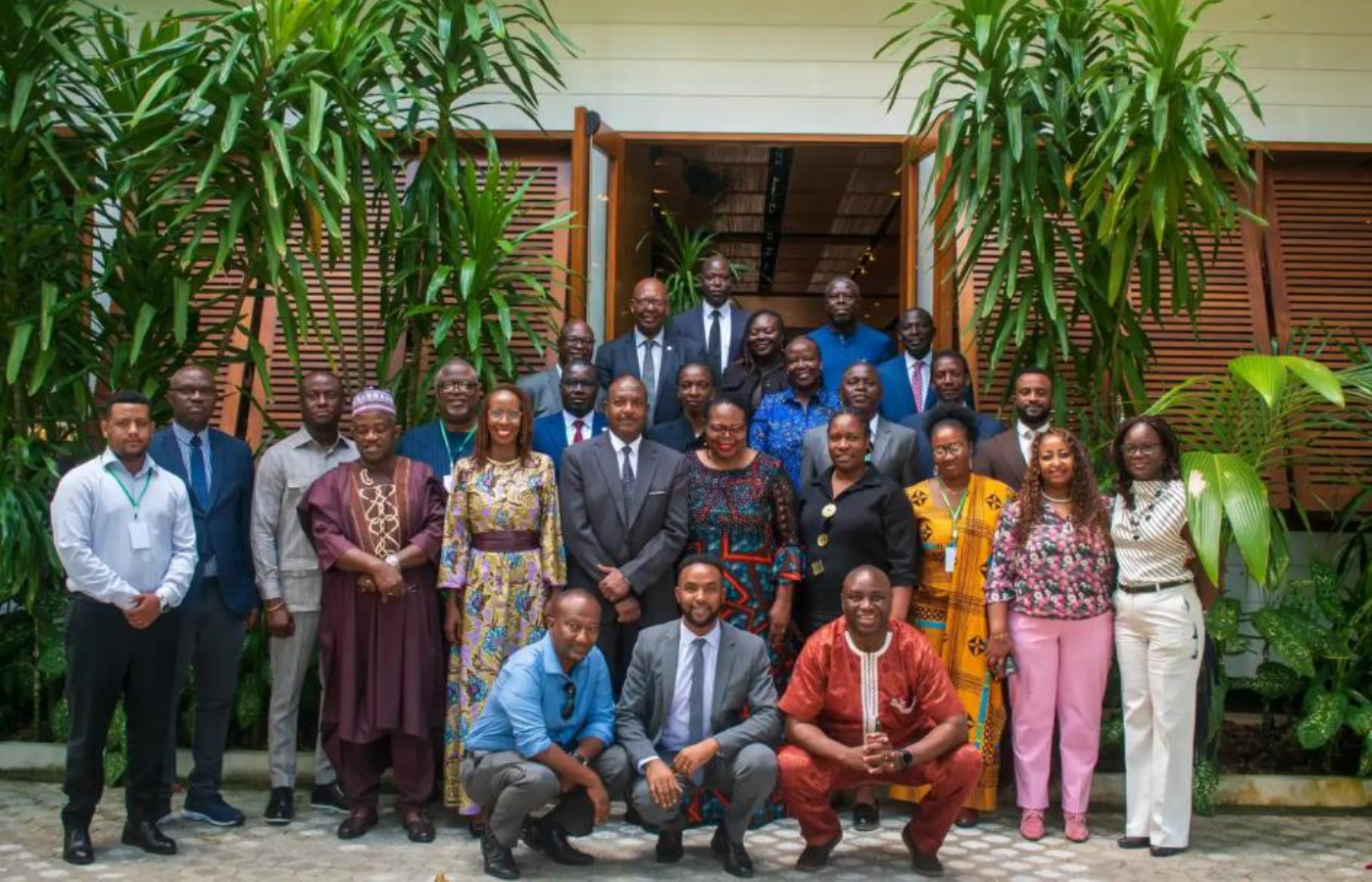
The launch followed a continental engagement held in Mahé, Seychelles between May 18 and May 19, 2026, where participants formally endorsed the Platform’s Terms of Reference and adopted a joint implementation plan covering 2026–2027.
That plan sets out priority areas including humanitarian diplomacy and advocacy, localisation of aid delivery, mobilisation of humanitarian financing, strengthening of the humanitarian–peace–development nexus, and improved documentation and accountability mechanisms for African-led responses.
The framework builds on earlier African Union decisions, including Assembly/AU/Dec.707(XXXI) and Executive Council Decision EX.CL/Dec.1282(XLVI), as well as outcomes from the Malabo Extraordinary Humanitarian Summit and pledging processes.
The engagement, held under the theme “From Commitment to Action: Operationalizing the Humanitarian Coordination Platform,” brought together representatives from multiple African Union departments, including health and humanitarian affairs, political affairs and peace and security, agriculture and environment, and gender and youth portfolios. It also included participation from AU organs such as the African Court on Human and Peoples’ Rights, the African Commission on Human and Peoples’ Rights, the African Committee of Experts on the Rights and Welfare of the Child, the African Peer Review Mechanism, ECOSOCC, and the Office of the AU Special Envoy on Women, Peace and Security. Regional Economic Communities including ECOWAS, IGAD, EAC, COMESA, ECCAS and CEN-SAD also took part.
A symbolic pledge-signing ceremony marked the close of the engagement, with delegates signing a commemorative board as a public expression of commitment to the new coordination framework.
The initiative comes against the backdrop of deepening humanitarian pressures across Africa, where more than 160 million people are in need of assistance and about 45 million have been forcibly displaced due to conflict, climate shocks, food insecurity and public health emergencies.
Despite the scale of need, only 26.7 percent of required humanitarian funding is currently met, leaving a significant gap that continues to constrain response efforts.
Officials involved in the process said fragmented approaches have reduced effectiveness and called for more structured and locally driven coordination systems.
The new platform is intended to function as a continent-wide framework to improve coherence, efficiency and predictability in humanitarian action, aligning with broader African Union development goals under Agenda 2063.




