

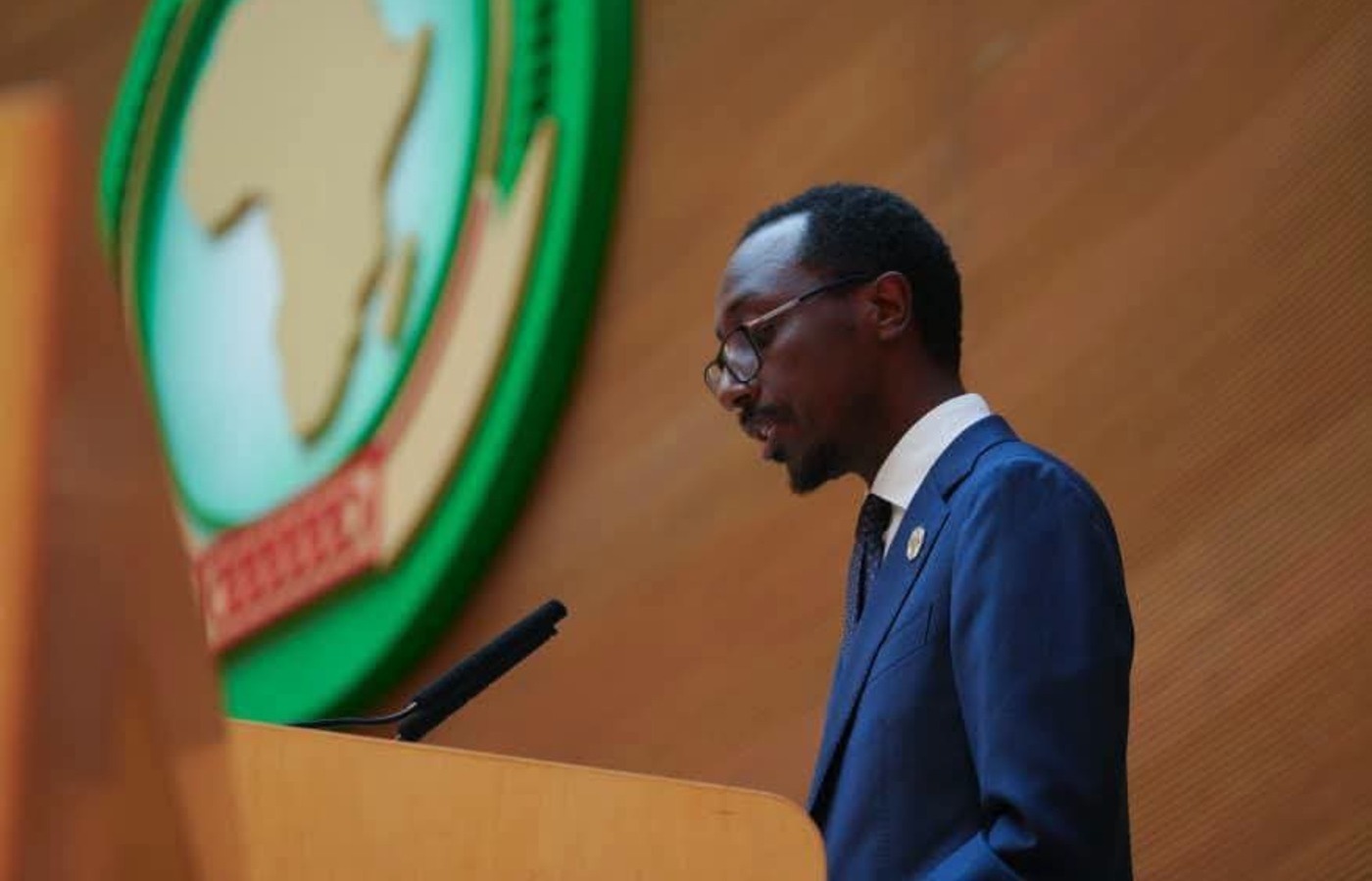
African Union foreign ministers opened the 49th Ordinary Session of the Executive Council in Addis Ababa on Monday, with Ethiopia calling on the bloc to position itself as a stronger strategic actor as shifting global power dynamics reshape international politics.
Opening the two-day meeting, Foreign Minister Gedion Timothewos (PhD) said Africa should use the current period of geopolitical change to strengthen its influence in global affairs, citing intensifying strategic competition, rapid technological change, climate pressures and growing competition over critical resources.
Gedion said the African Union should become a credible voice capable of advancing the continent's priorities while promoting African-led approaches to global challenges. He also called for a more sustainable and predictable financing mechanism for the bloc to support implementation of its decisions.
The Executive Council, which brings together foreign ministers from the African Union's 55 member states, is meeting under the 2026 AU theme focused on ensuring sustainable water supply and secure sanitation systems to advance the goals of Agenda 2063, the continent's long-term development blueprint.
The ministers are expected to review progress on implementing Agenda 2063, assess the status of African Union treaties and institutional frameworks, and discuss measures aimed at accelerating regional integration.
Gedion said Africa was home to eight of the world's ten fastest-growing economies in 2026 and reaffirmed Ethiopia's commitment to supporting the African Union and continental cooperation.
He also expressed solidarity with African countries affected by recent Ebola outbreaks and praised the Africa Centres for Disease Control and Prevention (Africa CDC) for its response efforts.
The opening session was attended by African Union Commission Chairperson Mahmoud Ali Youssouf, Executive Council Chair and Burundi Foreign Minister Albert Shingiro, Executive Secretary of the United Nations Economic Commission for Africa Claver Gatete, foreign ministers from member states, diplomats and other officials.
The Executive Council serves as one of the African Union's principal decision-making bodies, preparing policy recommendations and draft decisions for consideration by the Assembly of Heads of State and Government during the bloc's annual summit. The current session concludes on Tuesday.




