

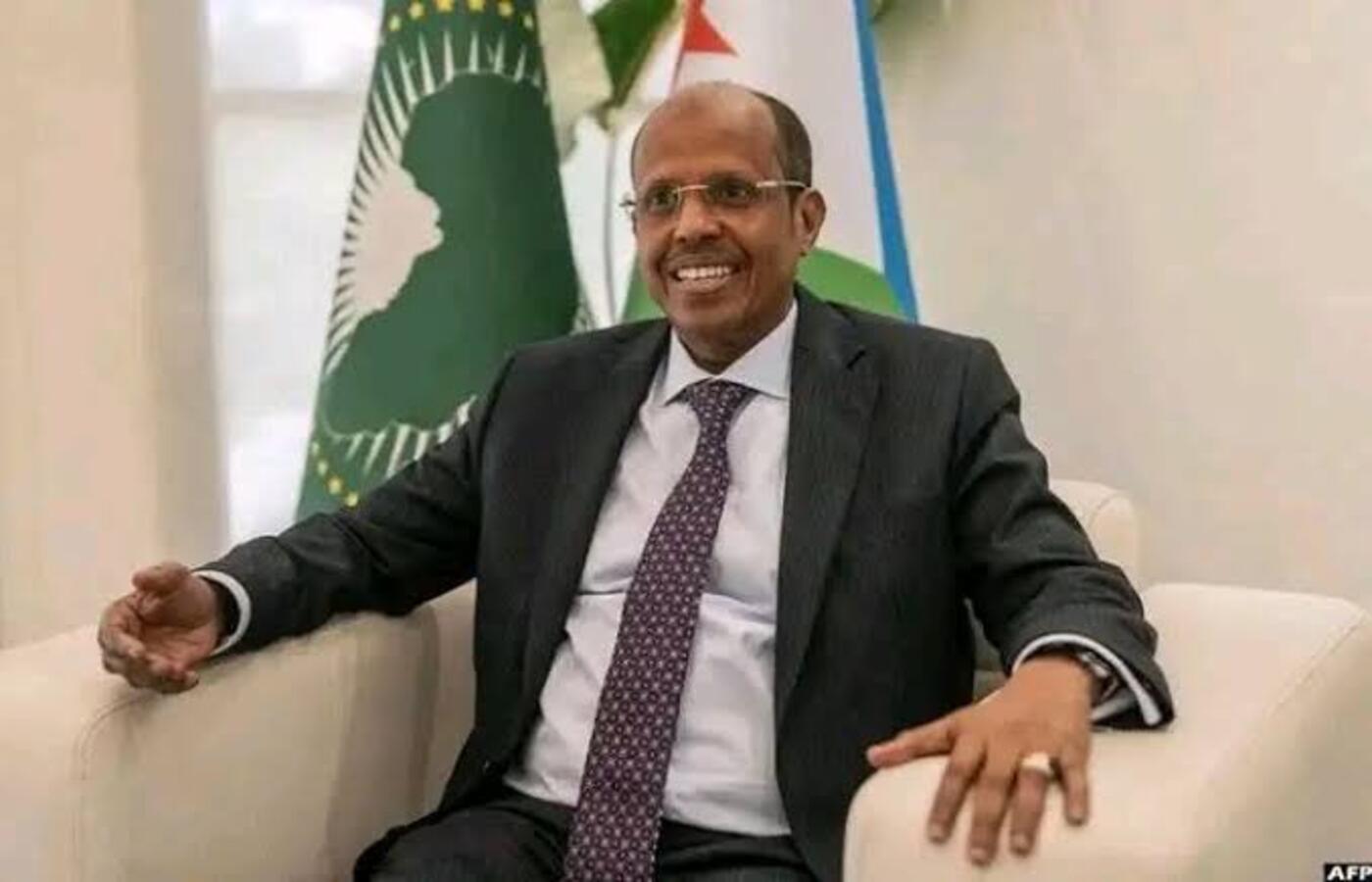
The African Union has warned that rising tensions in the Persian Gulf could disrupt global trade and energy markets, with potential knock-on effects for African economies reliant on stable shipping routes and oil prices.
In a statement issued on Monday, the chairperson of the African Union Commission, Mahmoud Ali Youssouf, said the commission was closely monitoring developments in the Persian Gulf following incidents targeting critical infrastructure, including energy and transport facilities.
Youssouf said the attacks had heightened regional tensions and posed risks to supply chains and international commerce. The disruptions, he added, could affect global energy markets and trade flows, with possible repercussions for African exporters and airlines operating in the region.
The commission condemned violations of international law, including actions that infringe on the sovereignty and territorial integrity of states, and called on all parties involved to exercise restraint and pursue dialogue in line with the principles of the United Nations Charter.
The Persian Gulf remains one of the world’s most important energy corridors, accounting for a significant share of global oil exports and hosting critical maritime routes used by cargo vessels travelling between Asia, Europe and Africa. Any disruption to the region’s infrastructure or shipping lanes can affect global supply chains, commodity prices and aviation routes.
The African Union said the situation could have direct implications for African economies through higher energy costs and trade disruptions. Exporters of perishables from the continent rely on stable transport links through the Middle East, while several African airlines operate routes that cross Gulf airspace.
The commission also said it was assessing potential risks to African nationals living and working in the region, including those in Iran and member states of the Gulf Cooperation Council.
Youssouf urged the protection of civilians and called for safe passage and support for foreign nationals, including Africans residing in the Middle East.
The commission said it would continue to monitor the situation as developments unfold.




