Despite having 33 instant payment systems, 346 payment-focused fintechs and 81.8 billion annual mobile money transactions, Africa continues to struggle with fragmented financial infrastructure and limited cross-border interoperability.
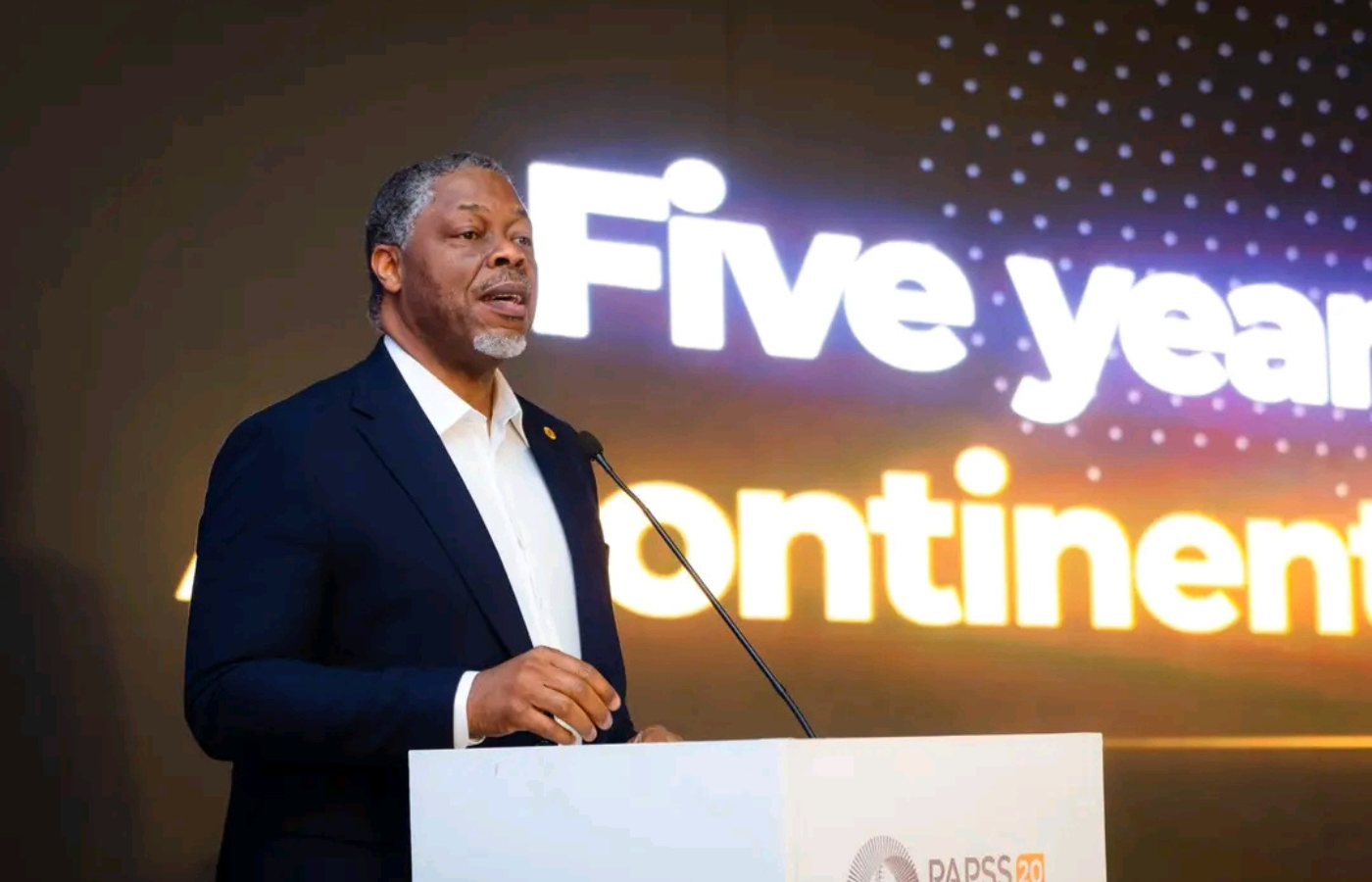
Africa’s fragmented financial infrastructure may pose a greater threat to the continent’s payment sovereignty than its dependence on foreign currencies, according to Mike Ogbalu III, Chief Executive Officer of the Pan-African Payment and Settlement System (PAPSS).
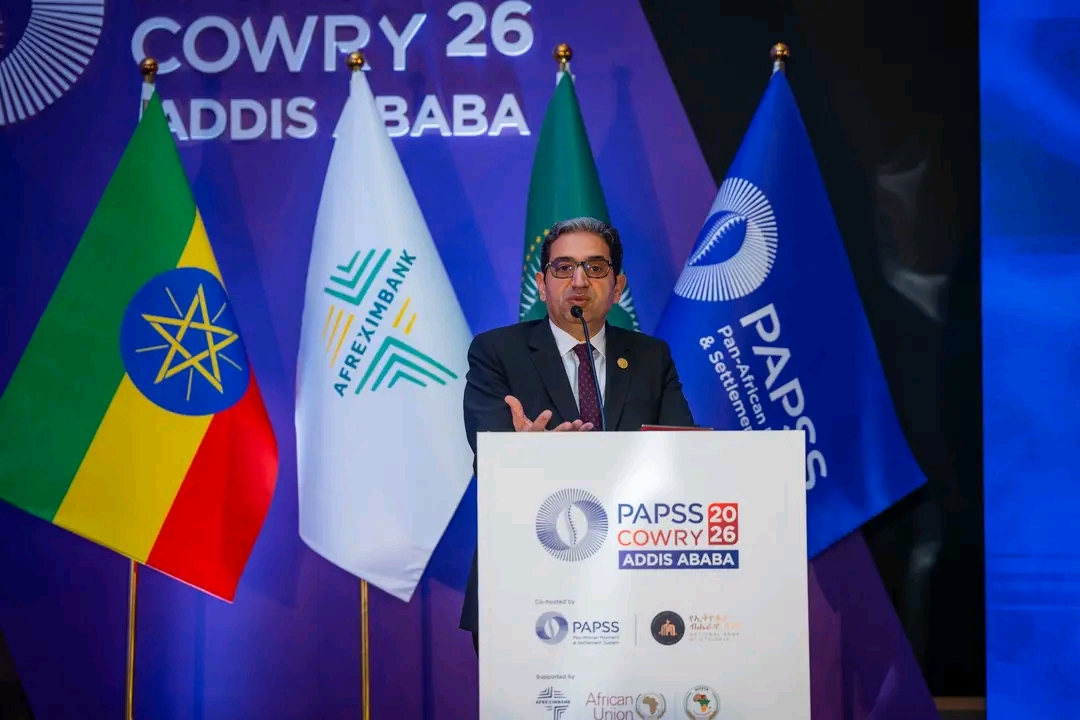
In a keynote presentation at the PAPSS COWRY Summit in Addis Ababa on November 26, 2026, Ogbalu challenged the conventional framing of Africa’s cross-border payment challenges, identifying limited interoperability and difficulties in scaling existing infrastructure as major obstacles to continental financial integration.
“Africa does not have a payments innovation problem. It has an interoperability and scaling problem,” his presentation stated.
“The greatest threat to African payment sovereignty may not be foreign dependency. It may be African fragmentation.”
The assessment comes despite significant growth in Africa’s digital financial services industry. The continent now has 33 instant payment systems and 346 payment-focused fintech companies, while mobile money platforms process 81.8 billion transactions annually, according to figures presented at the summit. Africa’s digital payments economy is projected to reach 1.5 trillion US dollars by 2030.
However, the proliferation of domestic and regional payment systems has not necessarily translated into seamless cross-border transactions.
African financial institutions continue to rely on international correspondent banking arrangements for many transactions between countries on the continent. Such arrangements can involve multiple currency conversions, intermediary institutions and settlement processes outside Africa.
Ogbalu questioned how much capital remains tied up in fragmented banking arrangements because financial institutions settle transactions individually rather than through interconnected networks.
His presentation identified three dimensions of payment sovereignty: the currencies used to settle transactions, the ownership and operation of payment infrastructure, and control over access to liquidity.
“Sovereignty without scale is expensive. Scale without sovereignty is dependent. Africa needs both,” the presentation stated.
The financial implications of the continent’s existing settlement arrangements remain substantial.
Haytham Elmaayergi, Executive Vice President of Global Trade Bank at the African Export-Import Bank (Afreximbank), told the same conference that Africa loses more than five billion US dollars annually settling its own trade in currencies originating outside the continent.
Intra-African trade grew by 5.5 percent to 213.8 billion US dollars in 2025, but accounted for only around 14 percent of Africa’s total trade.
Afreximbank reports that PAPSS has reduced transaction costs by between 92 and 95 percent, processing times by 99.99 percent and foreign exchange requirements by up to 80 percent for its users.
Between comparable periods in 2025 and 2026, transaction volumes processed through the platform increased by approximately 1,000 percent, while transaction values grew by 120 percent.
PAPSS has expanded its network to 31 African countries, connecting 24 central banks, more than 220 commercial banks and fintechs, and 17 payment switches. Strategic partnerships provide more than 300 additional payment termination points.
Around 10 countries, including Ethiopia, joined the network this year.
However, Ogbalu acknowledged that expanding institutional connectivity alone would not guarantee widespread adoption of the system.
“Connected is not the same as used,” his presentation stated.
From 2027 onwards, PAPSS intends to shift its focus towards increasing customer adoption, introducing additional payment capabilities and measuring the commercial impact of its infrastructure.
The platform plans to expand local-currency settlements under the Afreximbank Settlement Model in January 2027, introduce a developer portal and application programming interfaces during the first quarter, and roll out escrow solutions in the second quarter.
Afreximbank has also called on commercial banks to integrate PAPSS into their mobile and internet banking platforms, while announcing plans to open the network to direct participation by eligible licensed fintech companies, subject to regulatory approval.
The summit also addressed the emergence of stablecoins, central bank digital currencies and other forms of digital money, alongside the need to connect African payment infrastructure with global financial markets without further fragmenting the continent’s liquidity.