

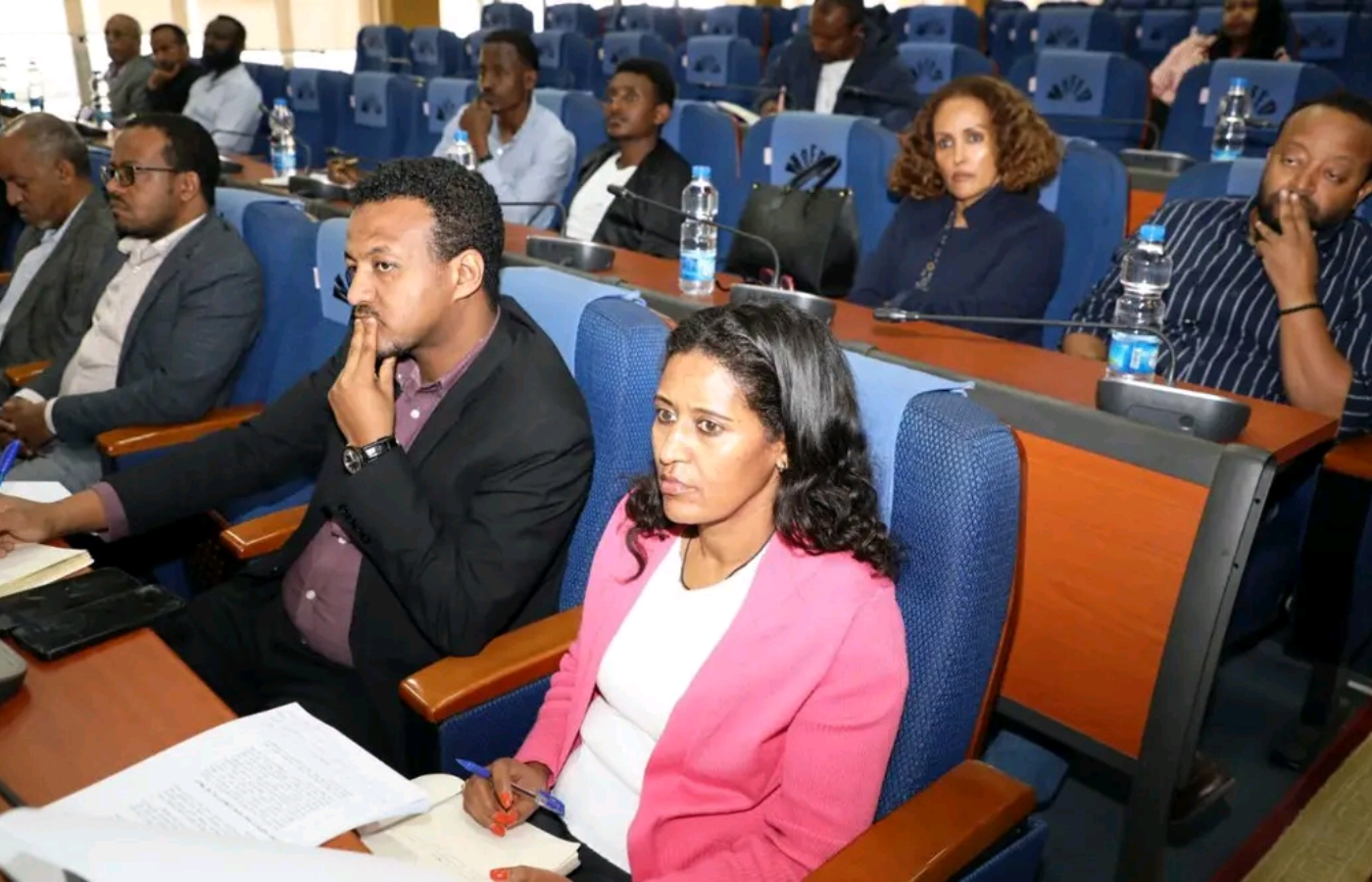
Representatives from agriculture, food and beverages, and telecom sectors have voiced concerns over their exclusion from the government’s newly amended draft investment promotion regulation, raising questions about sector coverage and clarity in the draft.
During a consultation meeting at the Ministry of Finance on Tuesday, representatives from major companies including Safaricom Ethiopia, East Africa Bottling ((a subsidiary of Coca-Cola Beverages Africa), and Heineken Ethiopia highlighted the economic and social significance of their sectors, warning that omission from tax incentives could affect investment and growth.
Dawit Fiseha, Safaricom Ethiopia’s representative, questioned the clarity of the draft regulation for the information technology sector. While the text identifies “information technology development” as a focus area, it does not specify whether telecom activities are included. Fintech services also remain in a grey area, with mobile financial services not explicitly referenced.
“It is unclear if mobile financial services fall under a related category,” Fiseha said. He added that the sole competitor could gain an advantage if telecom is formally recognised, while Safaricom Ethiopia was required to operate M-Pesa as a separate subsidiary, a condition not imposed on the rival.
The draft regulation currently provides tax incentives to sectors including leather and leather products outside special economic zones, chemical industries, basic pharmaceuticals, iron and steel (including machinery manufacturing), non-ferrous metal products, computer and electronics, electric equipment, transport vehicles and machinery, wood and paper products, agro-processing and packaging, information technology development, and electricity generation, transmission, and distribution.
Dawit Sahle, a representative from East Africa Bottling, Coca-Cola, stressed the importance of the food and drink sector amid rising living costs. “This sector is key for the country’s economy. Hence, we need special treatment,” he said.
Tirualem Mela, representing Heineken Ethiopia, echoed these concerns. “While the amendment aims to promote manufacturing and increase employment, it is unclear why food and drink manufacturing has been neglected in the draft,” she said.
The draft regulation introduces a major shift from tax holiday incentives to a mixed incentive framework, combining permanent reduced rates with expenditure-based incentives for priority sectors. Startups are included for the first time, eligible for reduced income tax rates of 5 percent for 10 years. The Ministry of Finance will be the sole authority granting tax exemptions, with firms required to apply for incentives through the Investment Commission.
Tewordos Zewdie, Executive Director of the Ethiopian Horticulture Producer Exporters Association, emphasised that sectors generating employment, foreign exchange, and economic value should not be neglected under tax incentives.
Mulay Weldu, head of the ministry’s tax policy department, said the move aligns Ethiopia with international standards and allows fair distribution between large and small businesses. “Ethiopia is the only country in sub-Saharan Africa that relies solely on tax holidays. Mixed incentives will allow us to distribute benefits more equitably,” he said.
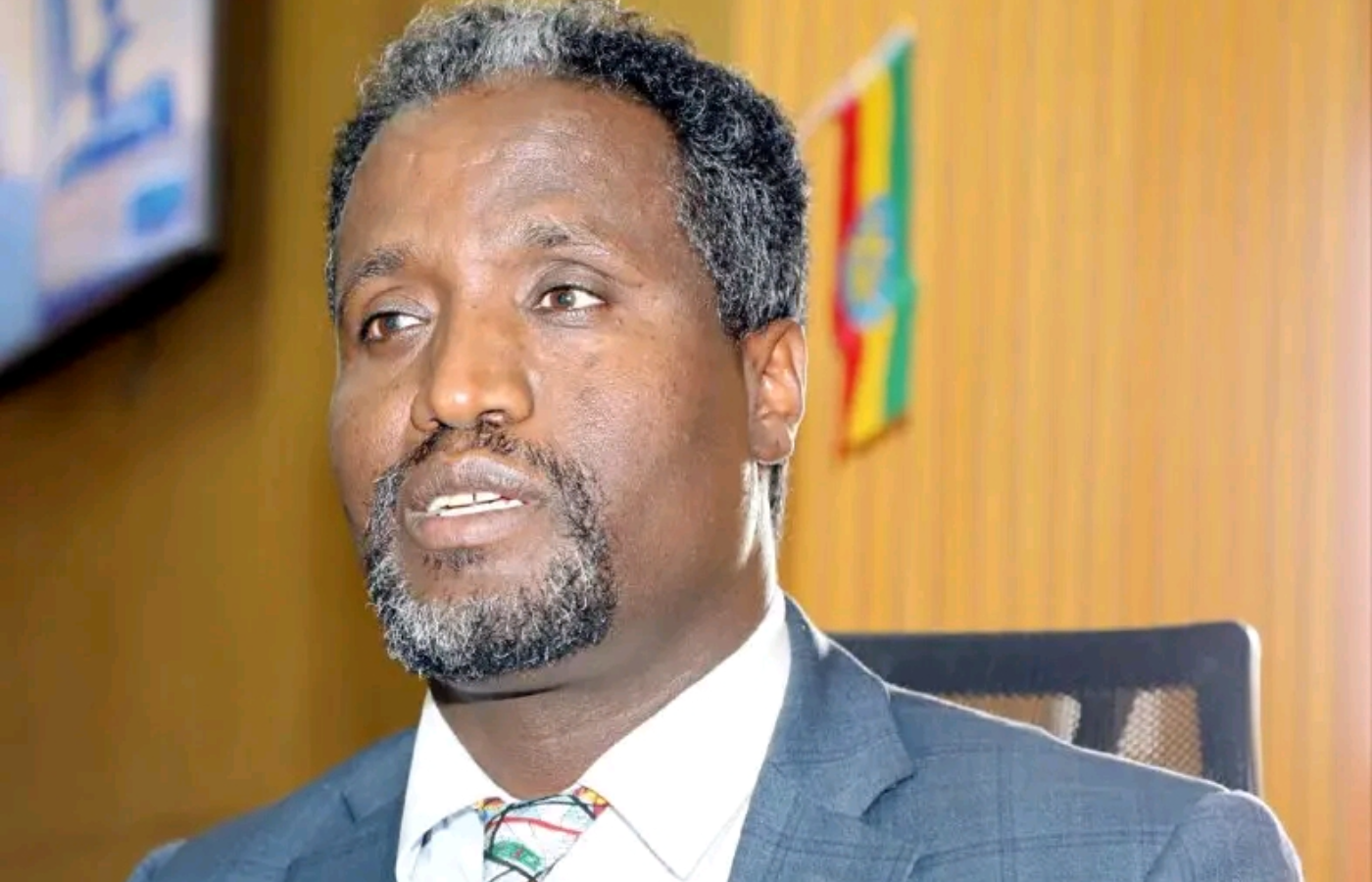
Mulaye said sector selection was based on the nature of the business and the government’s capacity to support it. “Take the food sector, for example. It serves a population of around 130 million. That demand alone is an incentive,” he said. However, he added that all sectors would benefit from incentives on the importation of capital goods.
officials said while agriculture sector is considered in the tax incentives, it will only target commercial farming rather than household farmers.
The regulation also limits the deductibility of interest expenses in business income tax to counteract debt bias, while retaining tax incentives due to the absence of non-tax advantages such as macroeconomic stability, developed infrastructure, political stability, and sufficient financial and institutional support. The Ministry has assessed the proposed incentives in partnership with the UK-based Institute for Fiscal Studies, finding the current tax holiday system unproductive.
Under the new draft, firms in special economic zones in Addis Ababa and Oromia would receive a 5 percent income tax reduction for 10 to 15 years, with post-incentive taxation according to standard business income tax rates. Equity holders would also benefit from tax exemptions for a limited period. Startups are eligible for reduced income tax rates of 5 percent for 10 years, while local security-focused and green energy firms can receive up to 15 percent reductions for a decade, subject to verification of energy usage and compliance with green energy standards.
Investors also raised concerns over the ambiguity of loss carry-forward provisions and capital allowance. “Telecom is one of the sectors that incurred losses in earlier periods, yet it isn’t covered under capital allowance,” Fiseha said. “The draft aims to support capital-intensive businesses, but telecom isn’t treated as such under the current regulation.”
Dawit Sahle also highlighted frustration over the absence of tax incentives for business expansion, underscoring the need for clarity and inclusion across critical sectors.




