

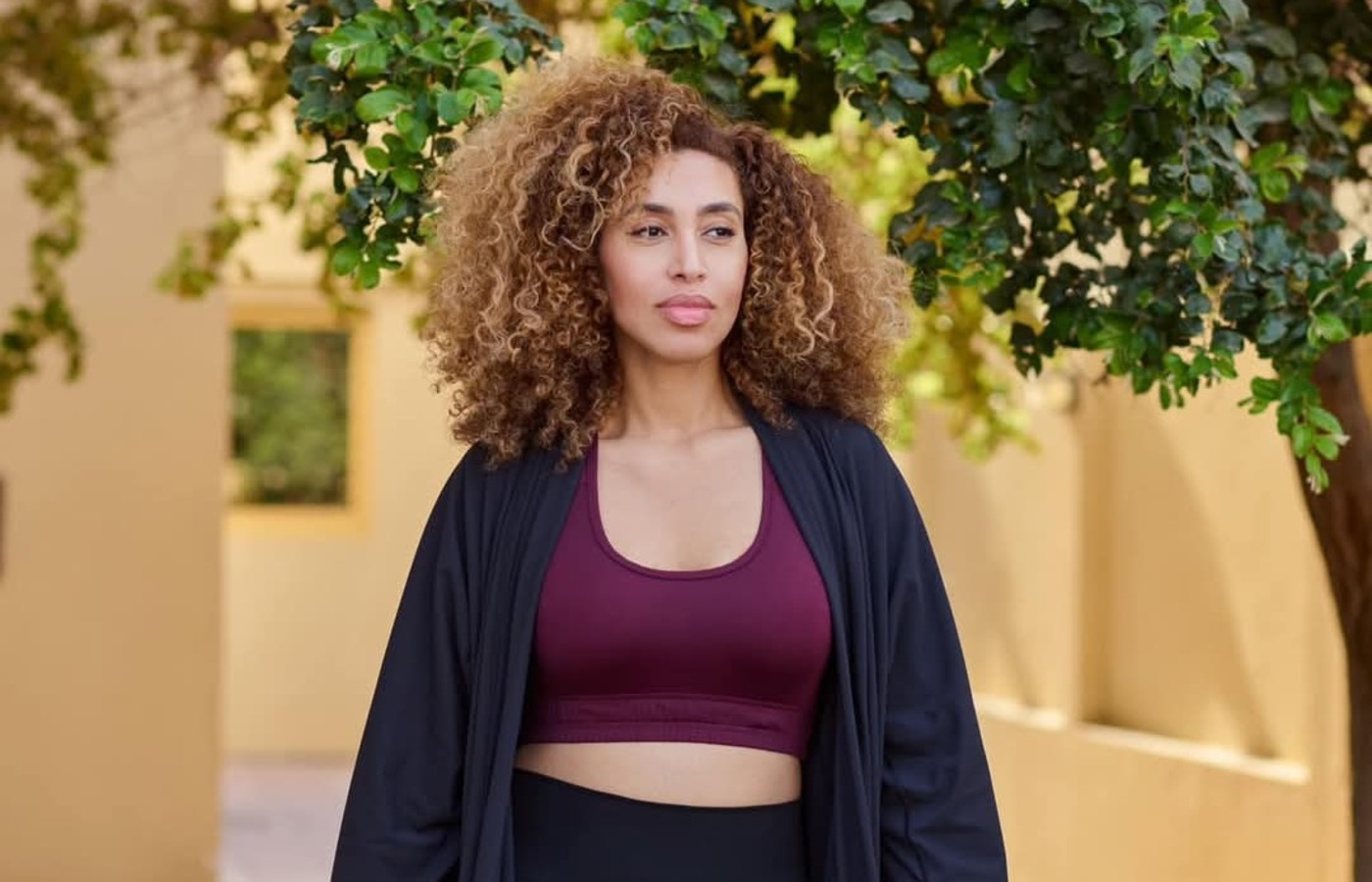
Kenassa Muluneh, a 32-year-old Ethiopian entrepreneur, has built a multimillion-dollar empire in fashion, textiles, and technology. Born in Dire Dawa and raised in the Netherlands, she originally pursued a career in medicine before shifting her focus to business. Today, her brand, MULU FASHION, caters to plus-size women across 10 countries, with a strong presence in the European and Middle Eastern markets. She also runs a textile factory in Pakistan and is expanding her investments into Ethiopia. In this interview with BirrMetrics, she shares insights into her journey, business philosophy, and future plans.
BirrMetrics: Let’s start by introducing you to our readers. How did you get into the business world?
My name is Kenassa Muluneh, and I was born in Dire Dawa. When I was a child, my parents and I moved to the Netherlands, where I grew up and pursued my education. Initially, I studied medicine, but while in college, I became interested in business. Digital marketing was expanding in Europe, and I started working with different organizations. That exposure gave me a new perspective, and I eventually decided to pursue business full-time.
How was it when you first entered the business world? What was your first venture, and how did it lead you to where you are now?
Even as a child, I was drawn to business and creativity. While studying in Amsterdam, I realized I had a passion for entrepreneurship. Working in the medical field made me understand that I wanted more control over my career and finances. Medicine is demanding, and I felt limited by the structure of traditional employment.
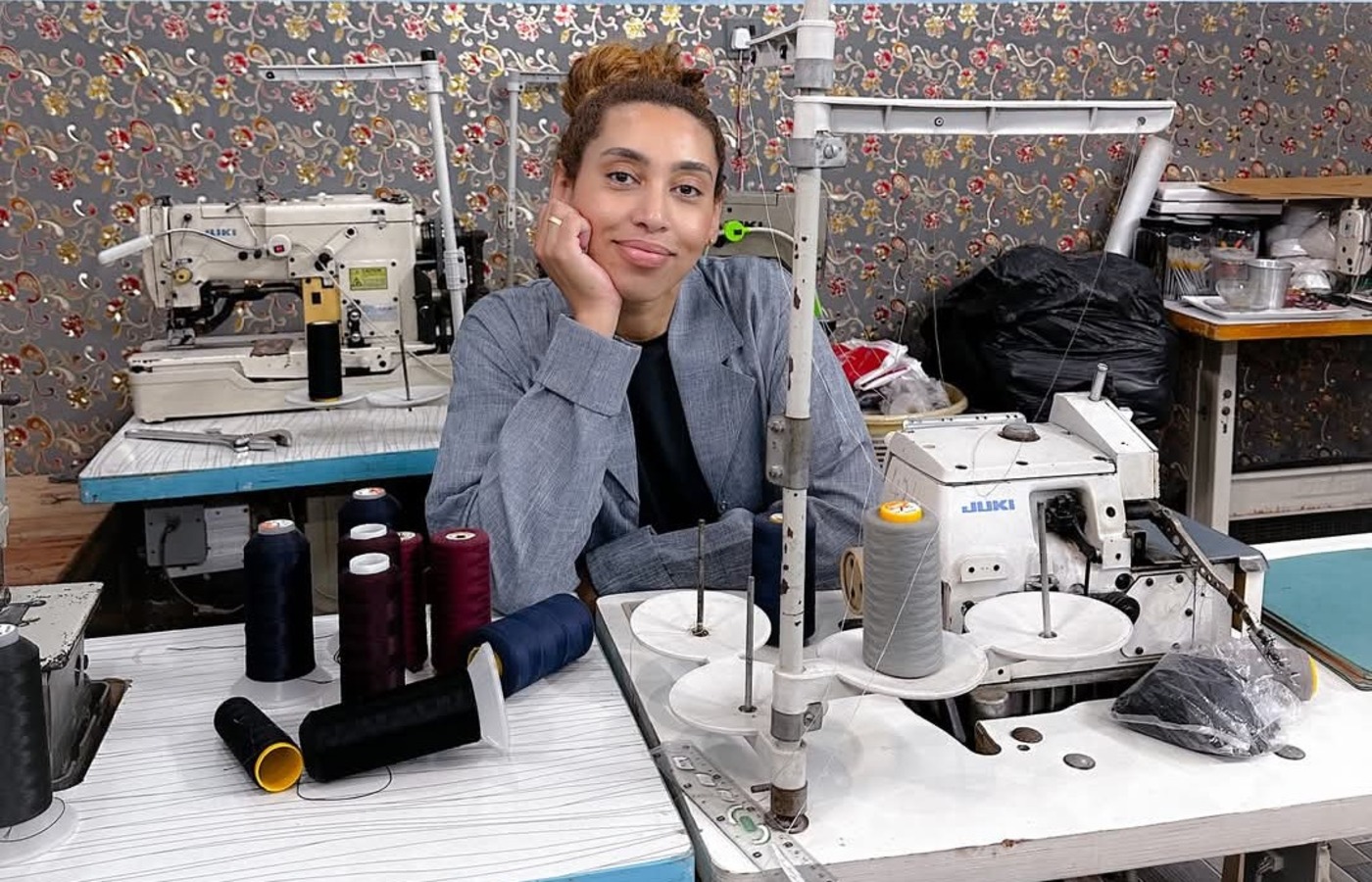
So, I focused on creating my own opportunities. In Europe, starting a business isn’t as difficult as in some places—you just need a clear vision. My first major venture was in textiles. I now own a textile factory in Pakistan, which is one of the leading companies in the sector there. We produce high-quality textiles for the local market and export to India and Bangladesh.
I also launched MULU FASHION, a brand specializing in plus-size women’s clothing. Fashion is not just about clothing; it’s an art form that reflects culture and identity. The industry is highly competitive, but with a strong brand identity, success is possible. My husband also has a business background, but I decided to take the lead in this sector.
We understand you’re also involved in technology investments, particularly in gaming. Can you tell us about your latest project in Ethiopia?
Yes, we are preparing to launch an online game called Adwa Game. It’s inspired by the Battle of Adwa and designed specifically for Ethiopian audiences. The game’s visuals and storyline reflect Ethiopian history, and it allows players to engage with historical themes in an interactive way.
Developing this game took years of research and collaboration with experts in artificial intelligence. It’s not just a business project—it’s about preserving history and making it accessible in a modern format. We’ve worked closely with Ethiopia’s technology sector, and the government has been supportive. We’re excited to bring it to market soon, and we’d love for BirrMetrics to join us at the launch.
You are expanding MULU FASHION into Ethiopia and other African markets. Given the economic challenges, do you believe there is enough demand?
I often hear concerns about market limitations in Africa, but I don’t agree with them. Our research shows a strong demand for fashion, particularly in the plus-size segment. The African Continental Free Trade Agreement is also opening new opportunities for cross-border trade, making it easier to introduce products to different markets.
Many people underestimate Africa’s purchasing power. The fashion industry is growing rapidly, and international brands are starting to recognize the potential here. My company is not just entering the market based on optimism—we made this decision based on thorough research. With 1.3 billion potential customers across Africa, the opportunity is huge.
Some critics argue that plus-size fashion is a niche market. How do you respond to that?
The global fashion industry has long ignored plus-size women. Finding stylish, well-fitting clothing remains a challenge for many. MULU FASHION fills that gap. We’ve positioned ourselves as a brand that understands and caters to this market.
This isn’t just about business—it’s about representation. Fashion influences how people see themselves. Many plus-size women struggle to find clothing that makes them feel confident. Our goal is to change that. Instead of seeing this as a niche, I see it as an untapped opportunity with significant potential.
Have you faced challenges expanding your brand into the Middle East and Western markets?
Of course. Every business faces resistance, especially when breaking into established markets. In some regions, cultural perceptions about body size influence fashion trends, and plus-size clothing is still underrepresented. However, attitudes are shifting. Women everywhere want stylish options that make them feel good.
We’ve also faced logistical and regulatory hurdles, especially during the pandemic. But despite these challenges, demand for our products has remained high. In fact, I believe plus-size fashion is becoming more mainstream because people are realizing that beauty comes in all sizes.
What are your thoughts on investment opportunities in Ethiopia? Do you see challenges in the business environment?
Ethiopia has enormous potential. The government actively encourages foreign investment, and there are many sectors with untapped opportunities. However, there are still structural challenges, particularly in supply chains and infrastructure.
For example, in the textile industry, sourcing quality raw materials locally can be difficult. Cotton and other essential supplies often need to be imported. The government needs to work on improving local production capabilities to make the sector more competitive.
The technology sector is another area with potential. The global economy is moving toward digital innovation, and Ethiopia needs to keep up. There have been some encouraging policy changes, but more needs to be done to create an environment where tech startups can thrive.
How has social media influenced your business strategy? Do you think fashion marketing requires a different approach than other industries?
Social media is a powerful tool, but many people misunderstand how to use it effectively. Having millions of followers doesn’t necessarily translate into business success. What matters is engagement and conversion.
For example, if I have two million followers but none of them buy my products, my social media strategy is failing. The key is to build a loyal community that trusts your brand. That’s why I provide training on social media marketing, especially for young entrepreneurs. Ethiopia has a growing digital economy, but there’s still a learning curve when it comes to leveraging social media for business.
The fashion industry, in particular, requires a visual and emotional connection with consumers. It’s not just about selling clothes—it’s about selling a lifestyle and a vision. That’s why content creation and storytelling are essential in fashion marketing.
Finally, what’s next for you? What are your future business and investment plans?
I see Ethiopia as my home, and I want to contribute to its development. In the coming years, I plan to expand MULU FASHION in the African market and explore more opportunities in textiles and technology.
Beyond that, I’m passionate about mentorship and education. I want to help young entrepreneurs navigate the business world and take advantage of the opportunities available to them. Ethiopia is at a turning point, and I believe that with the right mindset and investments, we can build a thriving economy.
Thank you for your time, and best of luck with your ventures.
Thank you! I appreciate the opportunity to share my journey with BirrMetrics.




