

The Ethiopian Fuel and Energy Authority has announced new measures to address fuel shortages and curb illicit trade, as officials disclosed significant losses across the country’s fuel supply chain.
The Authority last week introduced a technology-supported regulatory system aimed at improving oversight and ensuring more controlled fuel distribution. The move follows findings that billions of birr are lost annually to fuel theft, locally known as meshebb.
According to officials, the problem spans the entire supply chain, beginning from the Djibouti corridor and continuing through transportation routes to retail stations. Authorities report that fuel is siphoned from trucks during transit, while losses at retail level can reach up to 10 percent through practices such as “selling air,” where customers are charged for fuel not dispensed.
Destaw Mekuanent, director-general of the Authority, said the new system will allocate fuel based on criteria including the number of stations operated, storage capacity and dispensing infrastructure.
As part of the reforms, the Authority is installing sensors on fuel trucks to detect tampering during transport. At retail stations, a digital monitoring system is being deployed to track pump activity and fuel volumes dispensed in real time.
The government is also implementing a 40/20/40 fuel distribution formula, although detailed information on its structure and impact has not been disclosed.
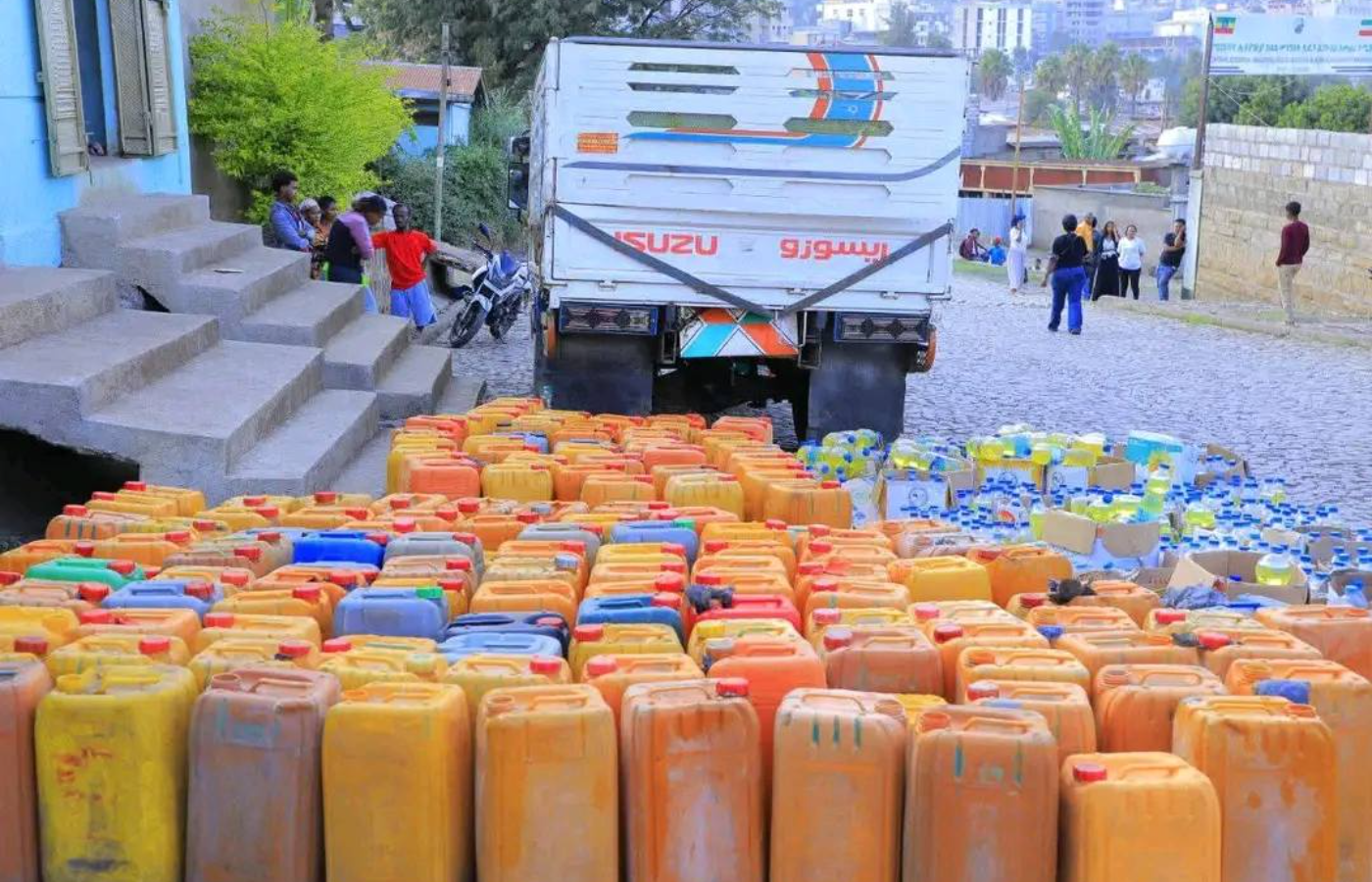
Enforcement actions have intensified in recent months. Over the past six months, authorities seized 1.2 million litres of fuel being transported illegally. Administrative penalties were imposed on 352 retail stations and 256 fuel trucks.
Despite these measures, officials acknowledge that losses remain substantial, contributing to ongoing fuel shortages in the country.
The Authority stated that the new regulatory system is expected to improve transparency and reduce leakages, though its effectiveness will depend on implementation and compliance across the sector.




