

- Will Tomorrow's Buyers Go Underground?
By Yared Seyoum
The floating of Ethiopia's currency, the birr, in late July 2024 sent ripples across the economy. What started as a controlled transition to a more market-determined exchange rate soon developed into sharper than expected depreciation in the following months. One sector hit particularly hard was the nascent electric vehicle industry, which saw rising import costs quickly translated into higher retail prices. With affordability taking a major blow, EV sales plummeted as many buyers postponed their purchase decisions.
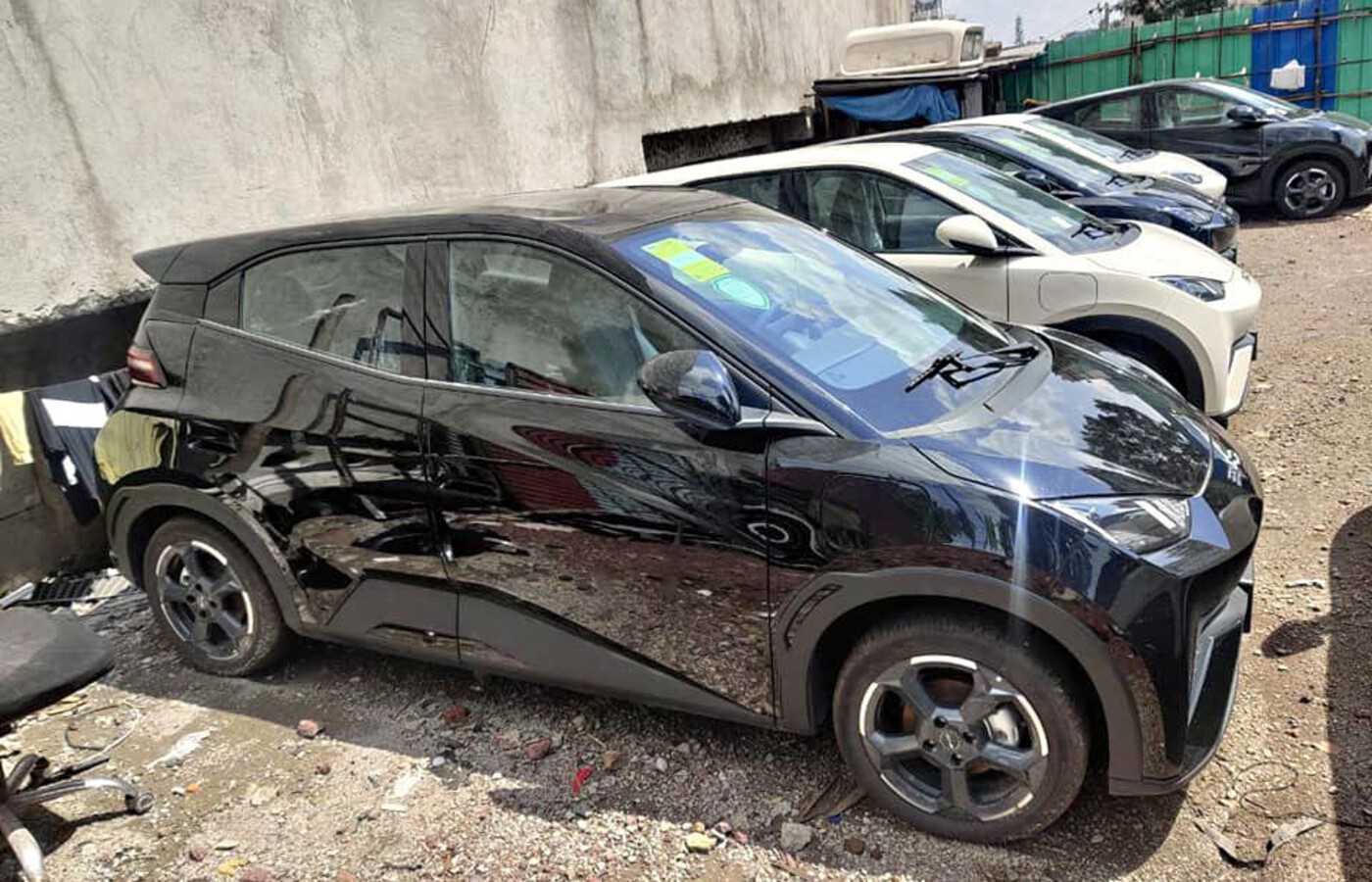
Tesfaye, a dealer in the Bole neighborhood, saw landed costs for its best-selling Seagull EV sedan jump 15-20 percent post-float. "With the Birr depreciating significantly against the dollar, import duties and other port charges calculated based on the customs value were much higher." Tesfaye said they had no choice but to raise retail prices to maintain margins. The base Seagull model, which previously retailed for 2.1 million Birr, saw its price tag surge to around 2.7 million Birr. The higher-spec versions faced even more substantial increases of 700,000 to one million Birr. "Many customers who put down deposits lost interest when we informed them of the new rates," he remarked.
Similarly, Toyota's EV BZ4 saw dollar-indexed costs balloon for its imported electric sedans and SUVs. The top-of-the-line BYD EV 4WD, previously priced at 6.5 million Birr, jumped to a new retail level of 7.8 million Birr. Even slightly used examples of EVs like Changan's EV faced markups of 10-20 percent from dealers taking advantage of the supply-demand imbalance.
Market insiders acknowledged price adjustments were inevitable. "No one anticipated such a large currency move. With a weakening Birr, someone had to bear the increased costs whether it's us, the government or customers," a dealer said. Dealers attribute much of the sharp inflation to currency impacts, but also adjustments to taxes and port charges following the float. Estimates indicate the duty on an 11,000 dollar BYD Seagull surged 87 percent - from 94,000 Birr to 176,550 Birr - at the new 107 Birr/USD exchange rate.
The abrupt price hikes stunned consumers and choked off fresh orders. According to dealers BirrMetrics spoke to, August electric car sales fell 70 percent month-on-month as affordability diminished rapidly. Alemayehu Debella, a civil engineer who was weighing an EV for his daily work commute, decided to hold off given the unexpected cost increases. "Even my salary lost significant value in real Birr terms post-float. Car loans also became harder to access with banks being more risk averse. I'll need to extend my savings target now."
Abenezer Mengistu, a broker with over seven years in the industry, believes pricing reaction has gone too far. "While some cost pass-through was warranted, percentage increases on certain models have exceeded what's reasonable. Dealers must share responsibility by limiting margins to support the nascent EV market."
He suggests tax authorities should also reconsider the duty structure following the float. "EVs previously enjoyed benefits to discourage imports of gasoline cars. But the currency change in effect canceled out those incentives through a much larger tax impact, which doesn't align with green goals." However, the Customs Authority maintains duties were lawfully applied based on evaluated import values.
Reduced sales velocity has created cash flow strains according to dealers. Tesfaye said 6-month payables to suppliers have increased pressure on working capital. "Showroom footfall is down by at least 50 percent. If buyers don't return and prices don't stabilize soon, some outlets may have to close up."
Another senior BYD dealer echoed the sentiment, requesting anonymity. "Our margins have shrunk while inventory carrying costs rise. There's a real risk of liquidity issues emerging within a few quarters if demand isn't rekindled."
Dealers realize restoring consumer confidence is critical to business continuity. Most are slowly rolling back prices or sweetening financing programs. For example, Tesfaye now offers a 60 percent credit arrangement for his buyers. That means buyers are expected to pay only 40 percent in cash. "Temporary relief measures are needed until the turbulences pass," affirmed Tesfaye.
The float sent the National Bank of Ethiopia (NBE) into action to curb volatility. It has allowed commercial banks to access 500 million dollars in liquidity support that was previously earmarked to be surrendered during the pegged regime.
According to central bank sources, around half has already been utilized to inject foreign currency into the market, helping narrow the gap between interbank and parallel rates. “Our goal is to smooth Birr fluctuations to single digits percent to limit shocks on trade and citizens,” said one official.
Monetary policy has also loosened slightly to ease bank lending cautiously. "Liquidity injection and moderate rate easing aims to provide a soft landing as the currency transition continues," added the source. Despite facing short-term difficulties, market players see potential opportunities emerging from the currency float over the longer-term.
According to Tesfaye, the strengthened import substitution regime could attract new automakers setting up local production and assembly. “Companies will gain confidence to invest seriously if exchange rate volatility remains limited. This creates job opportunities and expands choices for buyers.”
BYD has successfully entered the Kenyan market and recently announced its expansion into Rwanda. While BYD has not publicly stated intentions to invest in Ethiopia, the country is actively seeking foreign investment in its electric vehicle sector, especially following the recent economic reforms and the introduction of a floating exchange rate for the birr.
Sources at the Ethiopian Investment Commission said initial interest from various EV manufacturers to establish local manufacturing bases. "Chinese partners like BYD have done due diligence and may finalize investment plans within 12-18 months if stability endures," shared an official. “Ethiopia has advantages in affordable labor and a huge internal market. Over time, locally-produced EVs can beat imports on total cost,” outlined the official.
On the demand side, a stabilizing currency fosters more sustainable growth as prices become predictable for buyers and businesses alike. Finance sources note returning confidence in the Birr could expand the addressable customer base through increased lending activity. “Interest rate normalization combined with prudent provisioning may gradually bring car loans back within reach of urban professionals. This supports gradual demand recovery”, remarked one banker tracking the sector closely.
With strengthened macro fundamentals, experts expect the green premium of EVs to outweigh slightly higher ownership costs medium to long-term. According to Tesfaye, lower running expenses from cheaper domestic electricity relative to high gasoline taxes bolster the proposition. “EVs make commercial sense for urban commuters taking three to five-year ownership perspectives. As product options widen through local manufacturing, mass adoption is well within our sights,” he believed.
While the sharp birr depreciation shook up Ethiopia's nascent EV sector, interviews with various stakeholders indicate most remain optimistic about the future if stability can be restored. Short-term pains were inevitable with such a big currency change, but the government's responses have helped ease pressures, according to a dealer.
Industry insiders credit the central bank's liquidity measures and tightening of credit controls with helping to stabilize exchange rates following the initial volatility. If fundamentals continue strengthening and reforms push ahead, Ethiopia's electric dreams may yet achieve liftoff according to officials, who believe the currency float will prove a mere bump in the road, not a derailment, of the nation's clean mobility ambitions.
Despite the optimism however, there are concerning trends in the market.
As prices within Ethiopia rose significantly following the currency float, some buyers sought alternative sources for vehicles outside of official dealerships. An emerging gray market brought in cars from neighboring countries like Somaliland, Djibouti, and Kenya where prices had not increased due to the Birr's depreciation. These vehicles, often purchased used through informal brokers and imported across porous land borders, avoided the import duties that were inflating retail costs within Ethiopia.
Price in the underground imports is more than 50 percent cheaper. The surge in popularity of these much more affordable gray market imports, priced well below inflated domestic rates, threatens to severely undermine the formal auto sector if policymakers do not take action to address pricing issues and stability concerns, Tesfaye said. “The gray market poses a risk of significantly chipping away at the formal domestic industry,” he added.




