

Ethiopia has agreed to expand visa-free access for officials from Vietnam and Russia holding diplomatic and service passports, as part of a broader set of bilateral agreements reviewed by the Council of Ministers.
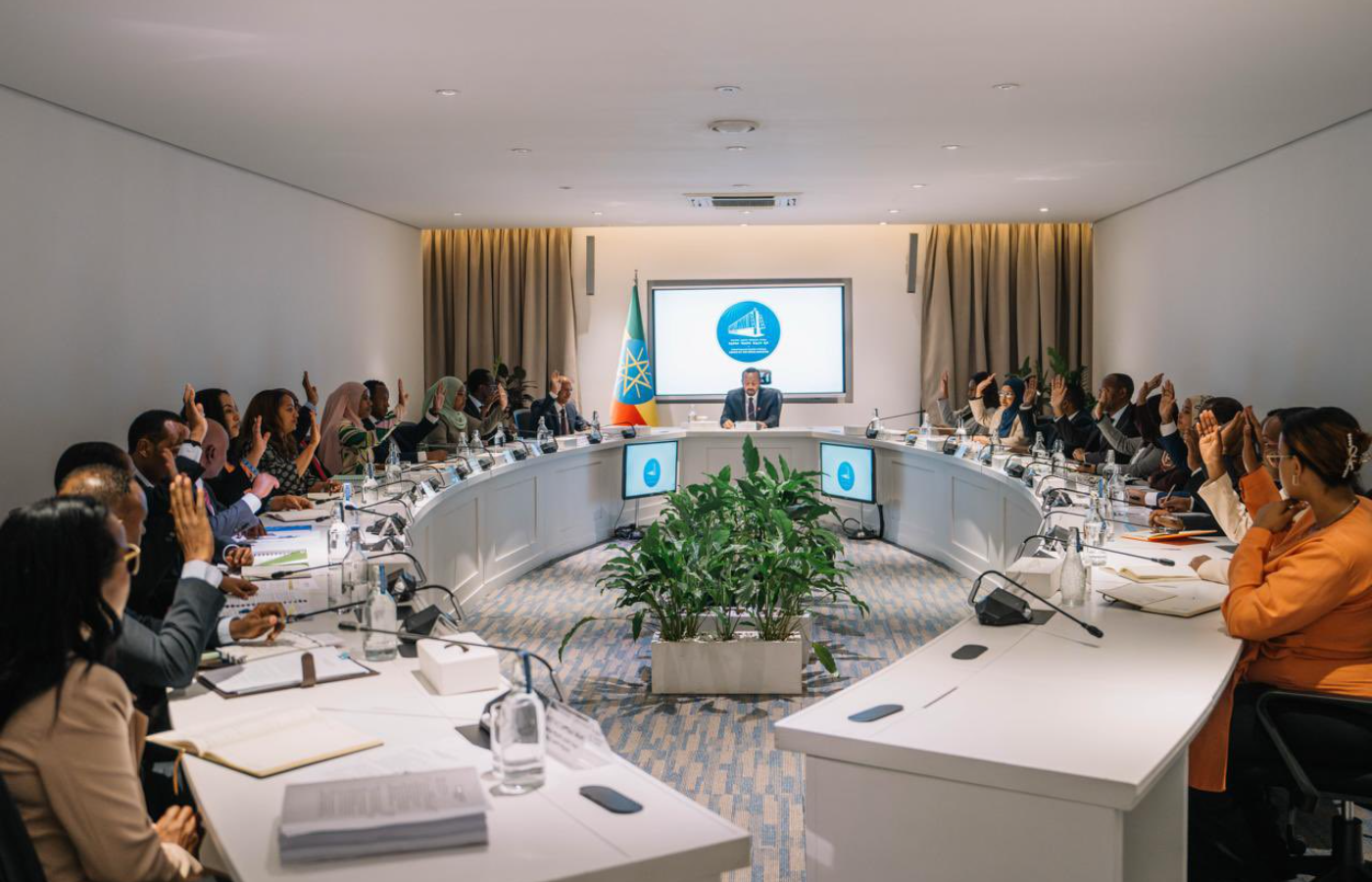
The decision was taken at the council’s 54th regular session, where ministers discussed multiple international cooperation frameworks spanning aviation, scientific research and mobility arrangements.
Under the visa exemption agreements, eligible officials from Vietnam and Russia will be able to travel without visas for official duties, a move the government said is intended to facilitate diplomatic engagement and institutional cooperation.
The agreements were part of a wider package of bilateral arrangements considered by the cabinet. These include plans to establish a joint biological research centre with Vietnam and Russia, aimed at strengthening scientific collaboration.
In parallel, the council reviewed four air service agreements with Eswatini, Angola, Bangladesh and Sierra Leone. The arrangements are expected to expand Ethiopia’s aviation connectivity, including new traffic rights for passenger and cargo operations, as well as potential code-sharing partnerships involving Ethiopian Airlines.
Officials said the aviation agreements are designed to enhance bilateral trade links, support tourism flows and widen market access for air transport services.
All agreements were approved by the council and will proceed to the relevant implementation and ratification processes.
Beyond the aviation and cooperation packages, the council advanced a broader set of financial, legal and investment measures.
It endorsed two external loan agreements worth a combined 190 million euros, to be submitted to the House of Peoples’ Representatives for ratification. The first, valued at 80 million euros, is from the French Development Agency to support economic reform programmes. The second is a 110 million euros loan from the European Investment Bank aimed at improving rural financial access.
Ministers said both financing arrangements are consistent with the country’s debt management framework.
The Council of Ministers also approved an investment incentive and protection agreement for a domestic urea fertiliser manufacturing and processing project, as the government seeks to expand local production and reduce reliance on imports.
According to the government, the initiative is intended to strengthen domestic fertiliser production capacity, reduce foreign currency outlays linked to imports and support broader agricultural productivity objectives.
The Ministry of Finance is expected to sign and implement the agreement, clearing the way for project execution under the approved framework.
Separately, the federal cabinet approved a draft proclamation on the protection of critical infrastructure from cyber threats. The proposed law seeks to strengthen safeguards for government digital systems and essential services by identifying key assets and establishing a regulatory system to manage cyber risks.




