

By Yared Seyoum
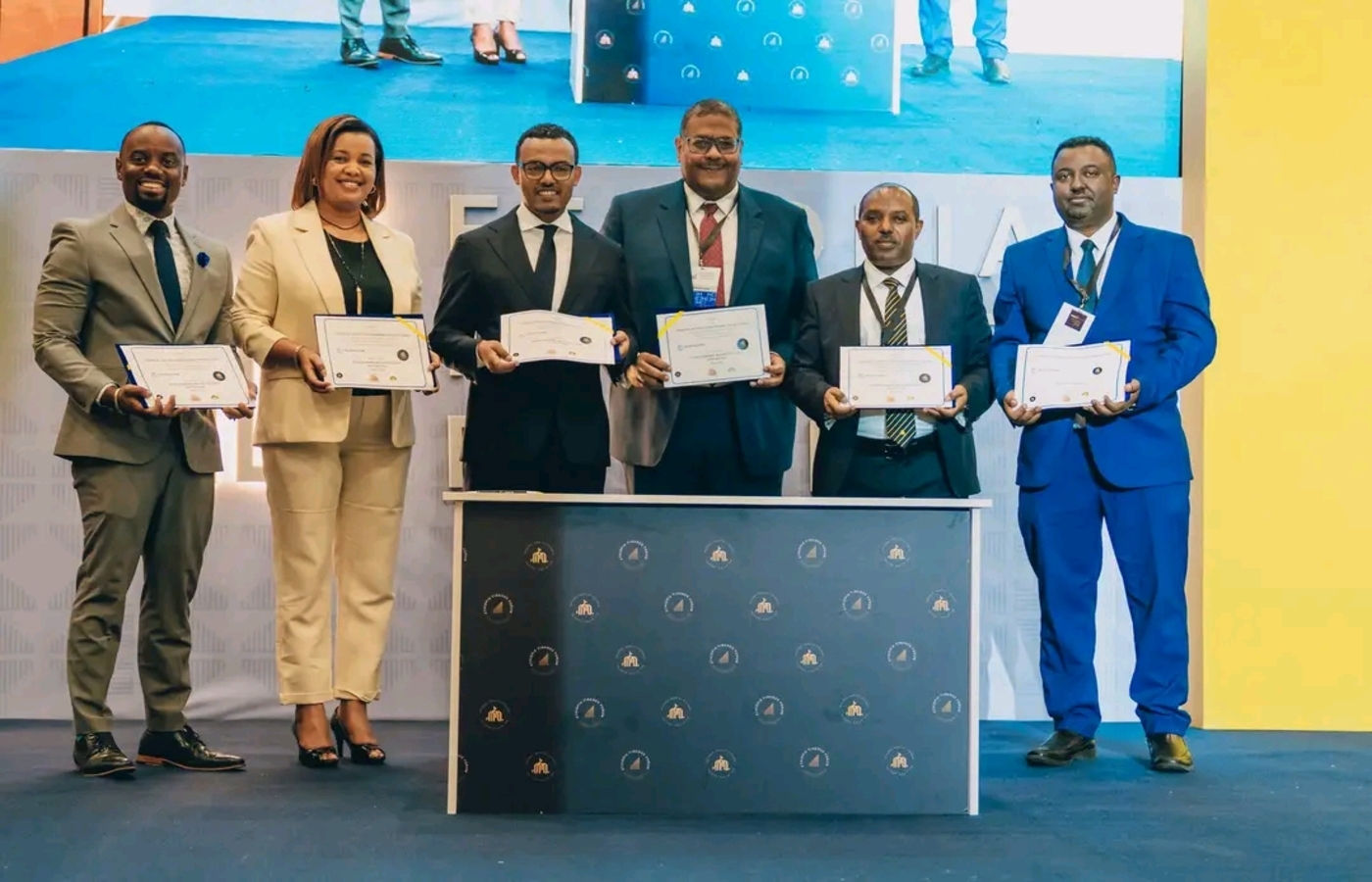
The Commercial Bank of Ethiopia (CBE) has received the first 250 million US dollars tranche of a 700 million US dollars Financial Sector Strengthening Project—an initiative launched by the National Bank of Ethiopia (NBE) to modernize the country’s banking system and bolster financial stability.
The funds, disbursed on May 15, 2025, will finance technical assistance, systems upgrades and capacity building at the NBE, CBE and the Development Bank of Ethiopia, with a view to improving credit allocation, risk management and overall governance in the sector.
The World Bank–financed programme is part of a broader reform push underpinned by Ethiopia’s recent IMF Extended Credit Facility (ECF) arrangement.
Since the IMF deal was approved in July 2024, official data show foreign exchange market functioning has improved markedly: foreign currency reserves have tripled, remittances are up by 25 percent, and export receipts have nearly doubled year-on-year providing vital liquidity after the birr floatation and underpinning confidence in ongoing reforms .
Broader financing landscape
Parallel to this 700 million US dollar project, the World Bank has pledged a total of 16.6 billion US dollars in support over three years, aimed at budget‐support operations, infrastructure finance and private‐sector development.
Of that package, a one billion US dollars grant and a 500 million US dollars concessional loan were formally approved on July 30, 2024 and the one billion US dollars portion was unlocked on the same day as the announcement, signaling strong commitment to fast-disbursing support.
Furthermore, the Bank has indicated it intends to deliver some seven billion US dollars more in new commitments over the next three fiscal years.
Debt‐restructuring and creditor engagement
On the sovereign‐debt front, Ethiopia in March 2025 reached an agreement-in-principle to restructure 8.4 billion US dollars of official-creditor loans—securing approximately 2.5 billion US dollars of debt service relief through extended maturities and reduced payments over the IMF programme period.
Negotiations continue with commercial bondholders of the lone one billion US dollars Eurobond, where authorities are seeking liquidity-focused adjustments rather than deep haircuts.
Taken together, the disbursement to CBE, the expanded World Bank financing package and forward pipeline, the IMF-led reforms’ boost to forex inflows, and the ongoing creditor-restructuring efforts form an interlocking matrix of support that could unlock over 25 billion US dollars of financing in the coming years fueling Ethiopia’s post-pandemic recovery and long-term growth ambitions.




