

Ethiopia currently receives just 22 percent of its diaspora remittances through formal channels, amounting to 7.2 billion US dollars, while the remaining 78 percent flows through informal networks, according to the Commercial Bank of Ethiopia (CBE). The shortfall restricts the country’s access to vital foreign currency.
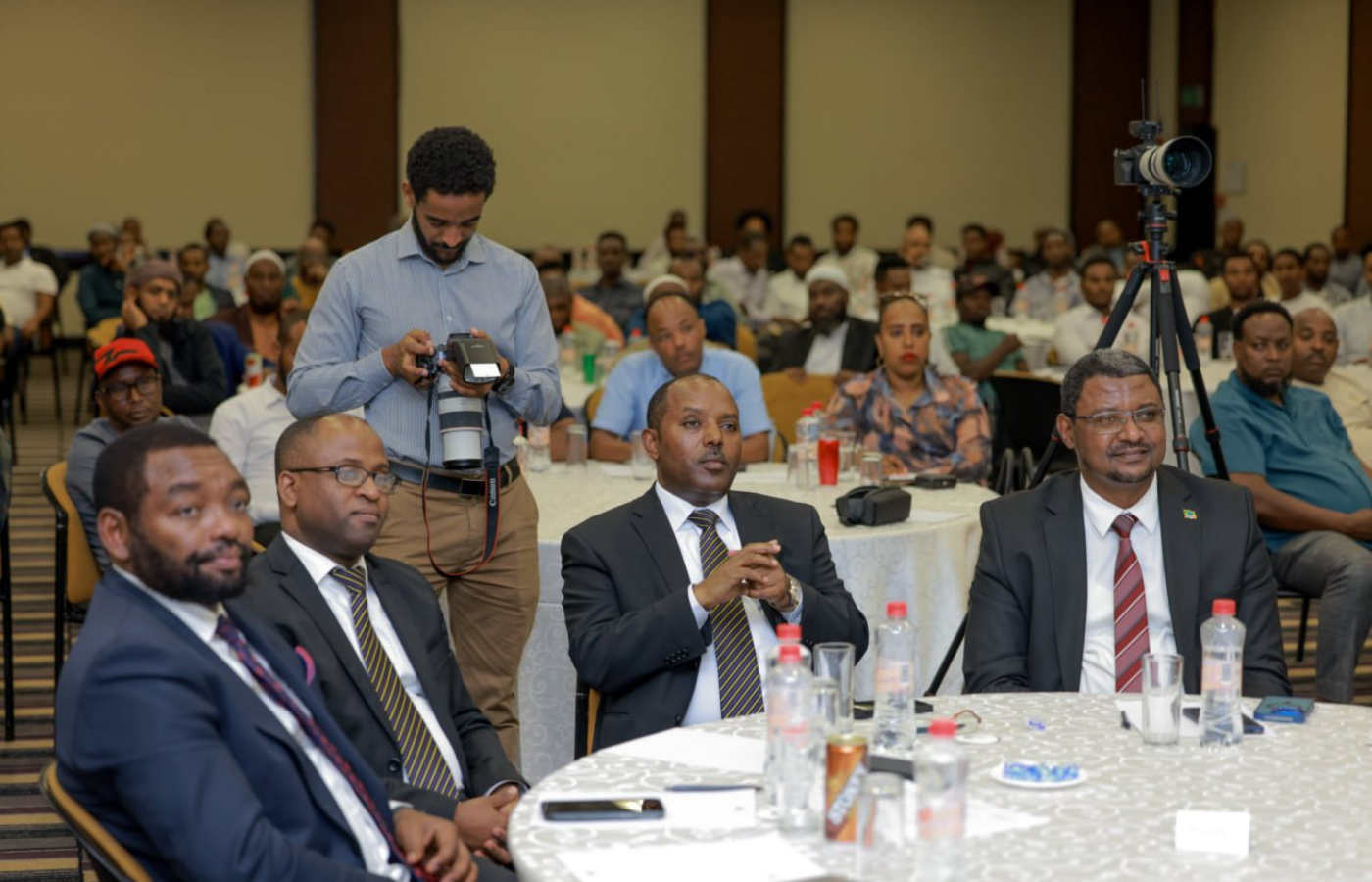
Speaking in Pretoria, South Africa, Abe Sano, president of the Commercial Bank of Ethiopia (CBE), addressed Ethiopians and second-generation diaspora members, saying that if all diaspora funds were channelled legally, the country could earn more than 35 billion US dollars annually. He urged the community to consolidate their unity and increase their contributions through legal mechanisms and investment initiatives, emphasising that the bank is committed to providing the necessary support to expand their participation.
The bank has already begun extensive reforms, including plans to mobilise 50 billion birr from the diaspora community in the 2025/26 Ethiopian financial year. Delil Kedir, Ethiopia’s ambassador to South Africa, highlighted CBE’s central role as a financial institution, pledging support for initiatives that increase formal remittance flows.
To reinforce these efforts, the National Bank of Ethiopia (NBE) recently issued warnings against unlicensed money transfer operators, stressing that all cross-border remittances must be conducted through regulated institutions. The measure seeks to curb illicit activity, including money laundering, and protect the integrity of Ethiopia’s financial system.
Remittances remain a critical source of foreign exchange, underpinning development projects and currency stability.




