

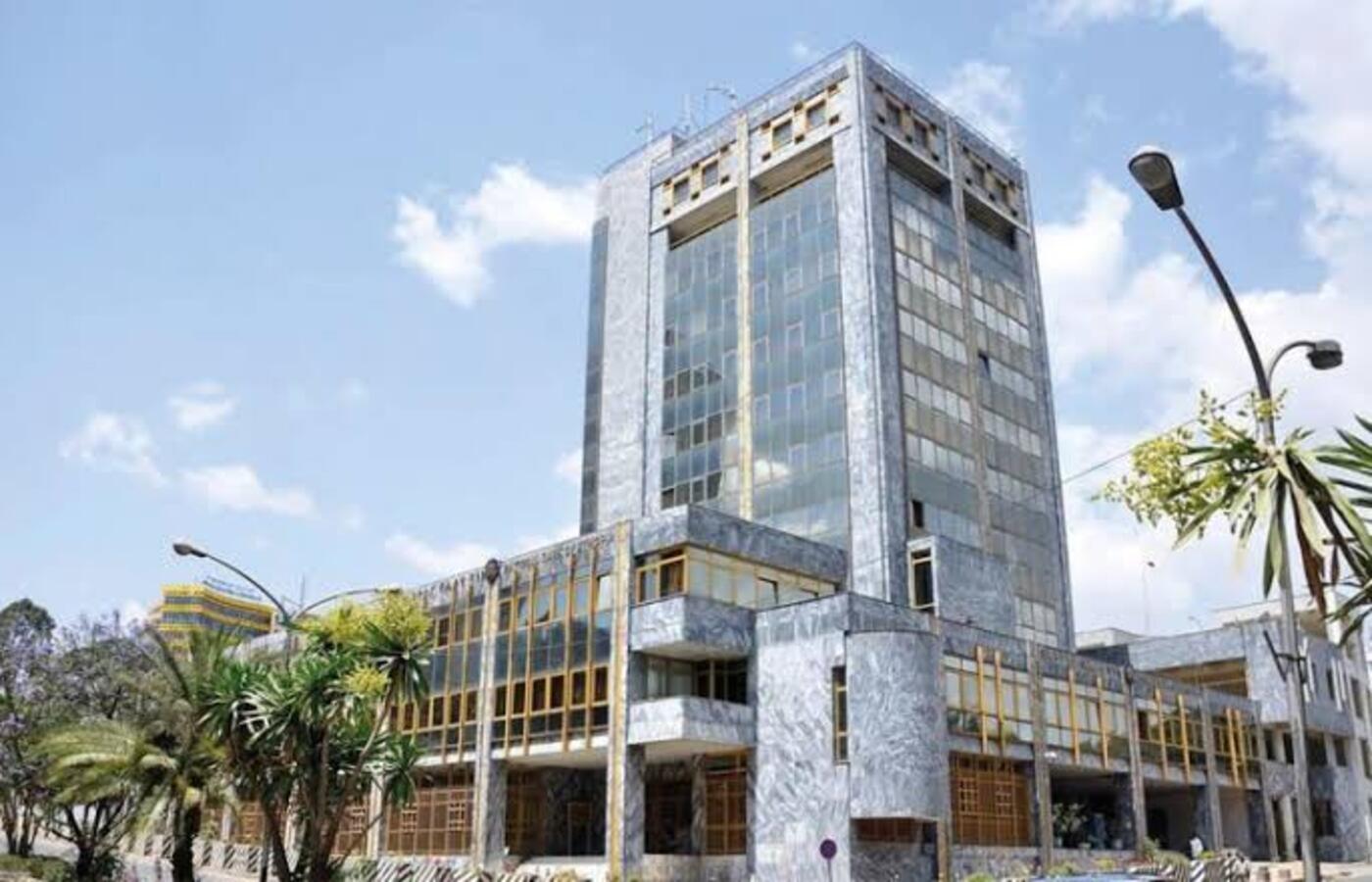
Ethiopia's central bank aims to deliver positive real interest rates by March 2025 and remove restrictions on private-sector lending by September, the International Monetary Fund said in its latest report on Ethiopia.
The National Bank of Ethiopia (NBE) will need to raise rates at upcoming policy meetings to meet its March deadline, the IMF said, with at least two rate decisions scheduled before then.
The planned elimination of credit growth caps by September 2025 represents a major shift toward market-based policies, though the IMF emphasized the need for careful sequencing and clear communication during the transition.
Currently, the cap limits commercial banks’ annual credit growth to 18 percent, a measure that, alongside daily withdrawal limits and cash-holding restrictions, has significantly reduced the circulation of local currency in the economy.
"Reaching a positive real monetary policy rate is a key step to build the credibility of
the new monetary policy framework and change market expectations for inflation and the
exchange rate,” the IMF said, recommending the use of six-month ahead inflation projections as a benchmark.
Inflation is projected to peak at around 25 percent in mid-to-late 2025 before gradually declining to single digits by 2028, IMF said. Central bank officials stress a data-driven strategy to navigate inflation uncertainty and liquidity constraints. Avoiding direct central bank financing of government spending remains "essential" for controlling inflation, the Fund said.
The reforms come as Ethiopia attempts to withstand possible repercussions of floating its currency six months ago, which led to the birr's depreciation by more than 100 percent against major foreign currencies.




