

By Yared Seyoum
Guangzhou-based automaker GAC introduces Aion electric models in Addis Ababa as Beijing looks to secure critical minerals for battery supply chains_
China is stepping up its electric vehicle (EV) engagement in Africa, with state-owned automaker Guangzhou Automobile Group (GAC) launching operations in Ethiopia and Beijing holding talks with Nigerian officials over access to key mineral resources used in battery manufacturing.
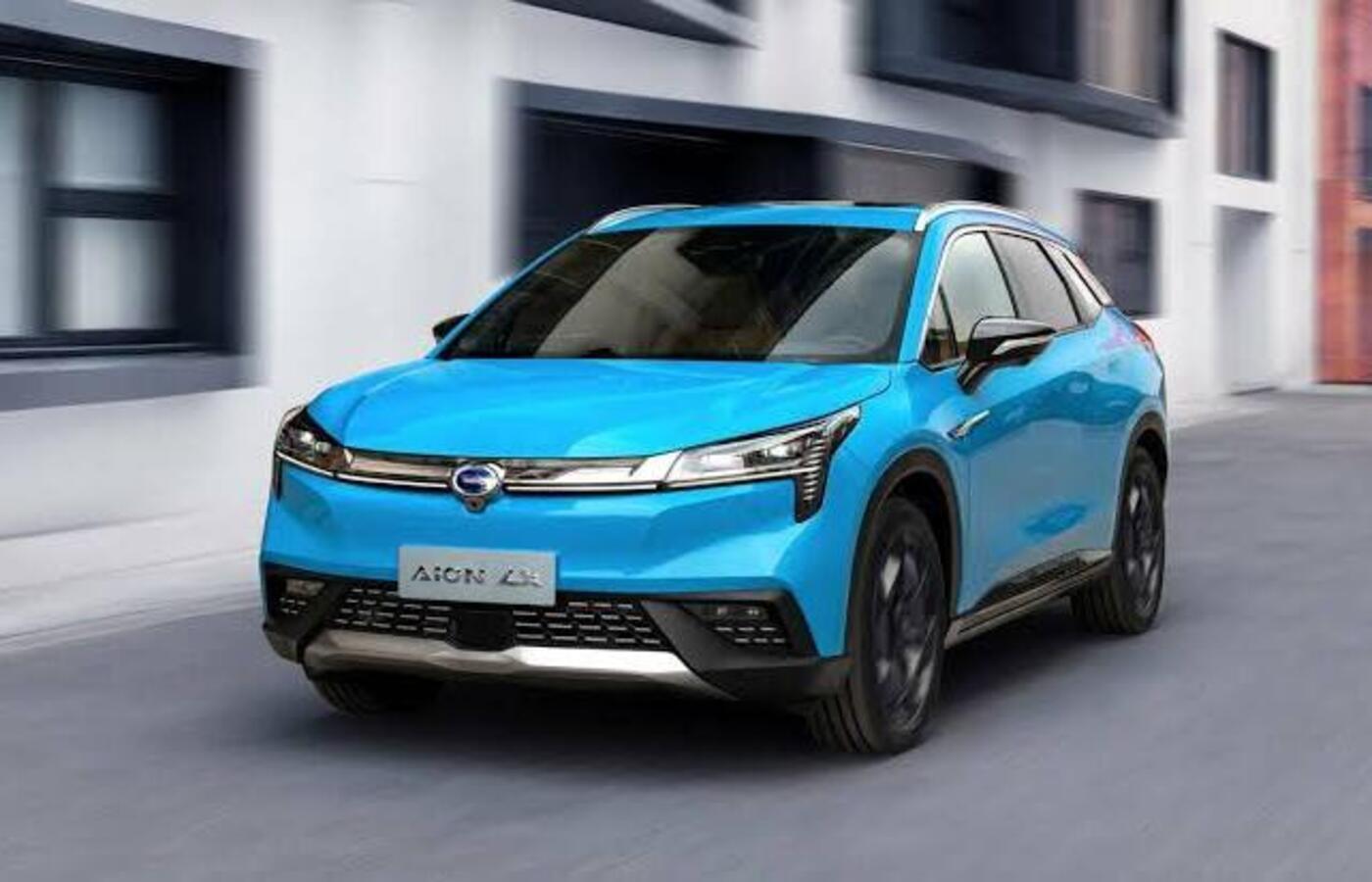
GAC, one of China’s largest carmakers, formally introduced its electric vehicle line-up in Ethiopia this week under its EV subsidiary Aion, which includes models such as the Aion S, Aion Y, and Aion LX. The move comes as Addis Ababa intensifies efforts to reduce fossil fuel dependency and modernise its transport sector with cleaner alternatives.
The launch was accompanied by the signing of a distribution and after-sales partnership with the Huajian Group, a Chinese manufacturing company with longstanding operations in Ethiopia. According to Ethiopian officials, the partnership is expected to include local assembly operations and technical knowledge transfer in the longer term.
Zeleke Temesgen, Commissioner of the Ethiopian Investment Commission, said the country had revised investment regulations in recent years to attract foreign manufacturers in sectors such as clean energy and mobility. GAC is targeting a 30 per cent share of Ethiopia’s nascent EV market by 2030.
GAC’s entry marks one of the most prominent attempts by a Chinese carmaker to establish an electric vehicle presence on the African continent, where infrastructure gaps and limited consumer purchasing power have so far restrained widespread EV adoption. However, government incentives, policy shifts, and high fuel prices have begun to shift the landscape in countries like Ethiopia.
Separately, in Nigeria, Chinese Ambassador Yu Dunhai met with Nigeria’s Minister of Solid Minerals Development, Dele Alake, to discuss expanded cooperation in the mining sector. Talks centred on the development of Nigeria’s underexplored reserves of lithium, cobalt, and nickel — minerals critical to EV battery manufacturing.
Nigeria is seeking to reduce its economic reliance on oil by developing its solid minerals sector. Several Chinese companies are already active in the country’s mining industry, although concerns over illegal operations and regulatory compliance persist.
Minister Alake acknowledged the scale of Chinese investment but urged stricter adherence to local regulations. He said enforcement actions had already been taken against non-compliant operators and called for greater cooperation in formalising the sector.
Both Ethiopia and Nigeria are participants in the Forum on China–Africa Cooperation (FOCAC), an economic and diplomatic platform through which China has pledged to expand industrial partnerships and support technology transfer across the continent. The recent moves also align with Beijing’s broader Belt and Road Initiative, which promotes infrastructure development and supply chain integration in emerging markets.
China’s pursuit of EV supply chains in Africa is part of a broader global strategy to secure access to raw materials and expand overseas markets for its growing electric vehicle industry. Chinese automakers, led by firms such as BYD, Nio, and GAC Aion, are increasingly looking beyond domestic sales as competition intensifies and global demand for low-emission transport rises.




