

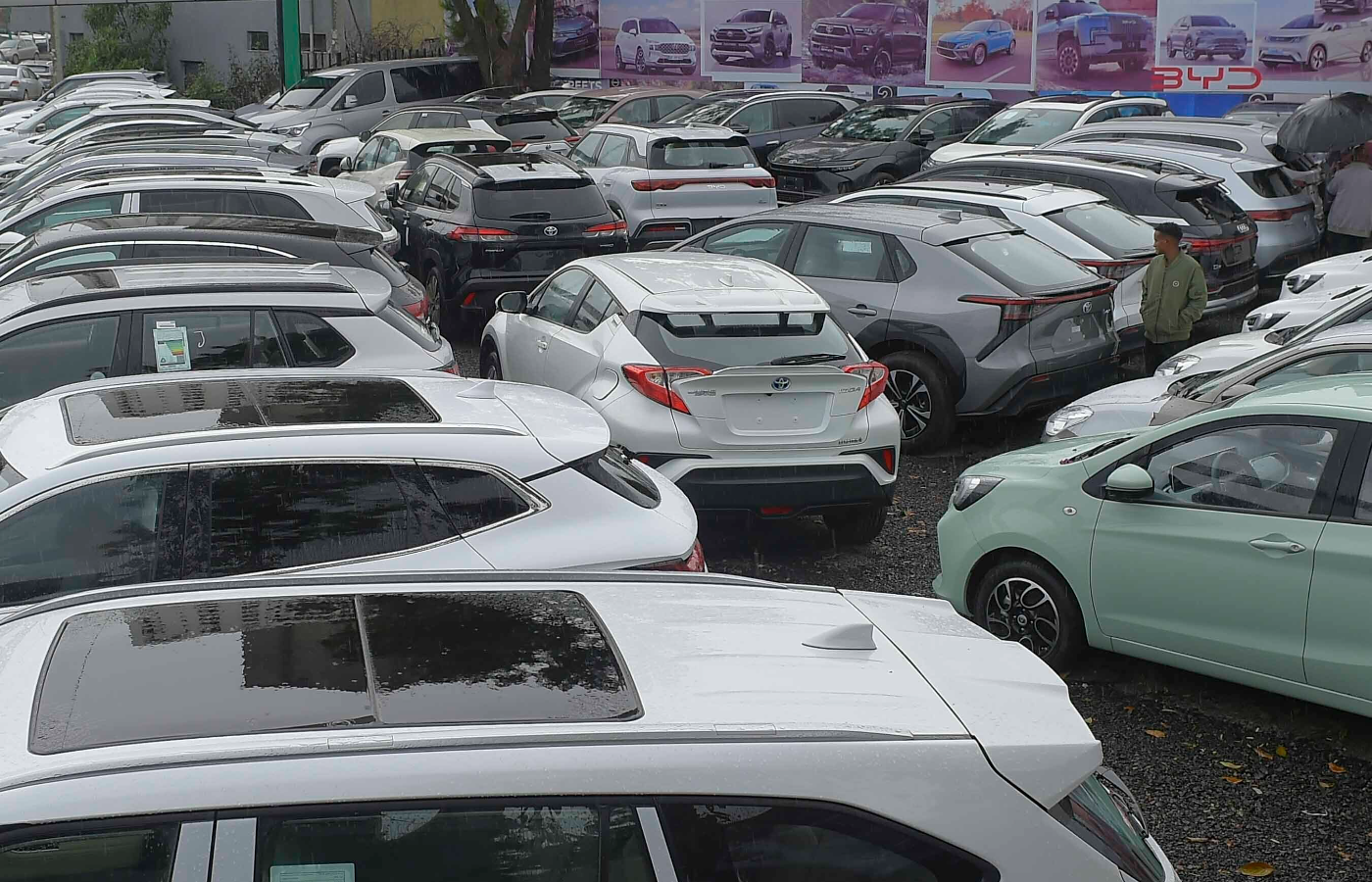
China is moving to tighten exports of “zero‑kilometre” used vehicles, a policy likely to reverberate across global markets heavily reliant on Chinese imports, including Ethiopia.
Starting January 1, 2026, vehicles registered for less than 180 days will require detailed manufacturer documentation to be exported. The rule targets a widespread practice where nearly new cars were sold as used to exploit regulatory loopholes and undercut prices abroad.
Analysts say the move will reduce the supply of discounted used vehicles, which form a significant portion of the export market. Countries with high dependence on Chinese imports for affordable cars, like Ethiopia, may see local prices rise as a result.
Industry players around Addis Ababa’s Gazebo and Bulgaria districts remain wary of the policy’s ramifications for the supply and pricing of Chinese vehicles, a market on which Ethiopia depended for 29 percent of its car imports in 2023, valued at 168 million US dollars. Japan follows with 27 percent and India with 26 percent.
“Many of the small and mid-range cars available in the grey market originate from China’s used-car sector,” said Getahun Sitotaw, Finance and Procurement Manager at Belayab Motors. “Because these vehicles are sold by exporters rather than their original producers, consumer costs are bound to rise.”
The policy also addresses quality concerns. Previously, zero‑kilometre cars often lacked full manufacturer warranties, leaving buyers abroad at risk. Under the new rules, exported vehicles must include an “After-Sales Service Confirmation Letter,” specifying service outlets and other details, ensuring greater transparency for foreign buyers.
“Beyond warranty issues, there were also genuine used cars imported as zero‑mileage,” said Ahmedin Mohammed, chief executive of O'clock Motors and president of Association Of Automotive And Sparepart Manufacturers. “I see it as a positive move, even for the Ethiopian market.” He added that it encourages consumers to purchase directly from producers through local import agents, ensuring warranties on batteries and spare parts. “Why buy processed cars when importers can partner directly with producers and pass on the benefits?” he said.
Compounding the challenge, experts note that Ethiopia’s regulations on electric vehicle imports discourage smaller importers, dampening both their appetite to participate and the overall supply of EVs in the market.
Following the ban on internal combustion engine imports, EV imports benefit from VAT, excise, and surtax exemptions, but customs duties have risen from 15 to around 20 percent. Importers must also secure permits and provide Certificates of Conformity, inspection reports, environmental compliance documents, and standard commercial paperwork.
Importers are also required to support EV infrastructure, such as charging stations, under the Electric Vehicle Charging System Directive, and must comply with strict technical and safety standards, particularly for batteries.
While these measures aim to boost EV adoption and reduce fossil-fuel dependence, rising duties and infrastructure obligations increase the initial cost and administrative burden for businesses entering the sector.
Ahmedin said the directives and regulations strengthen the credibility of importers, providing stability in a previously volatile market. “We used to operate in a system where a car importer could easily switch to another business because there were no legal safeguards,” Ahmedin told Birrmetrics. “Such experiences are uncommon in other countries.”
He added that small businesses can participate in the system by partnering with established companies, sharing responsibilities to meet infrastructure and regulatory requirements.
Getahun said the directives are unlikely to challenge established companies, which can benefit from importing directly from producers. “However, small businesses that rely on traders for imports are likely to face greater challenges,” he told Birrmetrics.
Experts warn that because established import companies are limited in number and many smaller businesses struggle to meet the new standards, the supply of electric vehicles in Ethiopia is likely to decline, pushing prices higher. Industry analysts note that the Ethiopian automotive market has long relied on the grey market, which has traditionally helped keep vehicle prices affordable for consumers.
China’s crackdown forms part of a broader effort to restore order in the used-car export market and protect its international reputation. Observers expect the most immediate effect on markets heavily reliant on Chinese used vehicles, particularly small and mid-range models.




