As coffee prices reach dizzying new heights on international markets, Ethiopian farmers are cautiously optimistic that the unprecedented price surge could provide a much-needed boost to their livelihoods.
Arabica coffee futures have skyrocketed more than 80 percent this year, hitting a record high of 3.4570 US dollars per pound on Tuesday. The price spike is driven by a global supply crunch, with major trader Volcafe Ltd. sharply cutting its production forecast for Brazil due to a devastating drought.
Volcafe now expects Brazil, which accounts for over 40 percent of global arabica output, to harvest just 34.4 million bags in the upcoming season - a staggering 11 million bag reduction from its previous estimate. This supply shortfall, combined with concerns about smaller crops in other key origins like Vietnam, has raised the specter of an unprecedented fifth consecutive year of global coffee deficits.
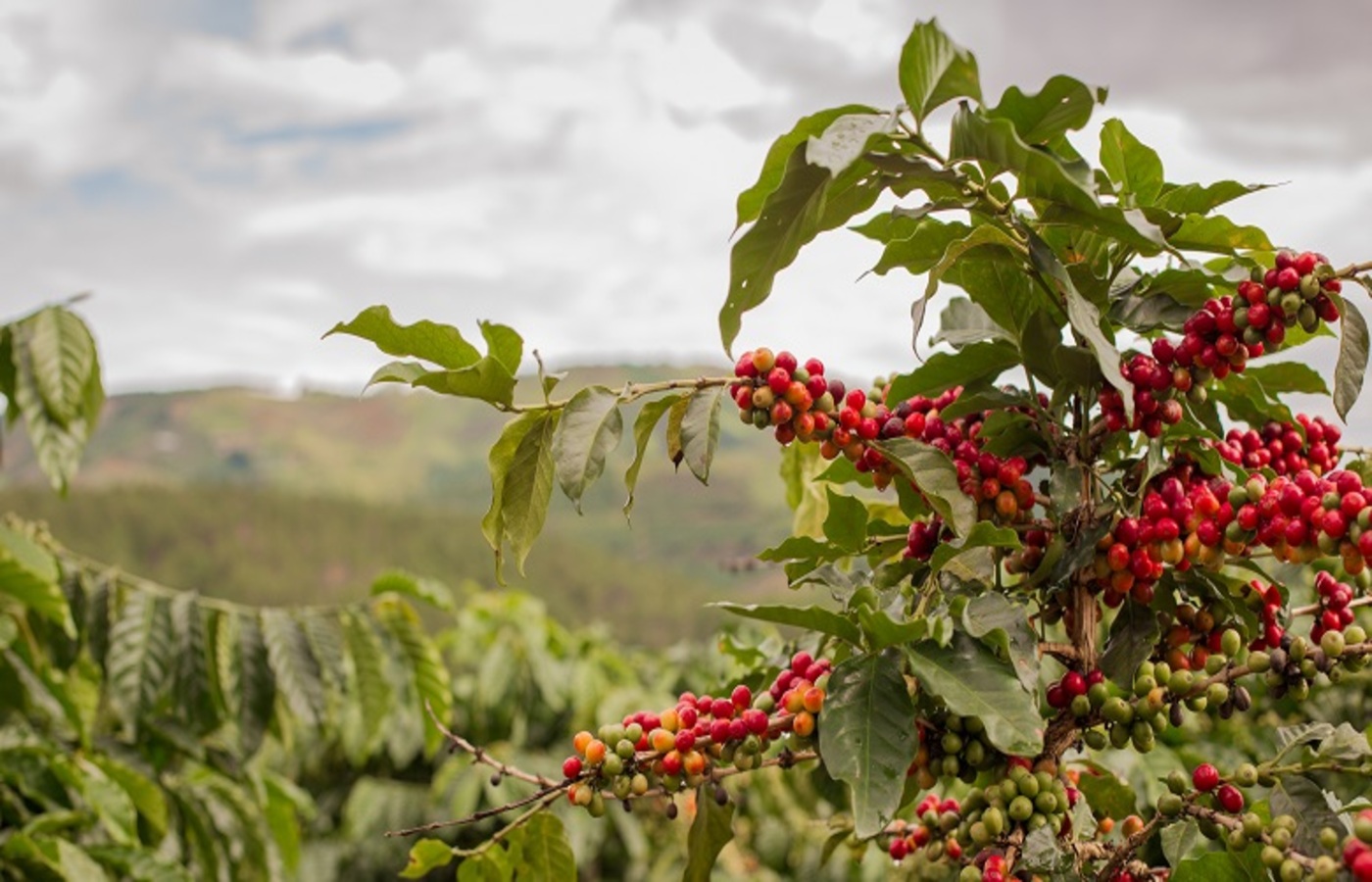
For Ethiopia, the birthplace of coffee, the soaring prices represent a rare chance for the millions of smallholder farmers who depend on the crop as their main source of income. Coffee accounts for over a quarter of the country's total export earnings, making it a critical driver of the economy. It brought over 1.4 billion US dollars in export proceeds last year.
However, Ethiopian farmers have long grappled with chronic underinvestment, infrastructure deficiencies, and uneven distribution of the profits generated by the global coffee trade.
Industry players warn the challenges facing Brazil, the undisputed heavyweight champion of global coffee production, loom large over the prospects for Ethiopian growers. The severe drought that has ravaged Brazil's arabica-growing regions could have ripple effects throughout the industry, potentially limiting the extent to which higher prices reach smallholder farmers in other countries.
The situation in Brazil is a stark reminder of how vulnerable the coffee supply chain can be to weather-related shocks, an expert said. Even if Ethiopian farmers earn more in the short term, the long-term stability of the industry is very much in question, the expert added.