

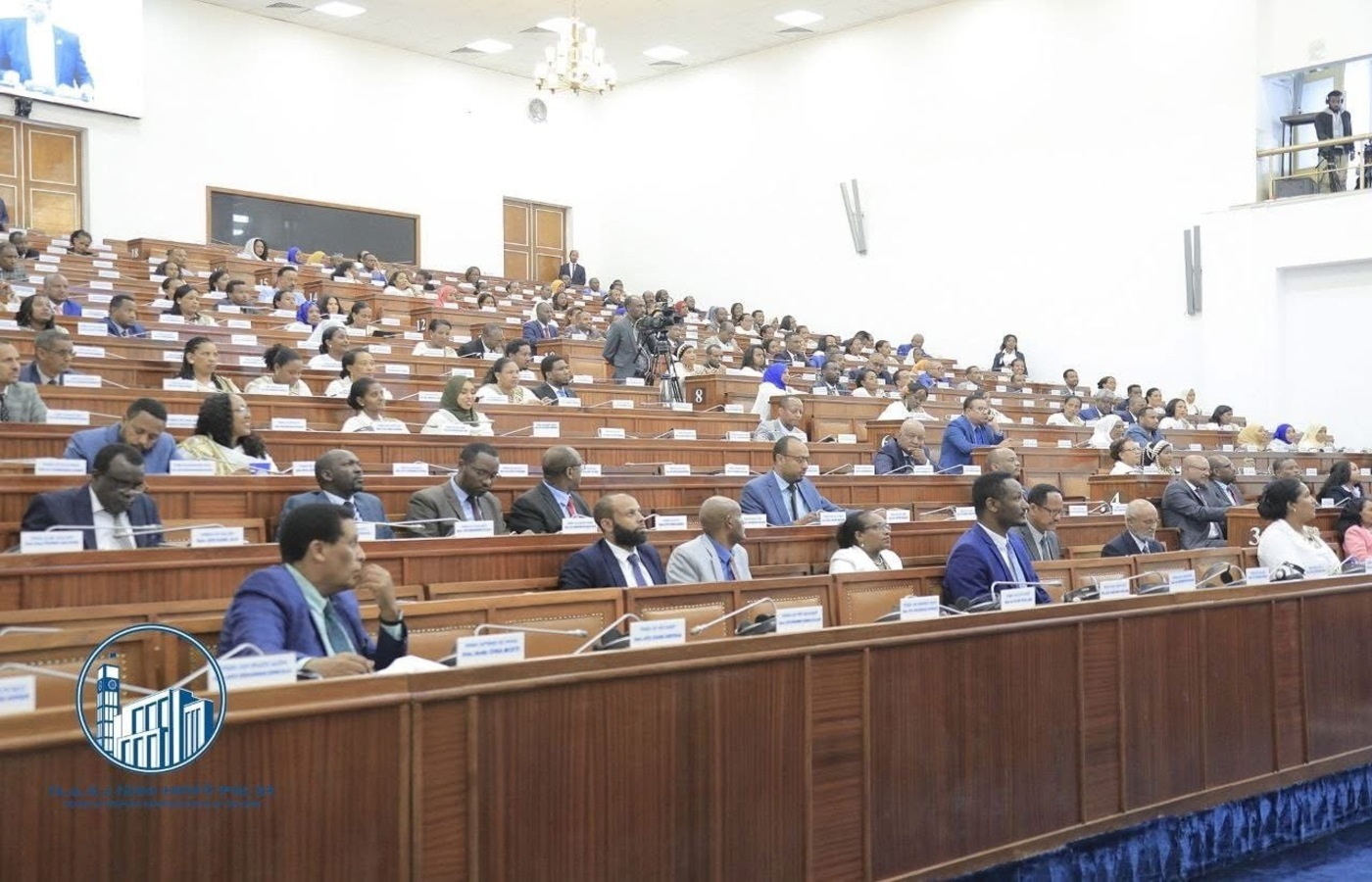
The parliament has repealed a controversial legal provision granting broad criminal immunity to covert operatives involved in investigations of money laundering and terrorism financing—just weeks before the proclamation containing the clause was to be officially published.
The move came during a rare special session of the House of Peoples’ Representatives (HoPR) on July 07, 2025, where lawmakers voted to amend Proclamation No. 1387/2025, which itself had revised Ethiopia’s 2009 anti-money laundering and counter-terrorism law (Proclamation No. 780/2005). The repealed clause—Article 26(4)—had exempted undercover investigators from criminal liability for any offences committed “under cover” during operations, provided the crimes were beyond their control and did not include murder.
The Standing Committee on Law and Justice Affairs, which had initially proposed the clause, reversed its stance amid intensifying pressure from opposition politicians, legal experts, and human rights defenders. The committee argued that the provision risked broad legal interpretation, undermining both the credibility and enforceability of the proclamation.
“This amendment was necessary because the original provision would open the door to serious implementation challenges,” said Isa Boru, deputy chair of the committee, addressing MPs during the session. “It could be broadly interpreted and negatively impact the justice system.”
The House adopted the resolution by a majority vote, with only one abstention.
The clause had provoked alarm from civil society organisations and international partners, some of whom saw it as incompatible with Ethiopia’s constitutional commitment to rule of law and due process. Had it been retained, the provision would have set a legal precedent allowing security forces to evade accountability for serious misconduct—so long as their actions occurred during covert investigations.
The initial justification for the immunity clause was to enhance the effectiveness of special investigative techniques, including surveillance and infiltration operations. Supporters within the government had argued that covert operatives must navigate morally complex environments and occasionally make split-second decisions that blur legal boundaries.
But critics said the clause lacked adequate safeguards and could open the door to arbitrary arrests, illegal detentions, or even violent acts carried out under the banner of national security.
Parliament’s reversal is likely to be welcomed by Ethiopia’s international development partners and financial watchdogs, who have long urged the country to align its legal framework for financial crimes with global standards—while also respecting human rights obligations.
Ethiopia has taken a series of steps in recent years to modernise its legal and financial infrastructure, including updating laws on banking supervision and digital financial services.




