

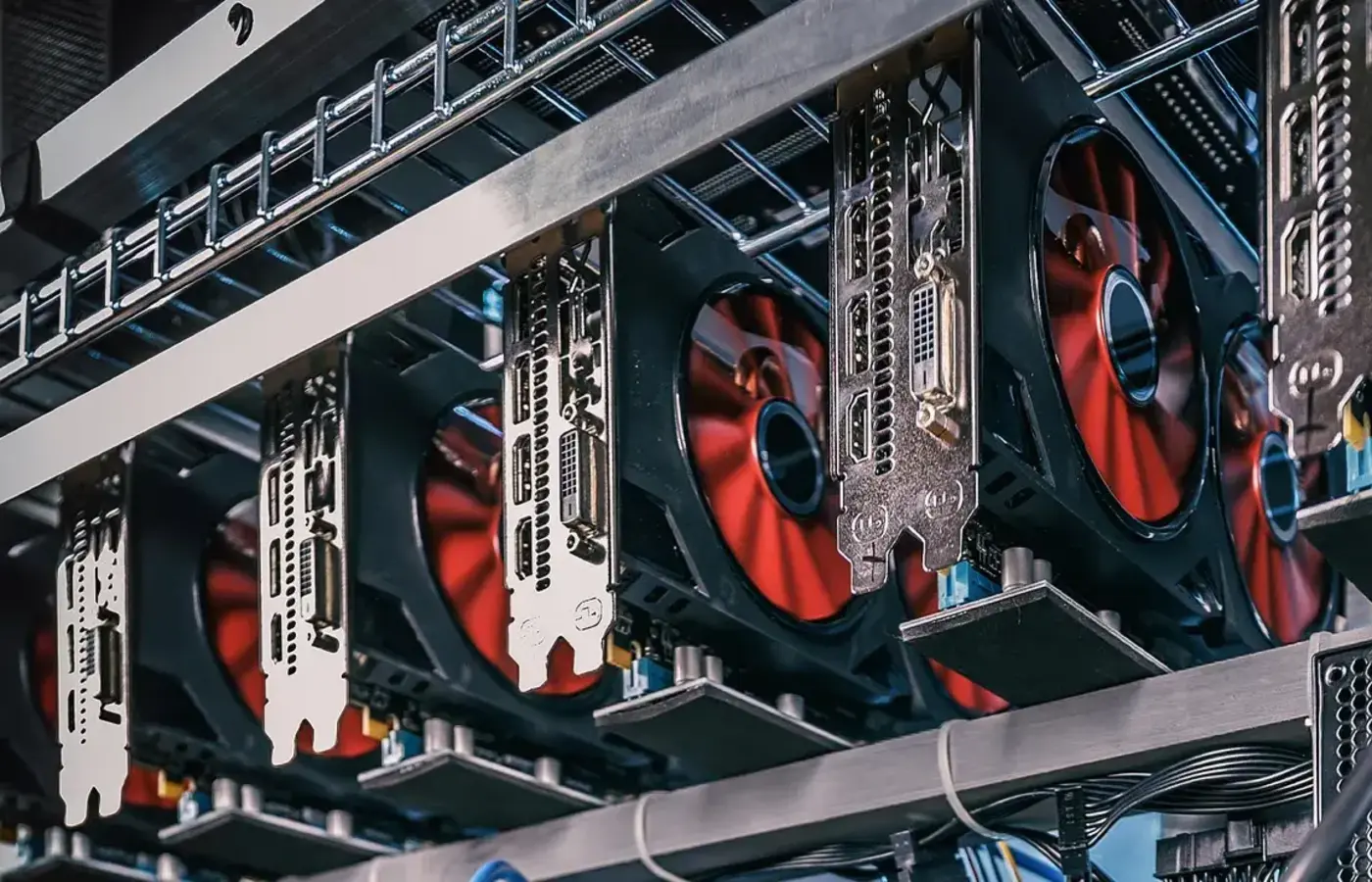
Ethiopian Electric Power (EEP) has announced it will stop issuing new licenses to data mining companies and gradually phase out existing operators over the coming years, despite the sector generating the largest share of the utility’s revenue for the first time.
Data mining companies generated more than 28 billion birr in revenue during the 2024/25 fiscal year, accounting for 39 percent of EEP’s total 75.4 billion birr revenue. This translated into 220 million US dollars from data mining, compared with 118 million US dollars earned from electricity exports to other countries, bringing total export-related earnings to 338 million US dollars.
Chief Executive Officer Asheber told reporters that while data mining has become a significant revenue source, the utility’s primary focus remains on supplying power first to manufacturers, followed by households, and lastly to data mining firms.
“We initially supplied power to data miners on a short-term basis to generate foreign currency for ongoing projects,” Asheber said. “However, data mining consumes large amounts of electricity but contributes little to job creation or broader economic growth. This conflicts with our mandate to support Ethiopia’s industrial and social development.”
Asheber added that the government has withdrawn earlier incentives such as tax holidays for data mining operators, reflecting concerns over the sector’s low electricity tariffs that attracted many displaced miners from other countries.
He confirmed that no new data mining licenses will be issued, and existing companies are expected to either transition their business models or exit the sector within a few years.
“Our plan is to maintain current contracts while discouraging further growth in data mining. We want to prioritise electricity supply to sectors that have stronger potential to drive economic revival and employment,” Asheber said.
Despite the phase-out plans, Ethiopian Electric Power projects that revenue from data mining will rise to 109 billion birr in the 2026 fiscal year as some firms continue equipment importation and operations.




