

After years of expanding electricity generation capacity, Ethiopia Electric Utility (EEU) is turning its attention to a weaker link in the power system: distribution. The utility has completed a 25-year national master plan that requires an estimated 30.6 billion US dollars to expand, rehabilitate and digitise the electricity distribution network.
The plan proposes the construction of 16,500 kilometres of new medium-voltage distribution lines and the rehabilitation of 9,700 kilometres of existing lines. It also includes 21,800 distribution transformer interventions and the installation of additional transformer capacity totalling 6,945 MVA.
The first phase of the programme is expected to require 1.3 billion US dollars in investment. Addis Ababa is projected to account for the largest share of the initial investment at 575 million US dollars, while Oromia is expected to require 478 million US dollars.
The scale of the proposed investment reflects growing pressure on the distribution system as demand for electricity rises from households, commercial users and industrial facilities. While investments in generation have expanded available power supply, weaknesses in distribution infrastructure have continued to affect the reliability and quality of electricity delivered to consumers.
The master plan is designed to address these constraints by expanding network capacity, upgrading ageing infrastructure and introducing digital technologies into distribution operations. EEU said the roadmap would help create a more modern, reliable and technology-supported distribution system.
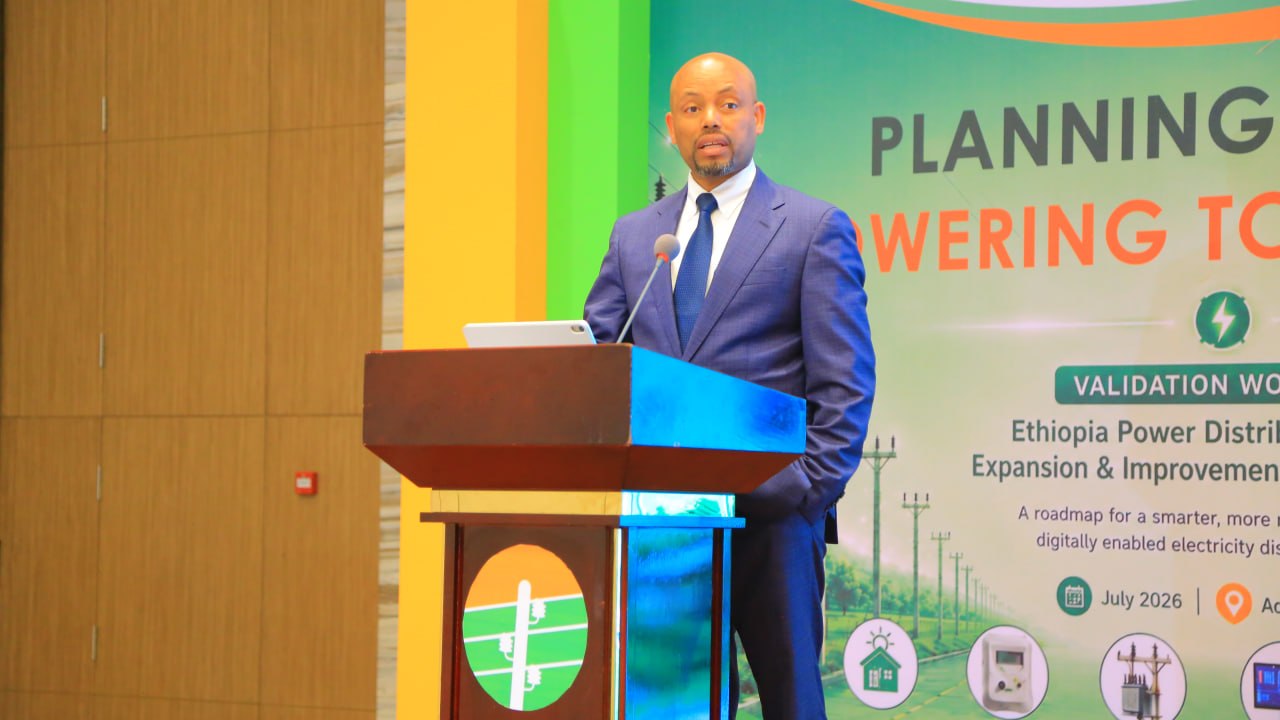
The utility is presenting the completed study at a two-day validation workshop in Addis Ababa, where stakeholders are reviewing the findings and proposed implementation roadmap before the plan moves forward.
Improving distribution reliability has become increasingly important as manufacturing facilities, industrial parks and businesses seek more stable electricity supplies. Power interruptions and network limitations have remained among the challenges affecting productive electricity use and private-sector operations.
Beyond physical infrastructure, the plan also signals a shift towards a more digitally managed utility model. The proposed transition includes greater use of technology to monitor networks, improve operational efficiency and support better management of electricity distribution.




