

Ethiopian Investment Holdings (EIH), the country’s sovereign wealth fund, has scrapped its public tender for the Sugar Industry Group, citing bids that failed to meet required financial and technical standards.
The decision, outlined during a detailed review before the House of People's Representatives (HPR), highlights persistent structural and governance challenges across Ethiopia’s state-owned enterprises (SOEs).
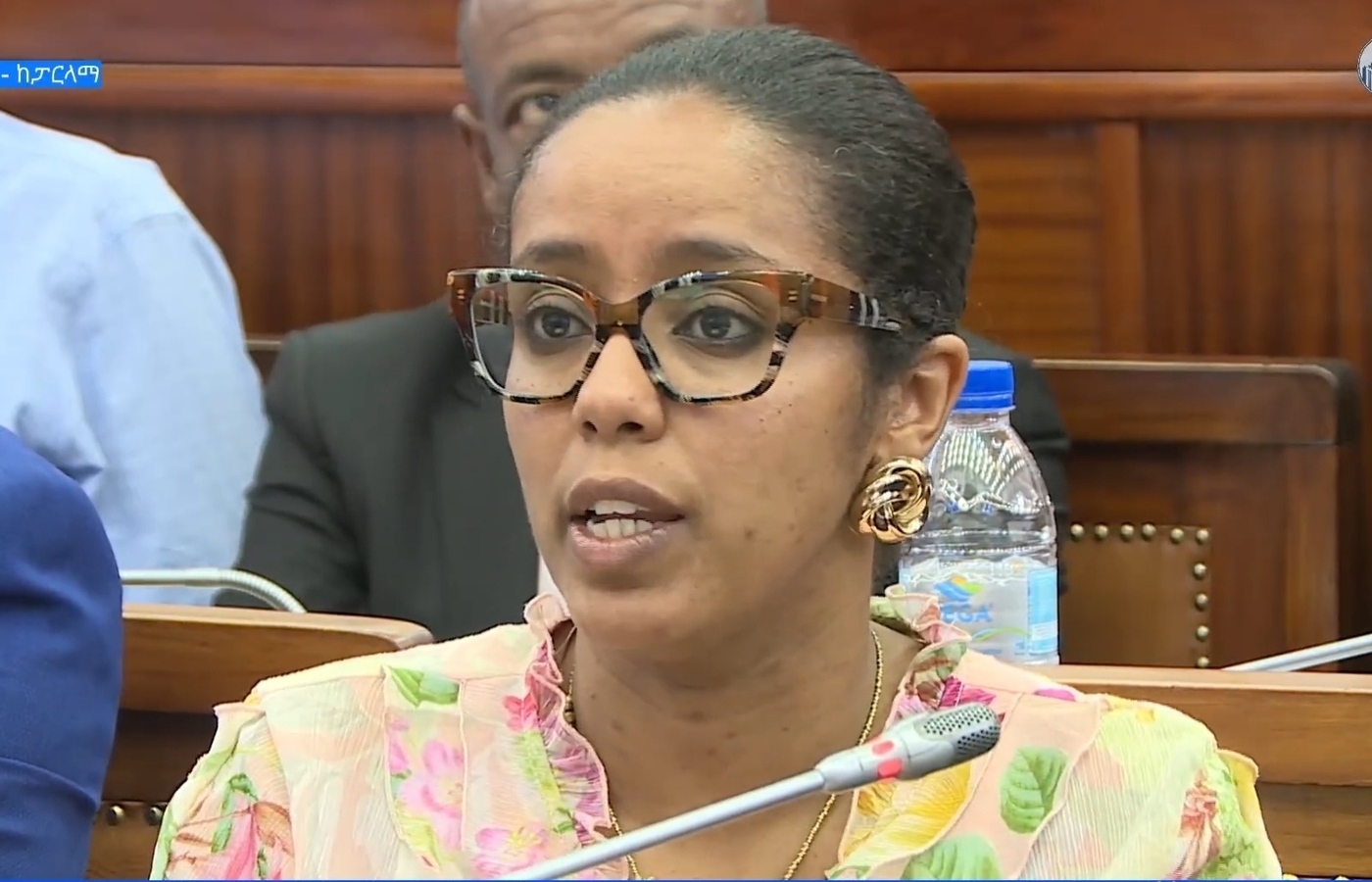
Deputy chief executive Meleket Sahlu told legislators that EIH would now pursue targeted negotiations with strategic investors capable of revitalizing the sector.
"The privatization of the Sugar Industry Group has not materialized through the open tender process. The bids were insufficient. We are now pursuing direct negotiations with investors who have the capacity and commitment to revive this vital industry," she said.
The failed tender exposes a deeper issue: chronic underinvestment across EIH’s portfolio. She described a delicate balancing act between sustaining business operations, generating government dividends, and selectively investing in growth.
"We would love to recapitalize all 40 of our Development Enterprises if capacity allowed. However, given limited resources, we are prioritizing entities at risk of collapse in the coming years—certain sugar factories are a priority," she explained.
This targeted approach is designed to maintain critical assets while longer-term investment solutions are explored.
The setback has prompted a strategic pivot. EIH is abandoning the traditional tender model in favor of direct engagement with global companies that have proven operational track records. The approach mirrors its recent collaboration with Dangote, which fast-tracked capital deployment and technical expertise.
"Relying solely on proposals through the Investment Commission is time-consuming. By headhunting internationally known companies, we cut due diligence time and accelerate investment," Meleket said.
The new strategy aims to advance projects such as the fertilizer industrial complex and other large-scale public-private partnerships.
HPR members raised concerns that a push for commercial discipline might overshadow the public service role of certain SOEs, including utilities. Deputy chief executive Habtamu Hailemichael emphasised that EIH is managing both mandates.
"We are committed to ensuring essential services remain accessible while improving commercial performance. Governance and efficiency are central to this effort," he said.
EIH has also introduced the Walia Impact Fund, centralizing corporate social responsibility initiatives to enhance social outcomes alongside commercial objectives.
Despite these challenges, EIH executives told the HPR that the fund is entering a “maturity phase,” armed with streamlined governance, proactive investment strategies, and a mandate to unlock the full commercial value of Ethiopia’s state assets.




