

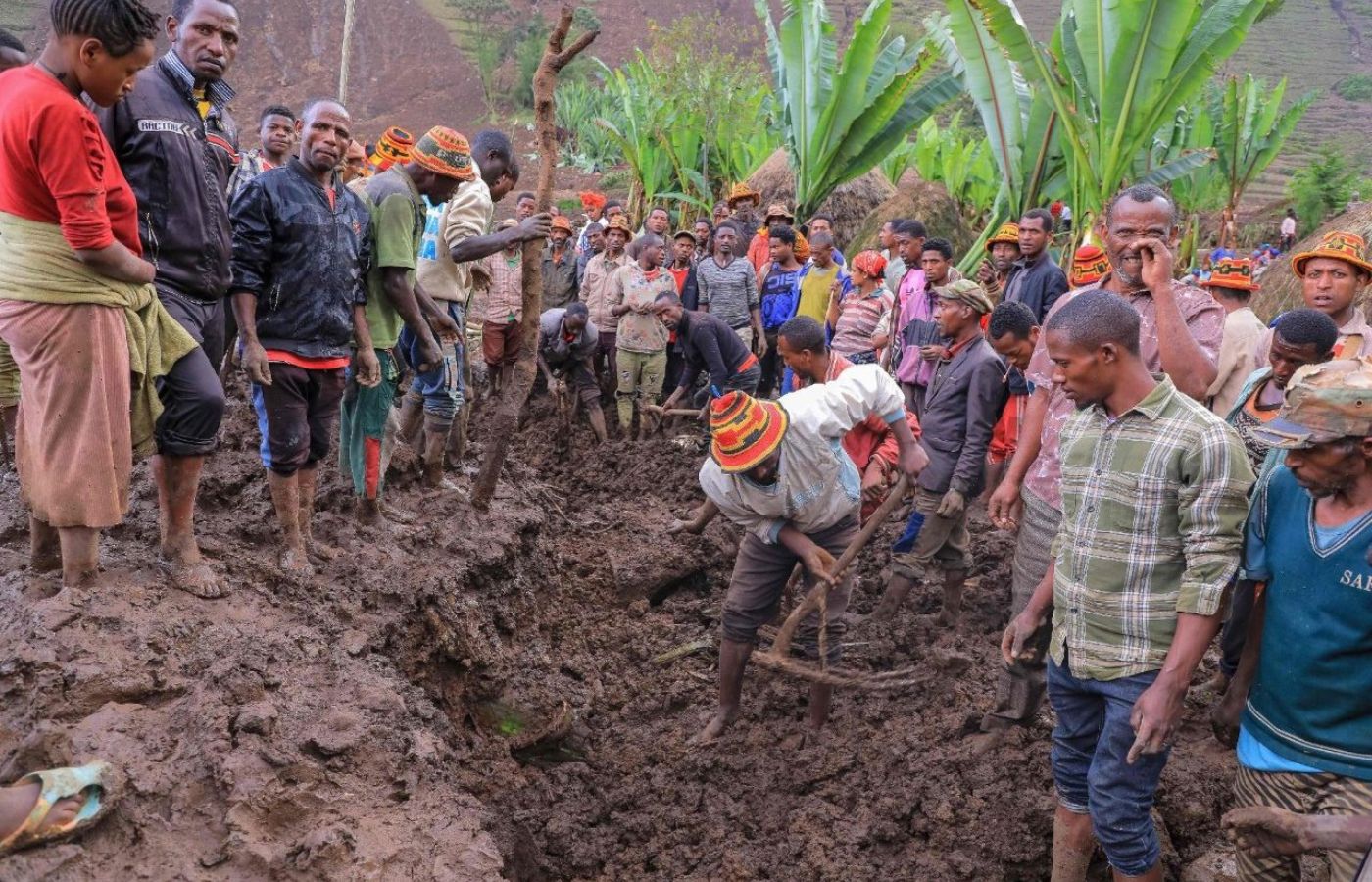
A strengthening El Niño is raising the likelihood of heavy rainfall and flooding across eastern and southern Ethiopia later this year, even as western and central parts of the country continue to face rainfall deficits, according to a regional climate assessment.
The October-to-December rainfall outlook from the IGAD Climate Prediction and Applications Centre (ICPAC), released on Tuesday, forecasts wetter-than-normal conditions across eastern and southern Ethiopia and much of the wider Greater Horn of Africa.
The forecast points to a sharp geographical divide in Ethiopia’s climate risks. Areas already affected by poor June-to-September rainfall could face crop, livestock and water stress, while parts of the east and south could experience excessive rainfall, flooding and related damage during the final months of 2026.
The current rainfall deficit is already affecting agricultural conditions in parts of western and central Ethiopia. The regional assessment says some areas have received less than 60 percent of normal rainfall, with prolonged dry spells reported since April.
Below-average rainfall combined with above-average temperatures is expected to continue across affected areas through August to October. The University of California, Santa Barbara’s Climate Hazards Center also projects substantial cumulative rainfall deficits by the end of the June-to-September season.
The effects are being reported in agricultural areas, including delayed planting, poor germination, reduced planting and crop wilting. Satellite vegetation indicators and crop models point to deteriorating conditions in several affected areas.
Poor rainfall could reduce cereal production in some major producing areas, while declining river, reservoir, pond and groundwater recharge could put additional pressure on households, livestock and agriculture.
Pastoral and agro-pastoral communities could also face reduced pasture and water availability, affecting livestock health, milk production and household income. Increased livestock movement in search of water and grazing could add pressure around shared resources.
The climate outlook changes during the October-to-December season, which is a major rainfall period for eastern Africa.
ICPAC expects wetter-than-normal conditions across eastern and southern Ethiopia, Somalia, northern Kenya, Uganda, Rwanda and Burundi. The forecast gives a 90 percent probability of enhanced rainfall across southern Ethiopia, central and southern Somalia and north-eastern Kenya.
In Ethiopia, the additional rainfall could replenish rivers, reservoirs and groundwater and improve water availability for agriculture, livestock and households. But excessive rainfall could also trigger floods, damage crops and infrastructure, displace communities and disrupt transport and humanitarian operations.
The assessment also warns of increased risks from water- and vector-borne diseases following heavy rainfall and flooding.
ICPAC identified 1997 and 2023 as relevant analogue years for the current outlook. Both years experienced wetter-than-normal October-to-December conditions across much of the region, accompanied by significant flooding and humanitarian impacts.
The historical comparisons are intended to inform preparedness rather than predict that the same events will occur in 2026.
The regional outlook is partly driven by changes in ocean temperatures. El Niño has developed in the Pacific Ocean and is expected to strengthen during the remainder of 2026 and persist into early 2027.
The Indian Ocean Dipole is also expected to remain in its positive phase. The combination of the two climate patterns is generally associated with enhanced October-to-December rainfall across the Greater Horn of Africa.
The US National Oceanic and Atmospheric Administration estimates a 95 percent probability that the El Niño event will reach strong or very strong intensity in late 2026.
The rainfall outlook is therefore particularly important for Ethiopia because the country could face two different sets of climate pressures within a single agricultural cycle: persistent moisture stress in parts of the west and centre, followed by increased flood exposure in the east and south.
The effects of poor rainfall in the current season could continue after the rains end, particularly if crop production is reduced.
The assessment expects food-security pressures from weak harvests to become more pronounced during the first half of 2027 as households enter the period with reduced food stocks and agricultural income.
Lower food availability, weaker purchasing power, reduced livestock and milk production and water shortages could also increase nutritional risks, particularly among vulnerable households and children.
ICPAC recommends early preparation for both rainfall extremes. In areas affected by current rainfall deficits, authorities and humanitarian organisations are encouraged to prepare for increased needs in the coming months and early 2027.
For eastern and southern Ethiopia, the forecast provides a window to strengthen flood preparedness before the October-to-December rains arrive, while also preparing to capture potential benefits from improved water availability.
ICPAC will continue issuing weekly, sub-seasonal and monthly forecasts, while national meteorological and hydrological services will provide more detailed country-level forecasts and advisories.




