

The Ethiopian Maritime Transport and Logistics Enterprise (EMTL) returned to profitability in the 2025/26 fiscal year, posting a pre-tax profit of 28.2 billion birr after recording a 12.4 billion birr loss a year earlier, as cargo volumes and revenue increased amid a renewed focus on logistics operations.
The enterprise handled 7.04 million metric tons of cargo during the 12-month period ended June 30, up from 5.54 million tons in the previous fiscal year. Revenue reached 157.2 billion birr, exceeding its target of 144.9 billion birr and rising from 123.8 billion birr a year earlier.
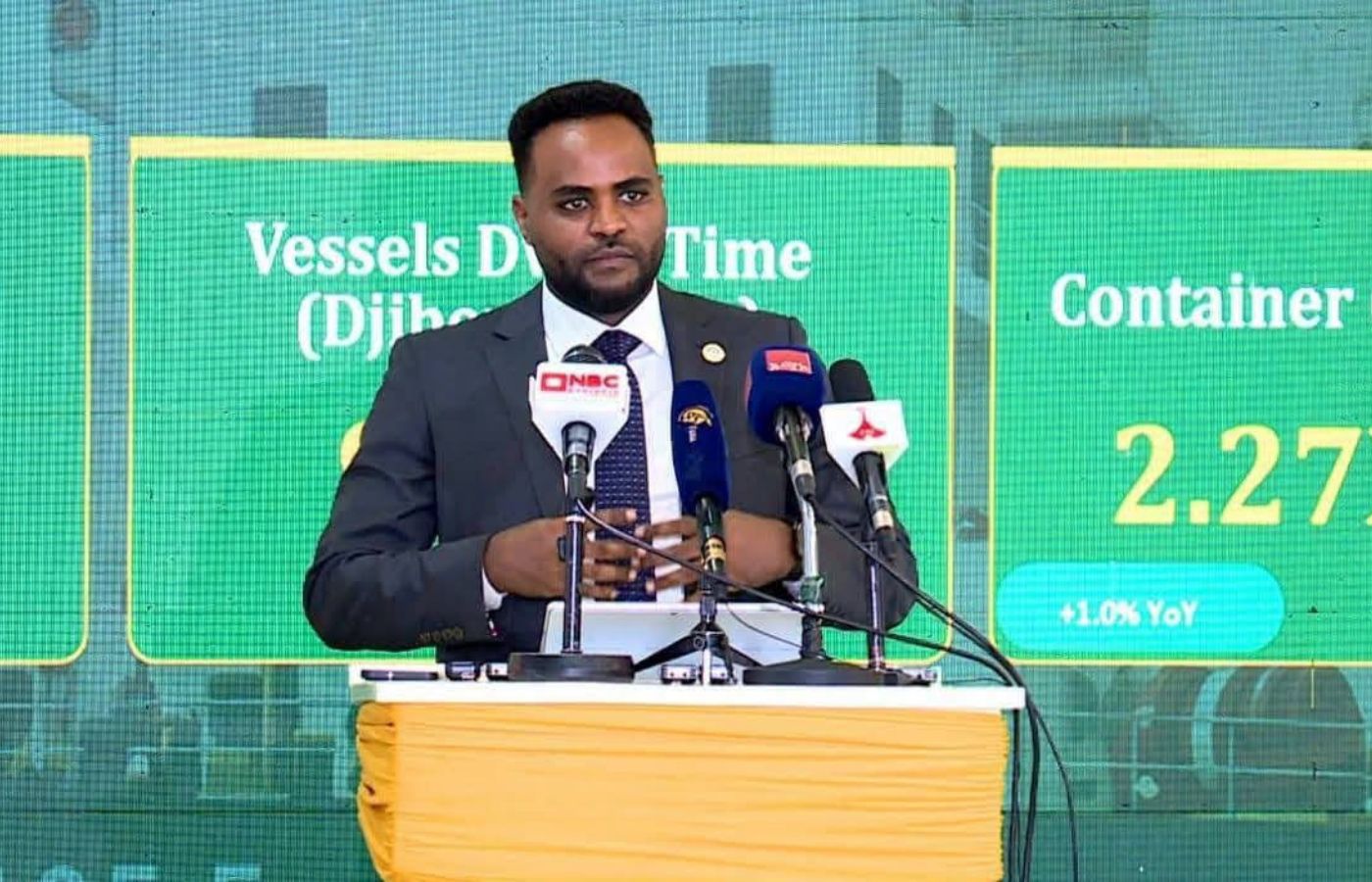
EMTL Chief Executive Officer Engineer Abdulber Shemsu attributed the turnaround to operational reforms implemented across the enterprise, saying the improved financial results reflected progress in restoring profitability.
"We have pursued a rigorous programme to restore this enterprise to profitability," Abdulber said. "The outcomes affirm our strategic direction."
The enterprise, which manages shipping, port clearance and inland logistics services, plays a central role in moving key imports and exports, including fuel, fertiliser and manufactured goods. More than 95 percent of international trade passes through Djibouti, making logistics efficiency a critical factor for trade operations.
During the year, EMTL resumed fuel transportation after a 20-year break, with fuel accounting for 1.7 percent of total cargo handled. The enterprise said the move is aimed at reducing reliance on foreign tanker operators and increasing control over a strategically important logistics segment.
"Dependence on external operators for energy logistics entails considerable vulnerability," Abdulber said. "The reintegration of fuel transport into our portfolio affords us greater oversight of a strategically sensitive sector."
Fertiliser transport also increased, reaching two million tons compared with 1.6 million tons in the previous fiscal year. Road transport accounted for 74 percent of deliveries, while the remaining 26 percent moved through the Ethio-Djibouti Railway.
Abdulber said the enterprise plans to increase the role of rail transport in freight movement, targeting an equal split between road and railway transportation over the medium term.
"The railway constitutes a transformative asset for our logistics network," he said. "A greater modal shift towards rail will mitigate road infrastructure wear and generate long-term cost efficiencies."
EMTL also supplied 34,000 containers to exporters during the fiscal year, compared with 27,000 previously, as part of a programme to expand its container fleet to 100,000 units by 2030.
The enterprise said expanding container availability is intended to reduce shipping costs, ease port congestion and improve exporters’ access to international markets.
The improved performance was supported by higher fleet utilisation, stronger coordination with port authorities and more efficient logistics processes, according to EMTL. However, the enterprise identified foreign currency shortages and ageing equipment as continuing operational challenges.
EMTL is seeking to further expand logistics capacity as it works to strengthen domestic control over key trade routes and reduce bottlenecks affecting the movement of goods.




