

By Rozina Molla
- Lawmakers decry service disruptions, rural connectivity gaps, and coverage issues.
- Land shortages in Addis Ababa and construction projects disrupt services.
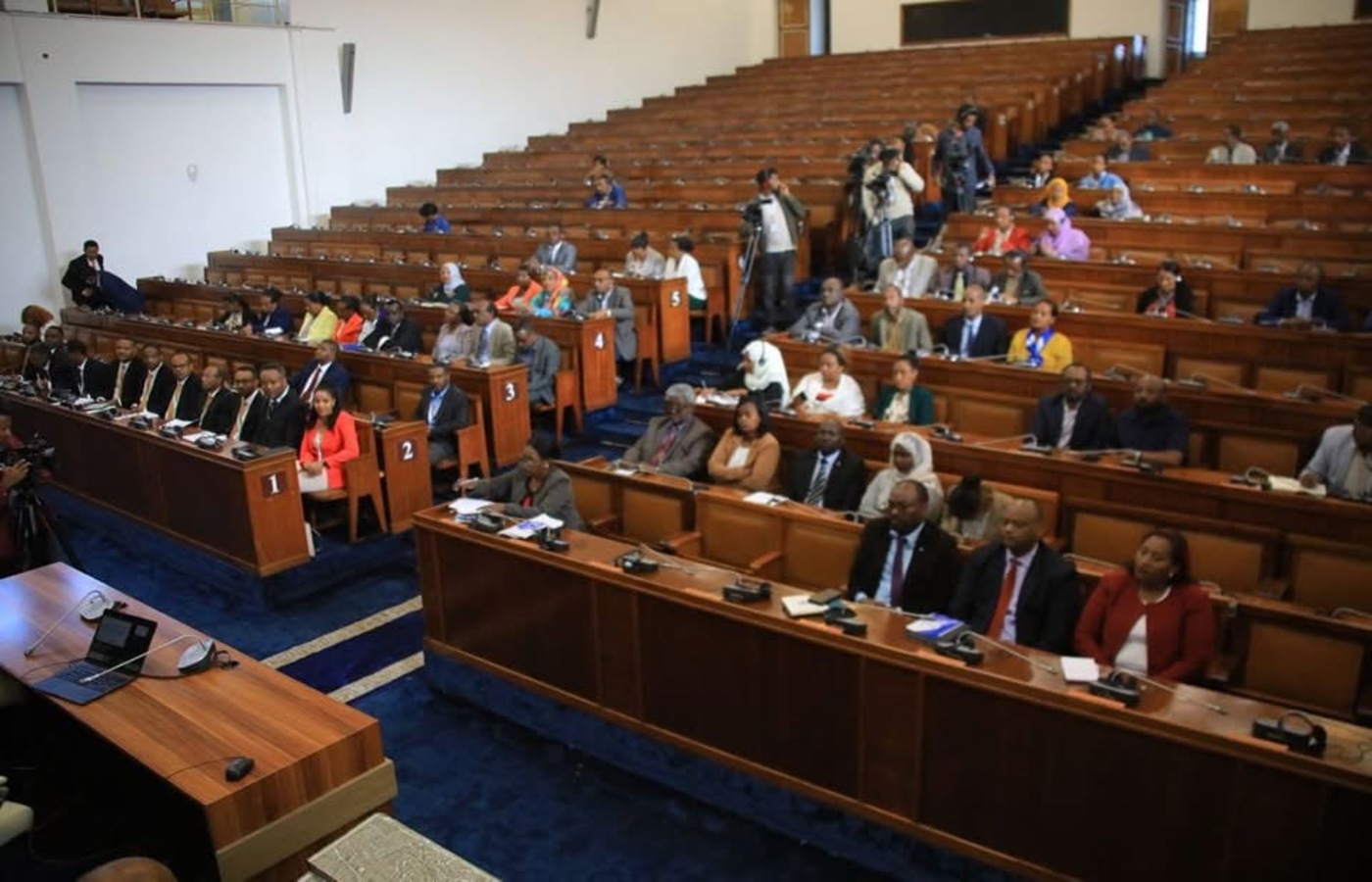
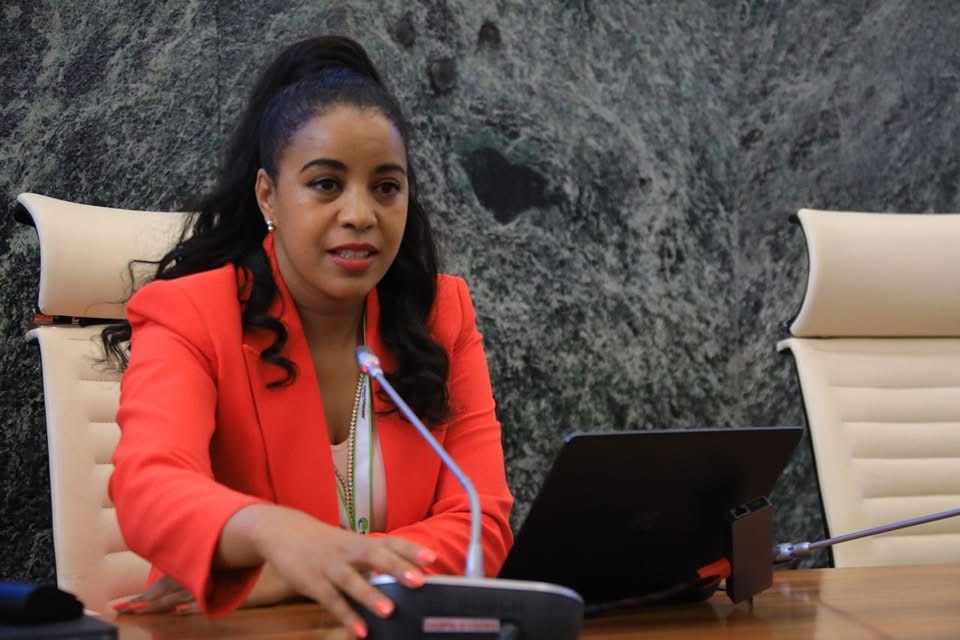
Frehiwot Tamiru, CEO of Ethio Telecom, faced tough questions from parliament as the state-owned telecom provider struggles with a 1.1 billion US dollars funding gap, public anger over price hikes, and connectivity issues across Ethiopia.
Responding to 280 questions from lawmakers and the public, Frehiwot outlined the company’s financial struggles and operational hurdles while facing criticism over its cost adjustments.
Funding Shortfall Threatens Expansion
Frehiwot said the company needs 1.1 billion US dollars in external financing to meet its goal of constructing 1,298 telecom towers in the coming year. Ethio Telecom, which built 8,500 towers over the past five years, is pursuing loans from international lenders to fill the gap.
“We are facing a shortage of finance, and external funding is critical to sustain our expansion,” Frehiwot told lawmakers.
While urban centers have seen rapid improvements, rural areas remain underserved. A legislator from the Wolayita Zone criticized the lack of progress, highlighting woredas that have waited 20 years for basic connectivity.
Frehiwot said the problem is exacerbated by Ethiopia’s energy infrastructure, with only 41 percent of rural areas having access to electricity, often via solar power.
Network Woes Spark Frustration
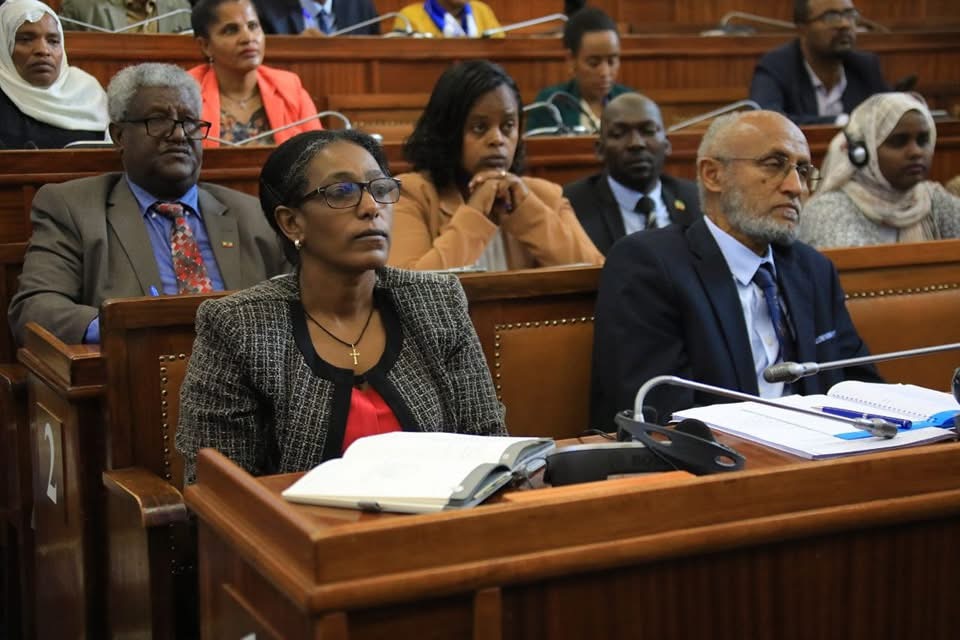
Network disruptions and limited service coverage also drew complaints from lawmakers, particularly in Addis Ababa and border regions.
Frehiwot attributed the disruptions in the capital to construction projects displacing telecom towers. She also cited land shortages as a significant barrier to new installations.
In border areas, representatives voiced concerns about entire communities lacking mobile service. Frehiwot acknowledged the challenges but noted that security concerns and financial constraints continue to hinder progress. Despite these issues, Ethio Telecom has rolled out 5G services in 11 cities, including Addis Ababa, Adama, Jigjiga, Dire Dawa, Harar, Bahir Dar, and Hawassa.
Price Hikes Stir Backlash
Ethio Telecom’s price hikes, implemented in September, have sparked public outcry and parliamentary scrutiny. MPs argue the increases disproportionately affect low-income users and rural communities.
“The price increase was applied across most products, creating frustration among citizens,” said Melese Mana, a parliamentarian from Southern Ethiopia. Another lawmaker, Desalegn Chane (PhD), lamented the rising cost of mobile internet, noting that a 100-birr top-up “barely lasts a day.”
Frehiwot defended the move, saying the adjustments were necessary to offset rising operational costs, particularly for foreign currency needed to fund infrastructure. Since Ethiopia adopted a market-based exchange rate in July 2024, the birr has nearly halved in value, increasing the cost of imported equipment and services.
“We’ve been operating under a cost-slashing strategy for years to make services affordable. But without profitability, we cannot sustain operations or improve quality,” Frehiwot said.
She added that low-income users were considered in the changes, with prices for some packages left unchanged.
Future Goals Under Pressure
Ethio Telecom aims to grow its revenue by 75 percent to 163.7 billion birr this fiscal year and increase its subscriber base to 83 million. However, the price hike and persistent service issues risk eroding public trust.
The company’s challenges come as Ethiopia’s telecom sector face stiff competition, with the rising market share of Safaricom. With financing hurdles, network gaps, and public dissatisfaction mounting, Ethio Telecom faces an uphill battle to retain its dominance in a rapidly changing market.




