

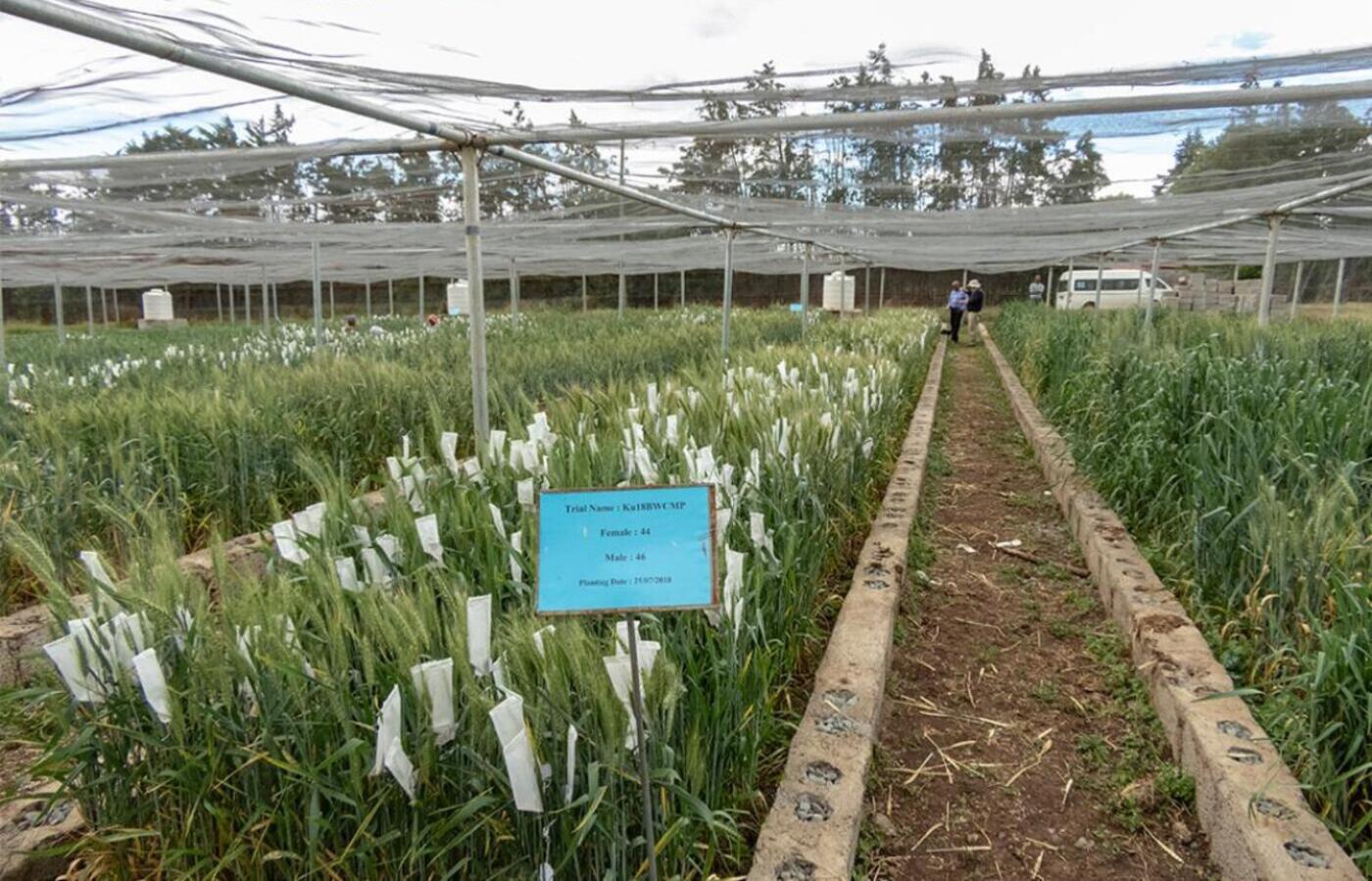
Ethiopia’s agricultural research sector has adopted new methods to improve the development of crop varieties following a five-year partnership between the Ethiopian Institute of Agricultural Research (EIAR) and the University of Queensland.
The collaboration, financed by the Gates Foundation, focused on strengthening breeding programmes for six major crops: maize, wheat, sorghum, teff, chickpea and common bean.
The project introduced improved breeding processes, digital systems and data-driven approaches aimed at helping researchers make faster and more informed decisions when evaluating crop varieties.
It also supported the restructuring of breeding pipelines by improving the way researchers track crop performance, advance promising varieties and connect research goals with the needs of farmers and markets.
Professor Emma Mace from the University of Queensland said the partnership was designed to establish lasting improvements in Ethiopia’s crop research system rather than deliver short-term results.
“The goal was not to focus on one planting season or one harvest cycle,” Mace said. “It was about creating systems that can support Ethiopia in dealing with future pressures, from climate uncertainty to population growth and changing market expectations.”
The initiative involved working closely with EIAR scientists and breeders to strengthen the use of evidence in crop development decisions. The new approaches were adapted to Ethiopia’s agricultural conditions, with local researchers leading the application of the tools.
Professor David Jordan of the University of Queensland said the partnership benefited from common agricultural challenges faced by Ethiopia and Queensland, particularly in tropical and subtropical regions.
“There were clear similarities between the production challenges we see in Queensland and those faced by Ethiopian farmers,” Jordan said. “However, EIAR scientists had the strongest understanding of local farming systems, and our contribution was supporting them with improved methods, tools and data.”
The partnership also introduced digital workflows intended to reduce reliance on manual procedures and improve efficiency across breeding activities.
Jordan said the willingness of EIAR researchers to adopt new practices helped ensure the changes could continue after the project ended.
“The commitment from researchers across EIAR was a key factor in the progress made,” he said. “Once they saw how these approaches improved results, they took ownership of the changes, which is important for long-term continuation.”




