

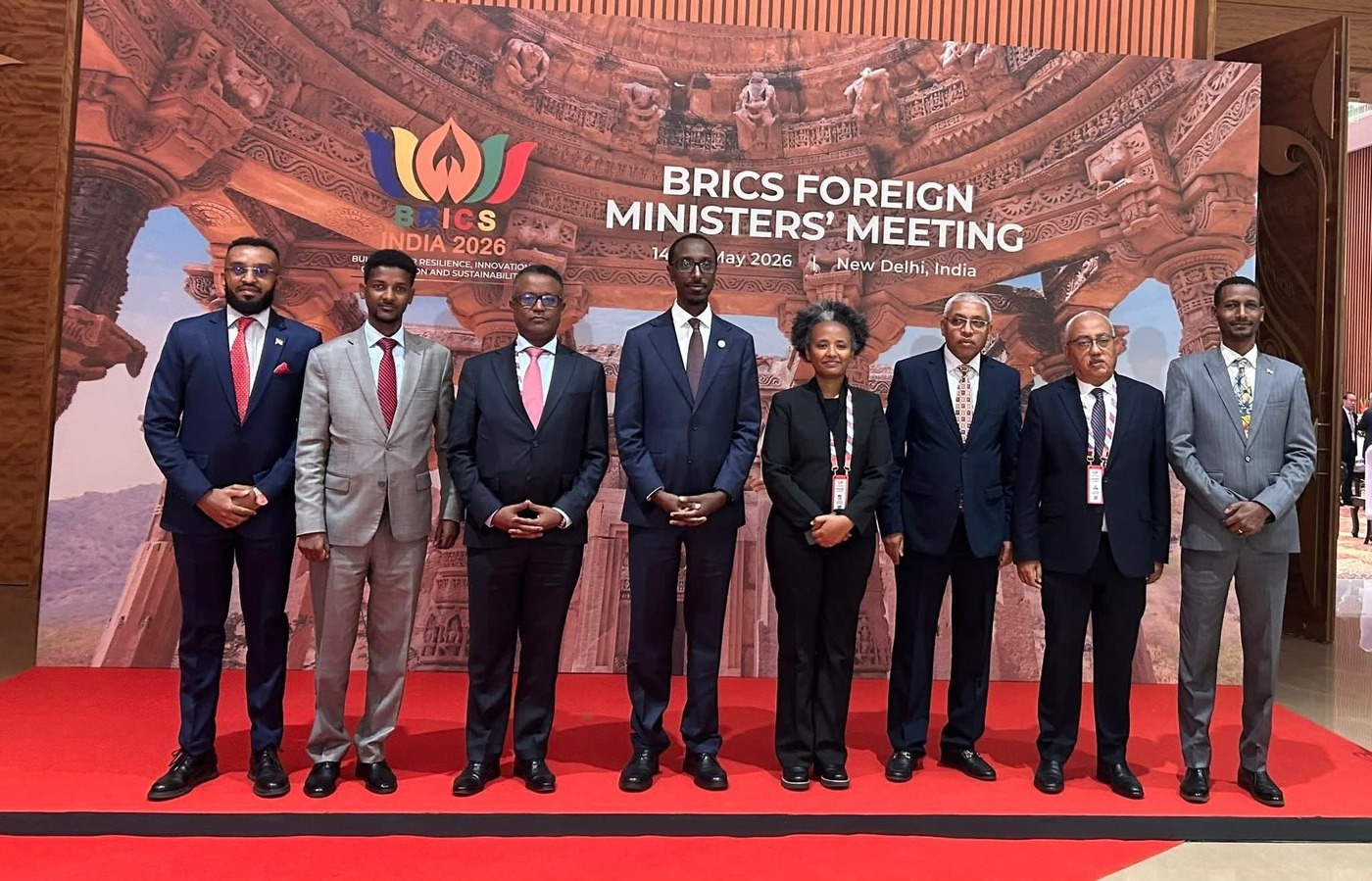
Ethiopia has called for urgent reforms to debt restructuring mechanisms for developing and low income nations, arguing that current procedures place excessive strain on their financial systems.
The appeal came during the BRICS Foreign Ministers' Meeting held May 14–15, 2026, in New Delhi.
Ethiopia, which joined BRICS in January 2024, has been managing a complex debt portfolio. In 2021, it became the third African nation in as many years to seek restructuring under the G20 Common Framework, following Zambia and Ghana. But the process has faced repeated delays due to coordination challenges among creditor groups including traditional Paris Club members and newer major lenders such as China.
Introduced in 2020, the G20 Common Framework was designed to help low income countries restructure unsustainable debt. Critics, including Ethiopia and several international development organizations, have long argued that the framework moves too slowly and lacks binding mechanisms to ensure timely participation from all creditors.
Ethiopia's external debt stood at about 28.8 billion U.S. dollars as of early 2024, according to World Bank and International Monetary Fund estimates. The country defaulted on its sole international government bond in December 2023 after failing to make a 33 million U.S. dollars coupon payment.
Ethiopia urged BRICS member states to support country specific reforms and push for immediate improvements to debt restructuring processes to create a fairer, more balanced economic system for low income nations.
Ethiopia also requested quota and representation adjustments to better reflect Africa's share in the global economy, stressing that decisions about African representation in international financial and political bodies should be left entirely to the continent itself.
The Ethiopian statement said "Africa's interests must be respected" in line with the United Nations Security Council, the Ezulwini Consensus and the Sirte Declaration.
Ethiopia also noted that trade restrictions imposed by developed nations under the guise of environmental policies are creating adverse economic pressures. It asked BRICS members to help ensure fairness and consider the economic realities of developing countries.
Despite its criticism of existing global governance frameworks which it argued currently place nations at risk Ethiopia reaffirmed its commitment to working within the broader multilateral system while entrusting BRICS members to help address these governance issues.




