

Ethiopia has launched a dedicated Japan Desk within the Ethiopian Investment Commission as it seeks to convert a long-standing diplomatic relationship with Japan into deeper trade and industrial investment.
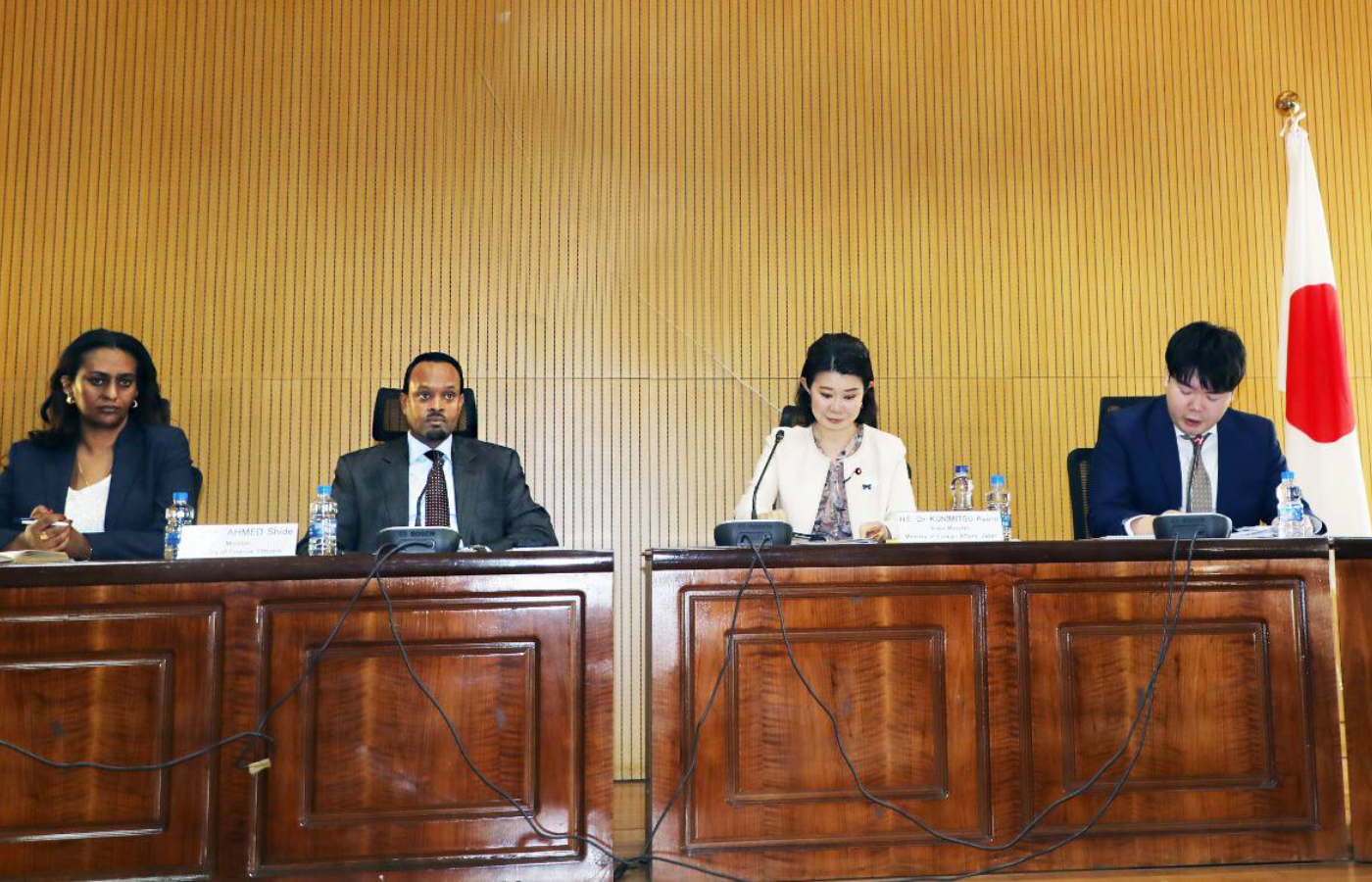
The decision was announced during talks between Finance Minister Ahmed Shide (PhD) and a Japanese public-private mission led by Kunimitsu Ayano, Japan’s state minister for foreign affairs. The delegation, the third such visit since 2008, brought together around 40 Japanese companies alongside government officials, signalling renewed interest from Tokyo in Ethiopia’s market.
The Japan Desk will act as a single point of contact for Japanese investors, coordinating licensing, customs, taxation, land access, and foreign exchange approvals. Ethiopian officials said the unit is designed to reduce administrative delays that have often discouraged long-term foreign investors.
The move comes as Ethiopia and Japan look to broaden a trade relationship that remains concentrated. In 2023, Ethiopia exported approximately 104 million US dollars of goods to Japan, with coffee alone accounting for nearly 90 million US dollars. Imports from Japan were larger, valued at around 382 million US dollars, dominated by vehicles and machinery, reflecting Japan’s role as a supplier of capital and industrial equipment to the Ethiopian economy.
Shide told the delegation that Ethiopia’s Homegrown Economic Reform Agenda is aimed at shifting the economy toward private-sector-led growth, with manufacturing, industrialisation, energy, agro-processing, logistics, and the digital economy at the centre of the strategy. Sectors such as telecommunications, technology, agriculture, and pharmaceuticals have also been opened to greater foreign participation.
Japanese firms raised concerns over customs delays, taxation clarity, and access to foreign currency. Shide said the Japan Desk would work across government agencies to resolve these bottlenecks and provide direct support to Japanese companies operating in Ethiopia.
Ethiopia also encouraged Japanese companies to explore investments in venture capital for mobility start-ups, space technology, digital services, industrial parks, energy, agro-processing, and logistics. Japanese participants expressed interest in infrastructure and transport projects, including the planned Bishoftu International Airport.
The talks were attended by State Minister of Finance Semereta Sewasew, Japan’s ambassador to Ethiopia Shibata Hironori, Ethiopia’s ambassador to Japan Daba Debele, and senior officials from the ministries of finance and foreign affairs, as both sides signalled a push to move the relationship beyond aid into long-term commercial partnership.




