

Ethiopia has unveiled a domestically developed probiotic starter culture designed to ferment milk more efficiently, a move officials say could help curb dairy imports and enhance food security.
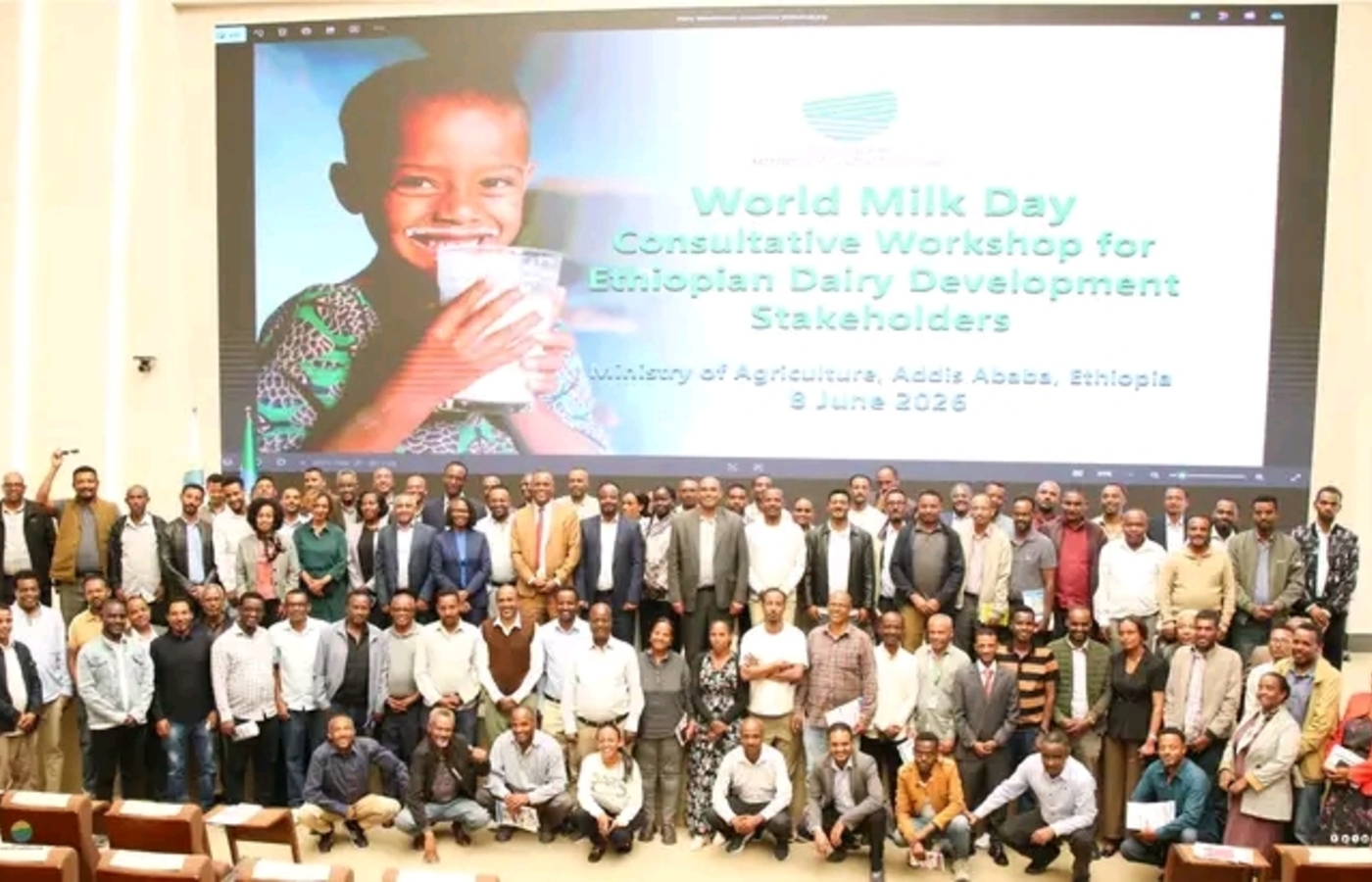
The Ethiopian Institute of Agricultural Research (EIAR) launched the product, named Etittuu, on Monday during an event marking World Milk Day. The culture enables pasteurized milk to ferment within four hours, potentially improving processing efficiency for dairies. Researchers derived Etittuu from traditional Ethiopian fermented milk products such as ergo and naturally soured milks called etittuu, long used in rural households.
Ethiopia has one of the largest livestock populations, yet its dairy industry remains largely small-scale and traditional. Most milk is produced by pastoralists and smallholder farmers with limited access to pasteurization or cold chains.
Post-harvest losses are high, and commercial processors have relied on imported starter cultures often from Europe to produce consistent, safe fermented dairy products like yogurt and cheese. Industry estimates cited by agricultural researchers suggest the country spends tens of millions of dollars annually on such imports.
Speaking at the launch, Agriculture Ministry State Minister Ifa Muleta said the new probiotic would help save foreign currency by replacing imported products and was expected to significantly raise national dairy productivity.
Ethiopia produces an estimated 12 billion liters of milk annually, but per capita consumption remains low at about 37 liters per year, well below global averages. The country imports roughly 50 million US dollar worth of dairy products including powdered milk, butter, and cheese each year.
Muleta added that Etittuu supports the government’s broader push to improve nutrition under the national agricultural policy framework, citing progress from the Yelemat Tirufat or Bounty of the Basket initiative, launched by Prime Minister Abiy Ahmed (PhD) in November 2022. That nationwide program aims to boost output of dairy, poultry, eggs, honey, fish, and meat.
According to the ministry, more than 15,900 dairy development villages have been established under the initiative, supporting cattle breeding, feed systems, and market linkages. The program had generated tangible gains in dairy production while stimulating investment and encouraging greater private-sector participation in the livestock sector.
EIAR Director General Niguse Dechassa confirmed that Etittuu is now available for commercial dairy processors and cooperatives.




