

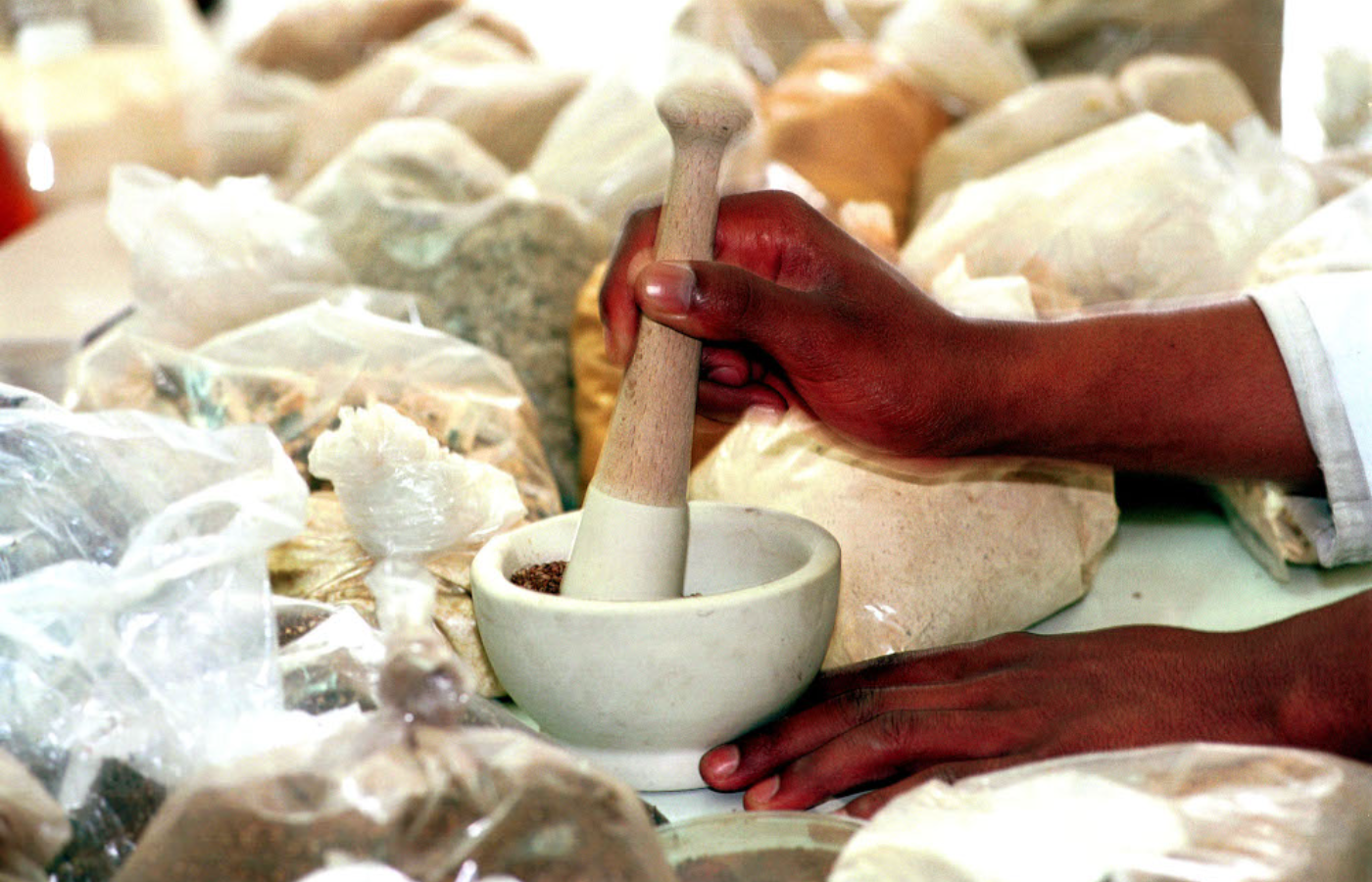
Ethiopia is finalizing efforts to commercially produce eight traditional medicines, marking a pivotal shift in the country’s health sector innovation landscape in a strategic push to bridge indigenous medical knowledge with modern pharmaceutical manufacturing.
The Armauer Hansen Research Institute (AHRI) has confirmed that the eight remedies, ranging from treatments for bacterial and fungal infections to other common ailments, have successfully passed laboratory and clinical evaluations. Their efficacy, safety profiles, and dosage formulations have now been scientifically validated, paving the way for large-scale manufacturing.
Speaking on the initiative, Associate Professor Messay W/Mariam, Deputy Director of the Pharmaceutical Industry Development Sector at AHRI, noted that the institute has been working closely with traditional healers to systematically codify and test long-held indigenous knowledge.
"We are now transitioning from the research phase to industrial transfer," he said. "The next critical step is to engage pharmaceutical manufacturers to scale up production, secure market authorization, and ensure public access."
The development reflects a broader government and institutional effort to reduce reliance on imported pharmaceuticals, commercialize local intellectual property, and integrate Ethiopia’s rich heritage of traditional medicine into the formal health system.
With regulatory pathways being finalized, the eight products are positioned to become among the first domestically developed, scientifically verified traditional medicines to enter the Ethiopian market, potentially setting a precedent for how indigenous health knowledge can be transformed into a competitive industrial sector.




