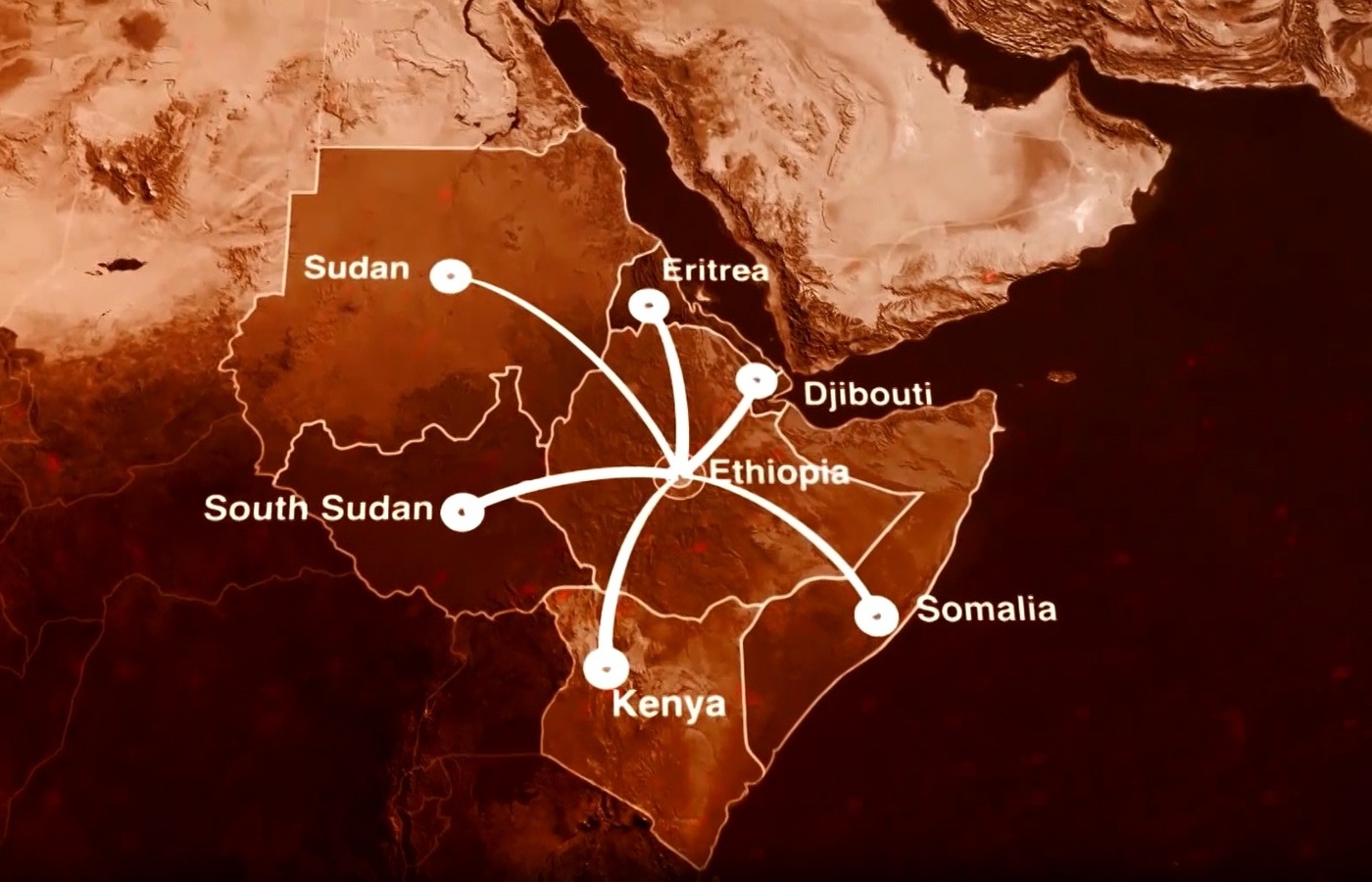
Ethiopia has linked its interests in the Nile basin and Red Sea to its geographic and historical ties to the two waterways, saying those realities should be reflected in regional discussions on water management, maritime affairs and security.
In a statement issued on October 5, the Ministry of Foreign Affairs said Ethiopia is the source of the Abay River, known downstream as the Blue Nile, with virtually all of the river originating in the Ethiopian highlands. The Abay contributes about 85 percent of the Nile River’s total flow, according to the ministry.
The ministry said discussions over the utilisation and management of the Abay should take these geographic facts into account, placing the river within a broader regional framework for managing shared water resources.
The statement also highlighted Ethiopia’s historical and geographic connection to the Red Sea, despite changes in political boundaries over time.
It said Ethiopia’s nearest border is about 30 miles, or roughly 48 kilometres, from the Red Sea coast and argued that this proximity should be considered in discussions over regional maritime affairs and security arrangements.
“Any serious discussion” of the region’s maritime affairs and security architecture, the ministry said, should take into account what it described as Ethiopia’s legitimate interests and enduring connection to the Red Sea.
The statement comes as the government continues to place the Red Sea and wider maritime access among its strategic regional priorities. Ethiopia has been landlocked since Eritrea became independent in 1993, leaving the country dependent on neighbouring states and regional infrastructure for access to international maritime trade.
The foreign ministry said geographic and historical realities could not be altered by political rhetoric, coercive measures or destabilising actions. It added that actions carried out through proxies or acts of aggression would not change conditions on the ground or diminish what it called Ethiopia’s legitimate interests, role and responsibilities in the region.
The ministry did not identify specific countries or actors in the statement.
On the Nile, Ethiopia has similarly framed the Abay as a central geographic factor in regional water discussions. The river is the main tributary of the Nile by volume and originates largely within Ethiopia before flowing into Sudan and joining the White Nile at Khartoum.
The statement reiterated Ethiopia’s position that regional disputes and strategic interests should be addressed through dialogue rather than confrontation.
“Ethiopia continues to pursue peaceful engagement, mutual respect and regional cooperation,” the ministry said, while adding that the country remained prepared to defend its sovereignty, territorial integrity and core national interests.
The ministry called on regional actors to address shared challenges through constructive dialogue, partnership and the principles of good neighbourliness rather than confrontation or zero-sum approaches.
For ongoing regional diplomatic and economic coverage, read our report on Somalia Ready to Grant Ethiopia Sea Access, Says President Hassan Sheikh, or check our analysis on Prime Minister Abiy Ahmed Vows Peaceful Access to Red Sea in Parliament Address.