

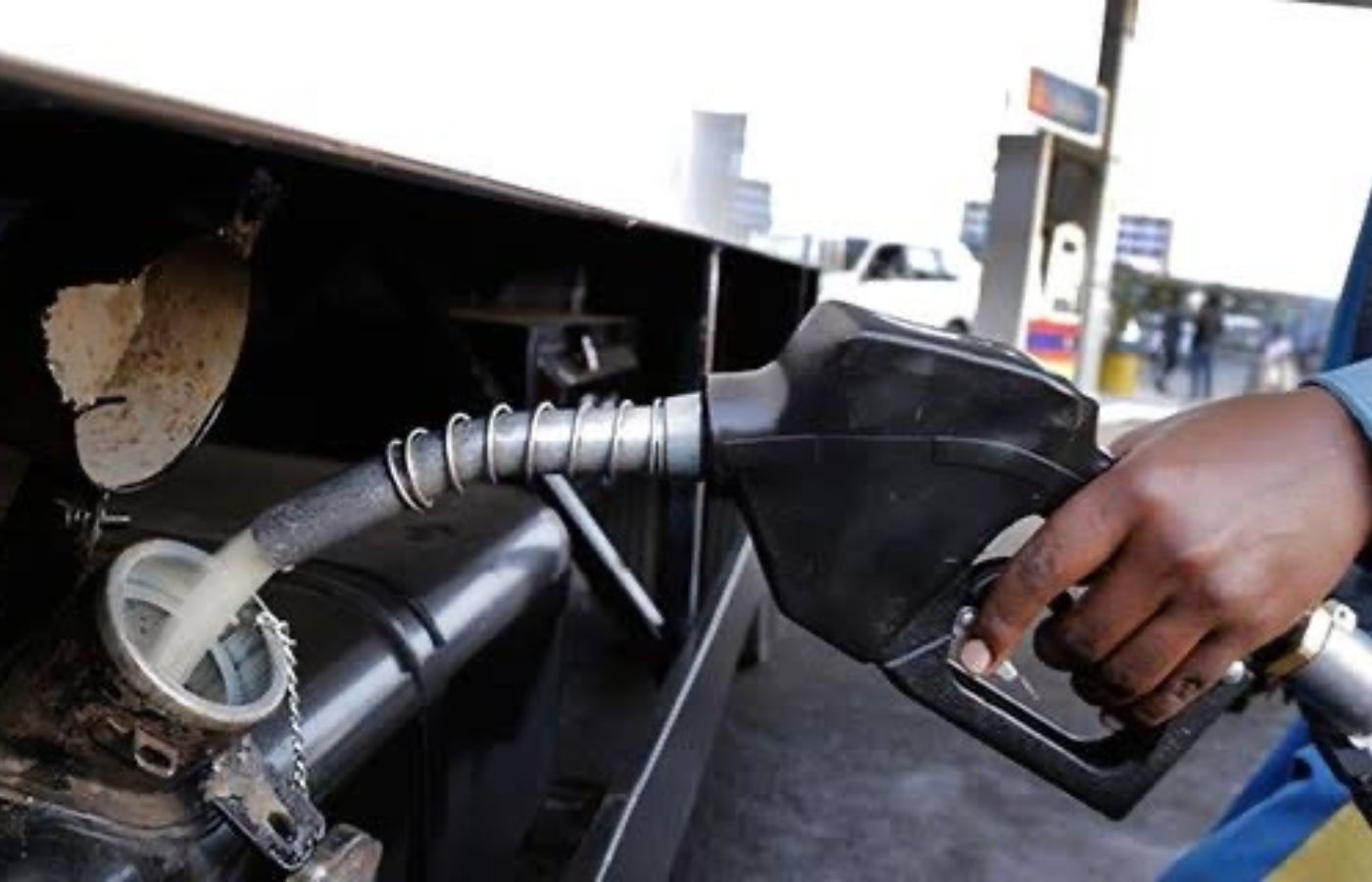
Emergency spot purchases pushed diesel costs to about 270 US dollars a barrel as the country secured only 60 percent of its monthly diesel needs during March and April
Ethiopia paid as much as 300 US dollars a barrel for jet fuel and about 270 US dollars for diesel at the height of a recent supply crisis, after disruptions forced the country to turn to costly emergency purchases from the international spot market.
The figures are contained in the International Monetary Fund’s latest review of Ethiopia’s economic reform programme, which provides new details on the scale and cost of the fuel disruption.
The sharp increase followed a force majeure declaration by one of Ethiopia’s main fuel suppliers in early March, disrupting scheduled deliveries and leaving the country scrambling to fill the gap through short-term purchases.
Supplier premiums peaked at about 88 US dollars a barrel for jet fuel and 80 US dollars for diesel above international benchmark prices. Once shipping, insurance and financing costs were included, the total acquisition cost reached around 300 US dollars a barrel for jet fuel and 270 US dollars for diesel in April.
Ethiopia secured only about 60 percent of its normal monthly diesel requirements during March and April, leading to rationing, long queues at fuel stations and reduced traffic in Addis Ababa.
The shortages also forced some public servants to take leave and contributed to higher prices for fresh produce as transport disruptions affected the movement of goods into the capital.
Gasoline supplies were largely uninterrupted, but the diesel shortage had wider economic consequences because of the fuel’s importance to freight transport, agriculture, construction and industrial activity.
The crisis exposed Ethiopia’s vulnerability as a country that imports all its petroleum products, depends heavily on a small number of suppliers and relies exclusively on Red Sea ports for fuel deliveries.
Ethiopia relies on two principal fuel suppliers, making the country particularly vulnerable when one supplier suspends or reduces deliveries. Its dependence on Red Sea routes also creates logistical and storage constraints and adds to the cost of transporting petroleum products.
The country’s use of deferred letters of credit further increased procurement costs. Suppliers charged substantial premiums to compensate for delayed payment, shipping risks, rerouting and insurance expenses.
Fuel supplies began recovering in May after the government expanded spot-market purchases. Most visible shortages eased, although the country continued to face significant foreign-exchange and financing pressures.
By the end of May, diesel costs had fallen from their April peak but remained elevated. The benchmark price stood at about 155 US dollars a barrel, with an additional average premium of around 35 US dollars under 360-day payment arrangements.
Switching from deferred payments to immediate settlement could reduce supplier premiums, but it would also require Ethiopia to provide more foreign currency upfront at a time when demand for hard currency remains high.
Fuel imports account for a major share of the country’s foreign-exchange needs. A prolonged increase in international energy prices or another disruption in supply could place renewed pressure on reserves, inflation and economic activity.
The crisis came amid conflict in the Middle East that disrupted trade routes, raised global fuel prices and affected several channels important to Ethiopia’s economy.
Middle Eastern markets receive about 19 percent of Ethiopia’s non-gold goods exports, while the Gulf accounts for roughly 35 percent of remittance inflows.
Ethiopian Airlines also faced sharply higher jet-fuel costs and supply risks. The carrier suspended some Gulf routes during the disruption, although passenger and cargo rerouting partly offset the impact.
The government responded by raising domestic fuel prices in March and April while temporarily applying value-added and excise taxes below their statutory rates to soften the immediate effect on consumers.
Annual inflation rose from 9.4 percent in March to 11.7 percent in April, driven mainly by food and household fuel costs. Higher transport and energy expenses risk feeding into the prices of other goods and services if the pressures persist.




