


Ethiopia is preparing to approve its first policy formalising the cinema and creative industries, a move designed to provide legal protections for artists while enabling the government to share in the economic benefits generated by the sector.
The creative economy in Ethiopia spans film, music, fashion, digital arts, and cultural festivals, directly employing hundreds of thousands and offering significant potential for job creation, particularly among youth and women. Yet, despite this promise, the sector has long been held back by regulatory gaps, weak intellectual property enforcement, and limited access to international markets.
Persistent challenges such as piracy, inadequate infrastructure, and constrained funding have further stifled growth. Previous frameworks, including the 2015 National Cultural Policy and the 2017 Film Policy, provided broad guidance but fell short of delivering actionable strategies to drive sector expansion or capture economic value.
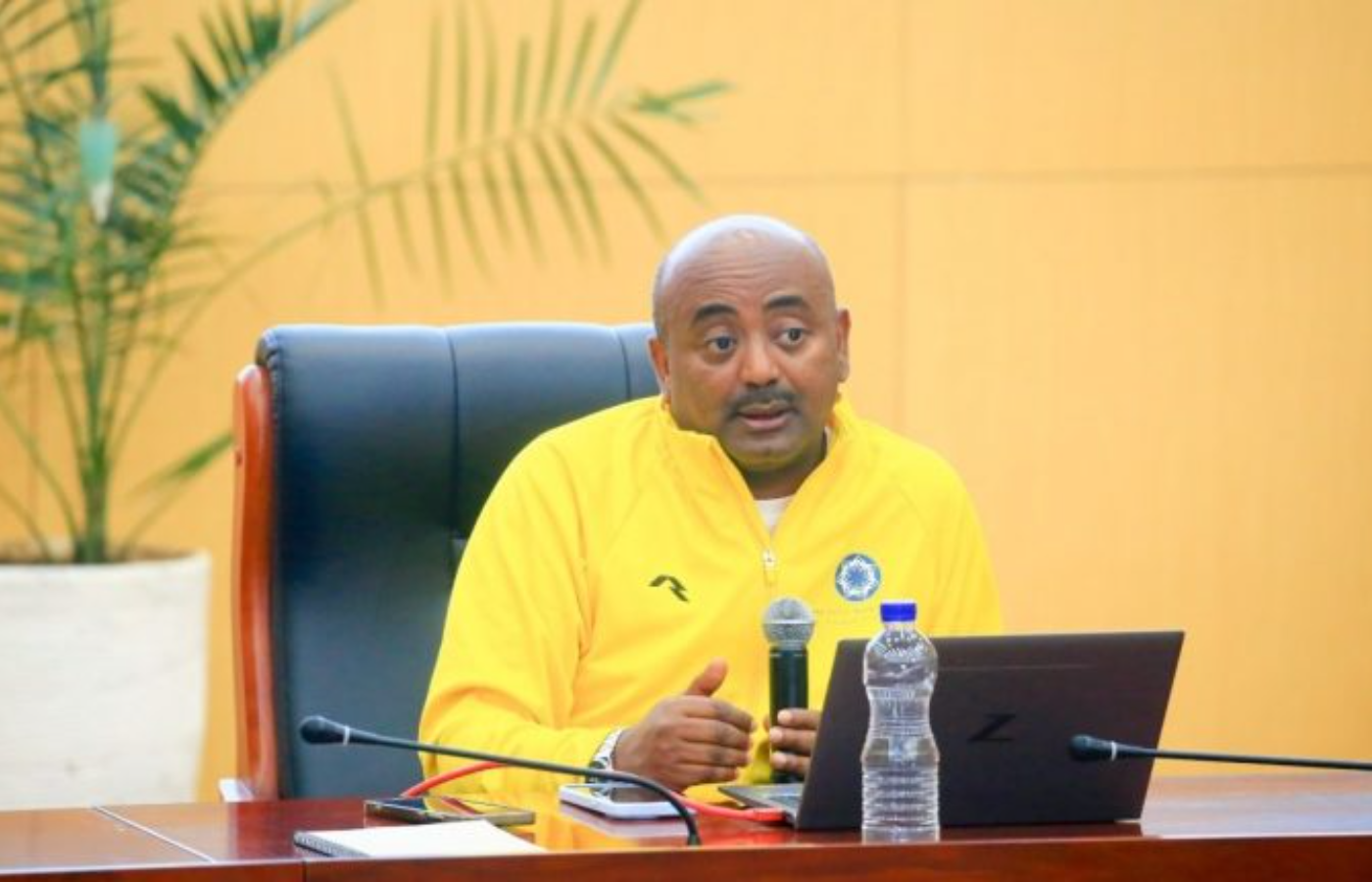
Nebiyou Baye, state minister of culture and sports, said the policy will address these challenges by safeguarding artists’ rights, resolving copyright disputes, and tackling issues posed by evolving technology.
“It will preserve Ethiopia’s artistic and creative assets, including music, film, and literature, while expanding their reach internationally,” Nebiyou told Birrmetrics. “The policy ensures professionals in the sector receive legal protection and that their work is monetised fairly.”
While Ethiopia’s cinema industry commands admiration locally, its international footprint remains limited, despite a handful of films reaching foreign audiences. Domestically, the sector faces mounting challenges as social media reshapes viewer habits, shortening attention spans and diverting audiences away from traditional cinema experiences.
Critics argue that for much of the past decade, the industry has relied on familiar genres, resulting in a predictable narrative landscape. Recently, however, a wave of unconventional crime-themed films has begun to emerge, drawing curiosity but also sparking debate. Early audience reactions shared widely on social media praise production quality, yet consistently point to thin scripts, suggesting that while technical execution is improving, storytelling remains a work in progress.
The draft policy, developed with input from scholars and industry experts, outlines measures to research, preserve, and promote Ethiopia’s creative outputs. It also proposes mechanisms to increase the economic share of individuals working in the cinema and broader creative industries. Once approved, the government will participate directly in the sector, overseeing resources generated through traditional and digital platforms, including social media.
“Naturally, the arts sector has long required structured government support,” Nebiyou added. “This policy is essential to unlocking the economic and cultural potential that Ethiopia’s creative sector has yet to realise.”




