

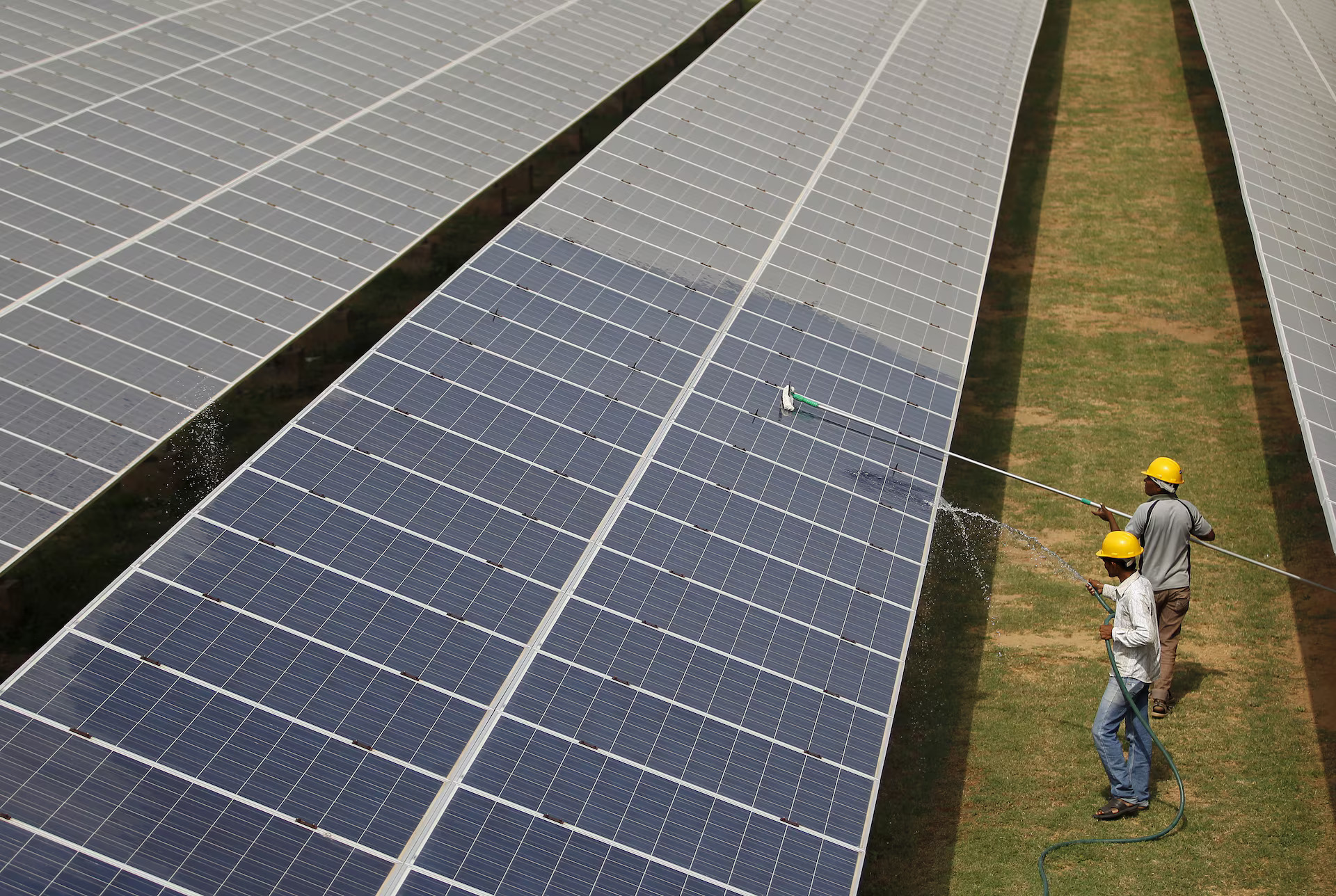
Ethiopia recorded a 390 percent year-on-year increase in solar photovoltaic imports, according to a new report by the Energy Transitions Commission (ETC), as the Strait of Hormuz disruption reshaped global energy markets and accelerated demand for renewable technologies.
The figure was published in the ETC’s Lessons on Energy Security after the Hormuz Crisis, which examines how countries are responding to what it describes as the largest recorded oil supply shock.
The report said the closure of the Strait of Hormuz disrupted 18.4 million barrels per day of crude oil flows, alongside around 20 percent of global liquefied natural gas trade and about one-third of internationally traded fertilisers. It added that the disruption has had its strongest effects on import-dependent economies, with the majority of oil and gas passing through the strait destined for Asia.
Within this context, the ETC noted a broad acceleration in renewable energy adoption, with 50 countries recording record-high solar photovoltaic imports. Ethiopia’s 390 percent increase placed it among the fastest-growing solar markets highlighted in the report.
The commission said Chinese solar exports also doubled in March compared with February, reflecting a wider global shift towards clean energy technologies as fossil fuel markets remain volatile.
Energy prices have risen sharply since the disruption. Asian benchmark crude oil prices climbed from about 70 US dollars per barrel to between 90 and 120 US dollars, while liquefied natural gas prices rose from around 10 to 12 US dollars per million British thermal units to more than 25 US dollars. The ETC estimates Europe is losing close to 500 million euros per day as a result of the shock.
The report said higher fossil fuel prices are feeding through transport, food, household energy and industrial costs, with import-dependent economies particularly exposed.
It also warned that sustained high fossil fuel prices could add between 1 trillion and 2 trillion US dollars in additional global oil and gas expenditure in 2026, reflecting higher costs for the same level of energy consumption.
The ETC drew a structural distinction between fossil fuel and clean energy systems, arguing that fossil fuels transmit shocks through global commodity markets, while renewables are more resilient due to their reliance on upfront capital investment.
Adair Turner, co-chair of the Energy Transitions Commission, said fossil fuel dependence exposes economies to both economic and strategic risks. “Clean energy systems are more distributed, more efficient and less exposed to the price shocks created by continuous dependence on traded fuels,” he said.
Jules Kortenhorst, also co-chair, said global energy systems remain vulnerable to external disruptions. “Three quarters of the world's population depend on fuels they do not control,” he said.
The report outlined five policy priorities for governments: expanding renewable electricity, accelerating electrification of transport, scaling electric heating and cooking, developing green fuels and fertilisers, and improving energy efficiency.
It cautioned against new fossil fuel investment that could lock in long-term exposure to price volatility, while acknowledging that some countries may require temporary reliance on existing coal and gas infrastructure during the transition.




