

Prime minister says ambitious housing programme will accompany double-digit growth, export expansion and continued subsidies as government seeks to broaden the benefits of economic reforms.
Ethiopia plans to build 1.5 million homes over the next five years in an effort to ease the country's chronic housing shortage, Prime Minister Abiy Ahmed (PhD) told parliament on Monday, outlining one of the government's largest housing commitments as part of its medium-term development agenda.
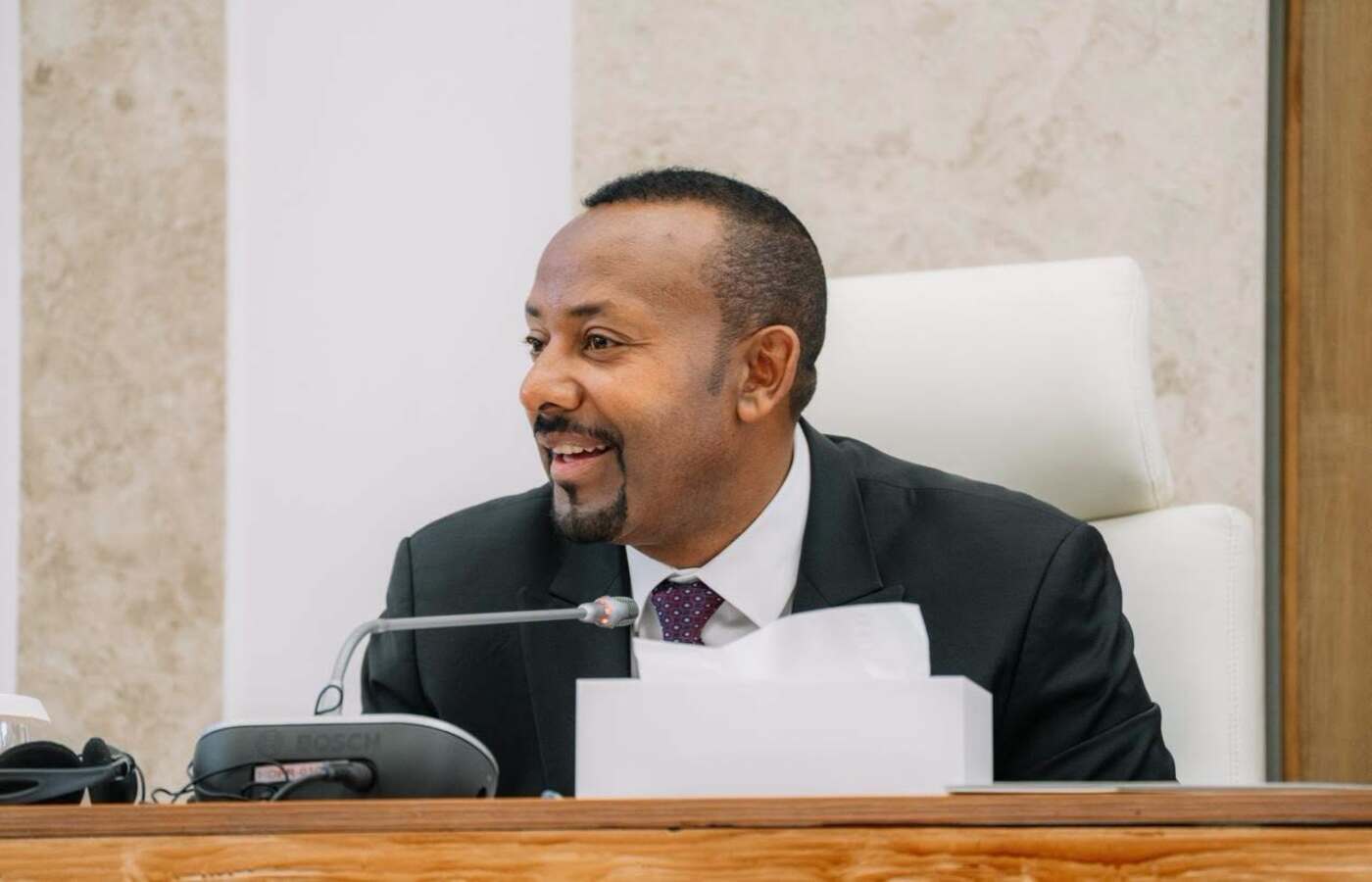
Speaking during the 30th regular session of the House of People's Representatives' fifth legislative year, Abiy said the housing programme would form part of broader efforts to ensure that the gains from Ethiopia's economic reforms are shared more widely across the population.
"We have planned to construct 1.5 million houses over the next five years to address citizens' housing challenges," the prime minister told lawmakers while responding to questions on the government's performance during the 2025/26 fiscal year and its plans for the 2026/27 fiscal year.
Abiy said Ethiopia continued to record rapid growth across agriculture, industry, energy and services, adding that the economy is expected to expand by more than 10.2 percent during the 2026/27 fiscal year.
He said the government is also targeting more than 11 billion US dollars in export earnings during the fiscal year as it seeks to strengthen foreign exchange inflows and support the country's macroeconomic reform programme.
The prime minister said the government remained committed to ensuring that the benefits of economic growth reached all citizens. He added that subsidies on fuel and fertiliser would continue to cushion households from inflationary pressures stemming from domestic economic reforms and global conflicts.
He also said the government had created employment opportunities for around 5,000 Ethiopians both at home and overseas during the 2025/26 fiscal year.
The housing pledge comes as Ethiopia faces a longstanding shortage of affordable urban housing driven by rapid population growth, urbanisation and rising demand. The government has previously expanded public housing programmes, but demand has continued to outpace supply, making housing one of the country's most persistent social and economic challenges.




