

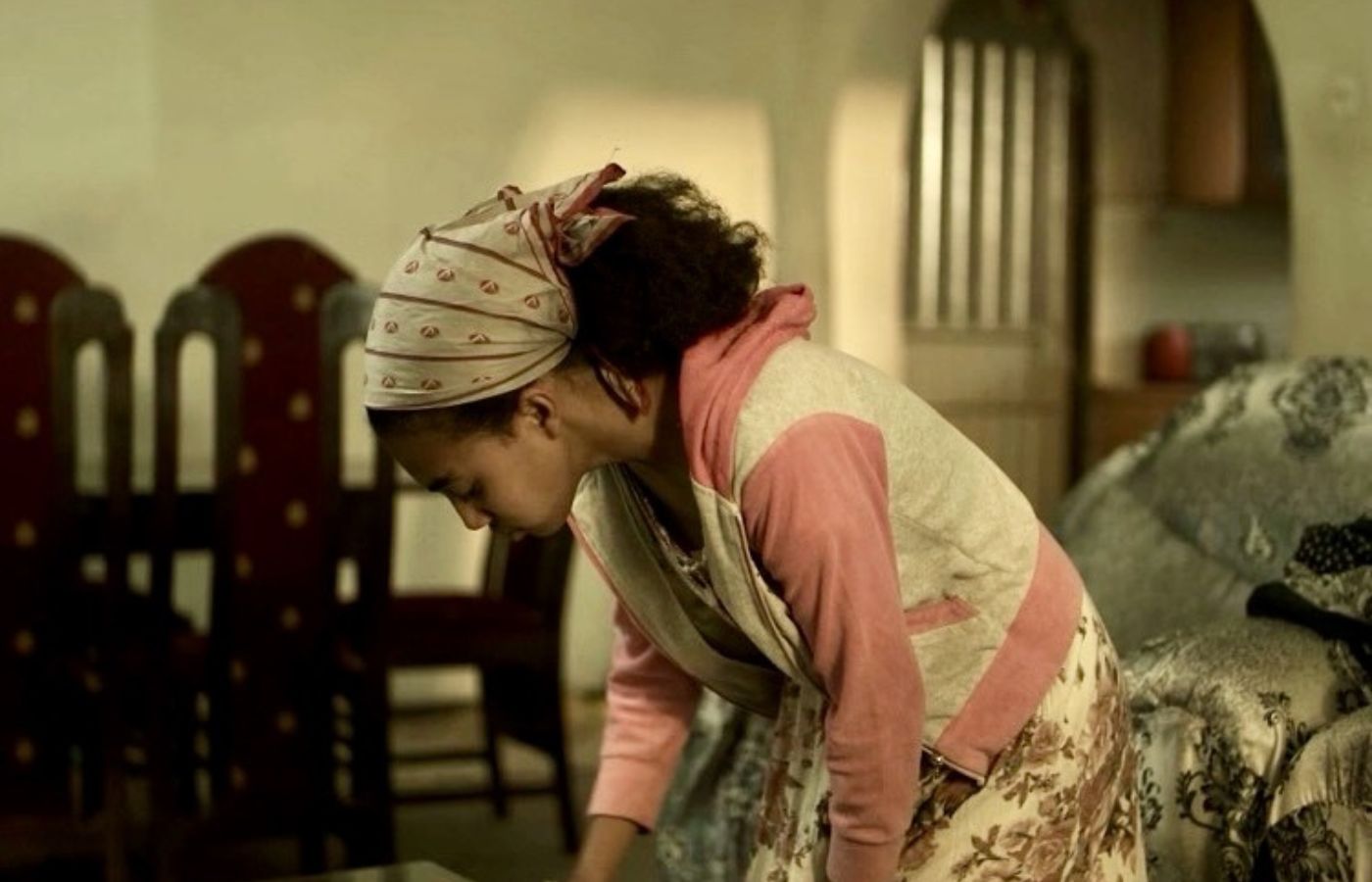
Domestic workers in Ethiopia could soon be required to undergo formal training and obtain competency certification before entering the profession under a draft regulation being reviewed by the government.
The Ministry of Labour and Skills has submitted the draft regulation to the Ministry of Justice, proposing that domestic workers complete training through Technical and Vocational Education and Training (TVET) institutions and pass a Certificate of Competence (CoC) assessment.
The proposal forms part of efforts to professionalise domestic work, establish minimum skill standards and improve recognition of domestic workers within the labour market.
The draft regulation was discussed on Tuesday at a stakeholder consultation organised by the Forum for Social Studies (FSS). The meeting brought together officials from the Ministry of Labour, representatives of domestic workers' associations, researchers and journalists to gather feedback on the proposed framework.
For years, domestic work in Ethiopia has largely been organised through informal agreements between households and workers, often facilitated by brokers. This has made it difficult to track the size of the sector, establish employment standards and ensure access to labour protections typically available in formal workplaces.
Speaking during the discussion, Hirut Abera, president of the Andinet Domestic Workers' Union, said the draft law would also require domestic workers to register under the Ministry of Labour and Skills' Labour Market Information System, replacing the largely informal arrangement in which workers and employers often connect through brokers.
The training will target skills for domestic workers to communicate well with their employers
According to Hirut, the regulation seeks to address long-standing challenges facing domestic workers, including unfair treatment and the absence of clear employment standards.
The proposal introduces provisions governing working conditions, employment relationships and job classifications within the domestic work sector. Domestic workers would be limited to eight working hours per day and 48 hours per week under the draft.
Previous research by the UK-based anti-slavery organisation Freedom Fund, in partnership with the Population Council, found that child domestic workers in Addis Ababa worked an average of 55 hours per week, while 25 percent worked more than 70 hours weekly and 40 percent reported having no weekly rest day.
The regulation would also classify domestic work into specific occupational categories, allowing workers to be employed based on certified skills and areas of competence.
Participants at the consultation noted that the regulation has been under discussion for nearly a decade, moving between various government institutions before reaching its current stage. Its submission to the Ministry of Justice signals progress toward formal adoption after years of deliberation.
While stakeholders welcomed the draft regulation as a major step towards recognising domestic work as a formal occupation, they warned that moving a sector built largely on informal relationships into a regulated system could be difficult.
Participants said the proposal represents a shift from a market where employers and workers often rely on personal arrangements and brokers to one based on certification, registration and defined labour standards. They cautioned that translating these rules into everyday household employment may require significant adjustments from both workers and employers.
Concerns were also raised over whether some provisions, including the eight-hour daily working limit, reflect the realities of domestic work, where duties are often shaped by household routines rather than fixed schedules.
Stakeholders further warned that the cost of formalisation could create new barriers for low-income households if training and CoC certification expenses are transferred into higher wages or service costs.
Participants also called for stronger dispute resolution provisions, saying the draft needs clearer mechanisms to handle conflicts between domestic workers and employers as the sector transitions into a more formal labour system.
Journalists sought additional details on the draft regulation from a representative of the Ministry of Labour and Skills during the consultation, but the official did not provide further comments on the proposal.




