

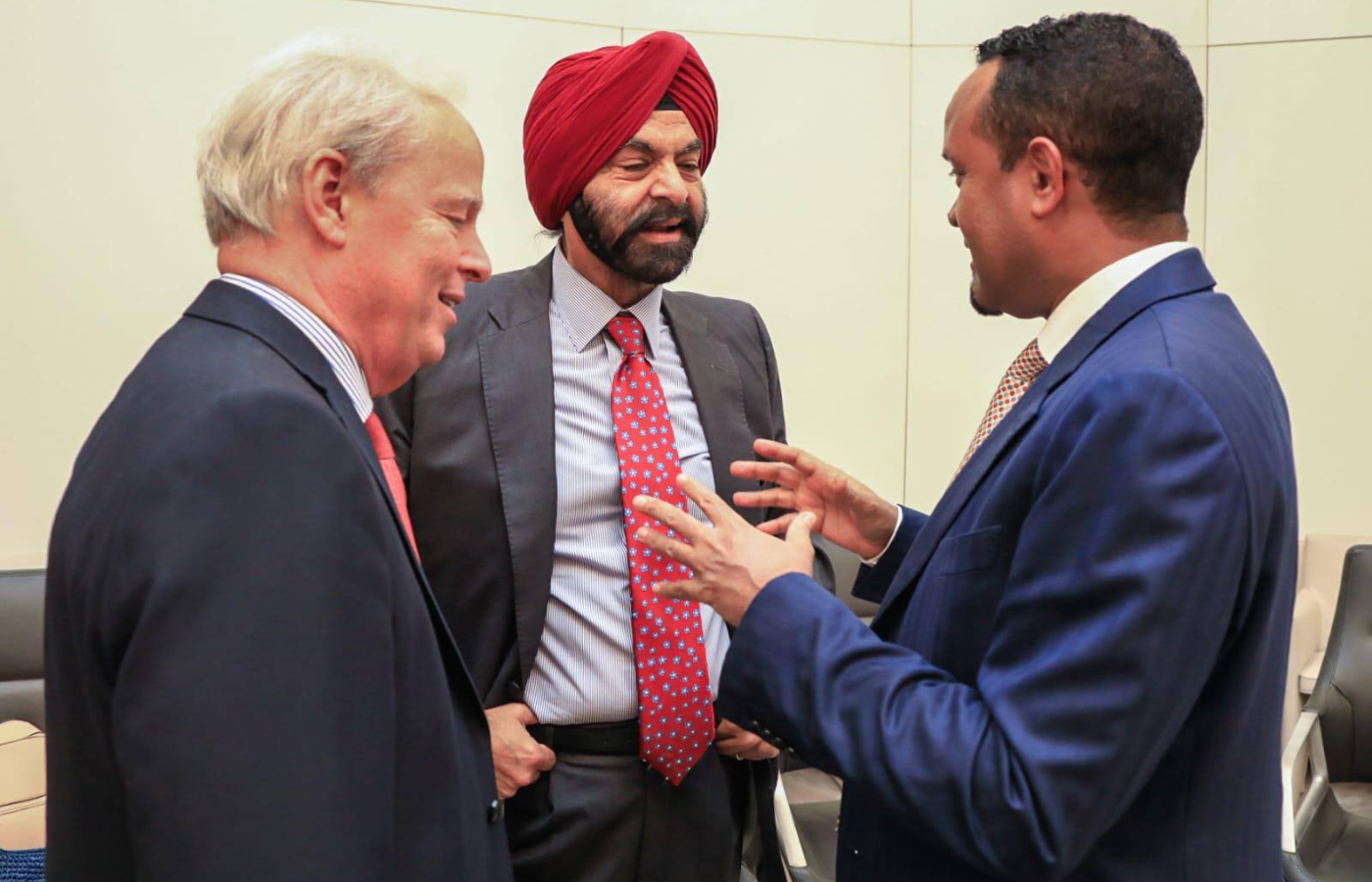
Ethiopia called for a more efficient process to finalise its debt restructuring at the Global Sovereign Debt Roundtable, held during the 2025 World Bank-IMF Annual Meetings.
Finance Minister Ahmed Shide highlighted that Ethiopia reached an initial agreement on restructuring terms with its official creditors in March, a milestone recorded in a Memorandum of Understanding in July 2025.
The AIP, or preliminary agreement, lays out debt relief measures worth approximately 3.5 billion US dollars over the period 2023–2028, aimed at restoring debt sustainability and improving Ethiopia’s external debt profile. Bilateral negotiations with individual creditor countries and Eurobond holders are still ongoing.
Ethiopia had proposed measures to restructure debt obligations, while bondholders suggested alternative mechanisms, such as a “Value Recovery Instrument” tied to future export performance. Legal action remains a possibility, underscoring the complexity of reaching final agreements with private creditors.

“While the framework has delivered tangible results, the transition from an initial agreement to fully executed deals remains slow,” the Minister said. He urged the establishment of a more streamlined and timely pathway to convert preliminary terms into final agreements, cautioning that delays could reduce the effectiveness of international debt treatment mechanisms.
Ethiopia became one of the first countries to seek relief under the G20 Common Framework for Debt Treatments, an initiative designed to assist low-income countries with unsustainable debt levels while ensuring equal treatment of all creditors. Previous successes under the framework include Zambia and Ghana, which have completed restructurings with official creditors.
The Global Sovereign Debt Roundtable, co-chaired by IMF Managing Director Kristalina Georgieva, World Bank President Ajay Banga, and South Africa as the current G20 co-chair, reviewed progress under the G20 Common Framework and discussed measures to enhance its efficiency.




