

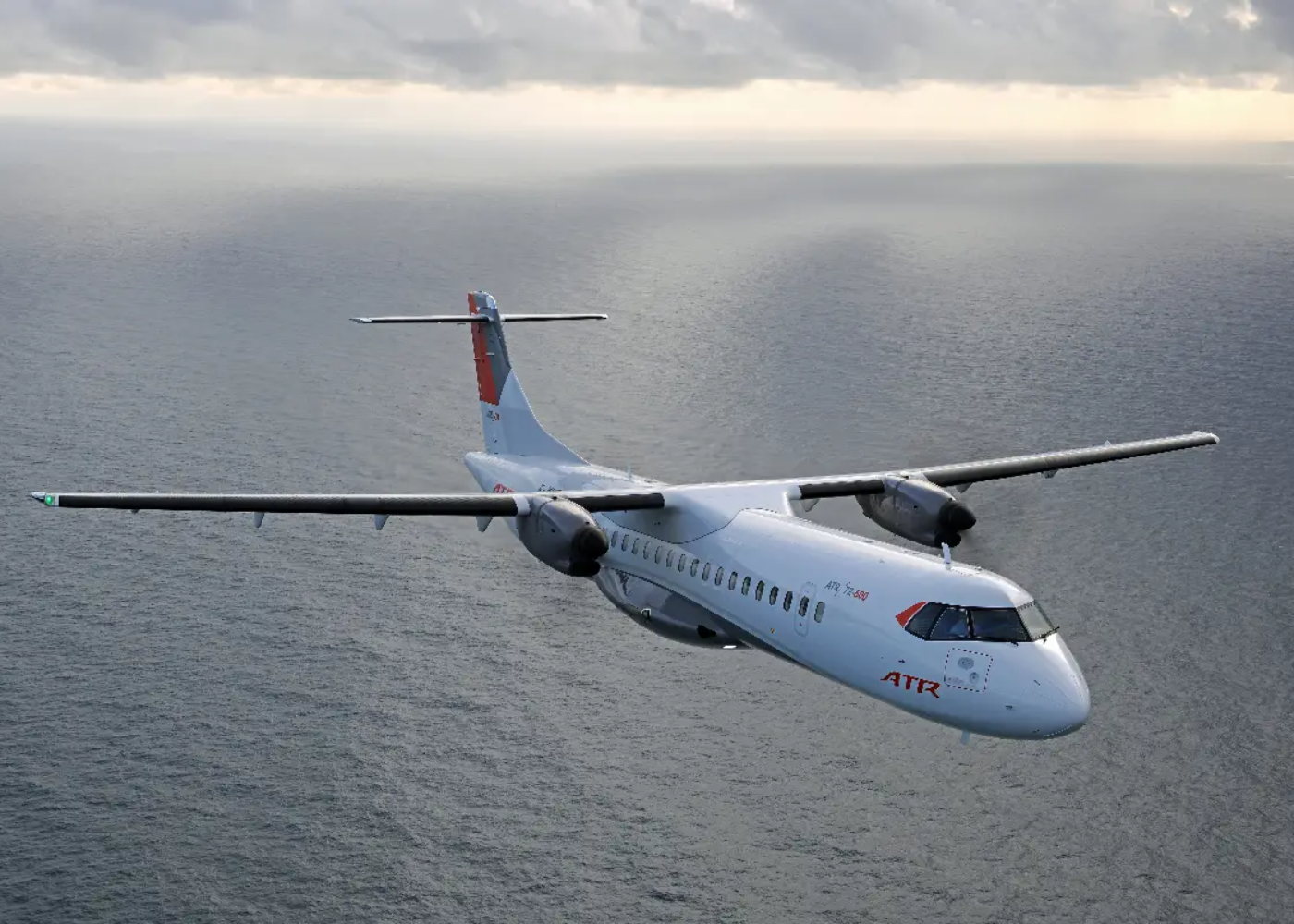
Ethiopian Airlines Group is adding two new ATR 72-600 turboprop aircraft through a leasing agreement with global lessor Abelo, as it steps up efforts to expand its footprint in central Africa via its partner carrier Air Congo.
The aircraft will be deployed on regional routes operated by Air Congo, supporting the young airline’s plans to grow capacity and extend its network across underserved markets, according to statements from the companies on Tuesday.
The deal reflects a broader push by Ethiopian Airlines to deepen intra-African connectivity through partnerships and equity investments in smaller carriers, a strategy it has pursued over the past decade to consolidate its position as the continent’s largest airline group.
Abelo said the delivery of the new aircraft would enable Air Congo to scale up operations and improve route coverage, particularly in markets where demand is growing but infrastructure constraints limit the use of larger jets. The ATR 72-600, which typically seats about 70 passengers, is widely used for short-haul routes due to its lower fuel consumption and ability to operate from smaller airports.
Stephen Gorman, chief executive of Abelo, said the agreement highlighted the increasing importance of Africa in the global turboprop leasing market, noting that the segment is well suited to the continent’s fragmented aviation landscape.
Industry data show that African air travel demand has been recovering steadily following pandemic-era disruptions, with regional connectivity remaining a key bottleneck due to limited direct links between secondary cities and high operating costs on thin routes.
Ethiopian Airlines has sought to address these gaps by backing or launching partner airlines across the continent, including in Zambia, Malawi and the Democratic Republic of Congo, often combining equity stakes with operational support and fleet provision.
Mesfin Tasew, chief executive of Ethiopian Airlines Group, said the additional aircraft would strengthen Air Congo’s operational capacity and support efforts to improve connectivity within Africa.
The expansion comes as airlines across the continent increasingly turn to smaller, fuel-efficient aircraft to serve regional markets, amid rising cost pressures and infrastructure limitations that continue to shape route economics.




