

Ethiopian Airlines, Africa’s largest carrier, has said a shortage of wide-body aircraft will continue to limit its growth over the next two years.
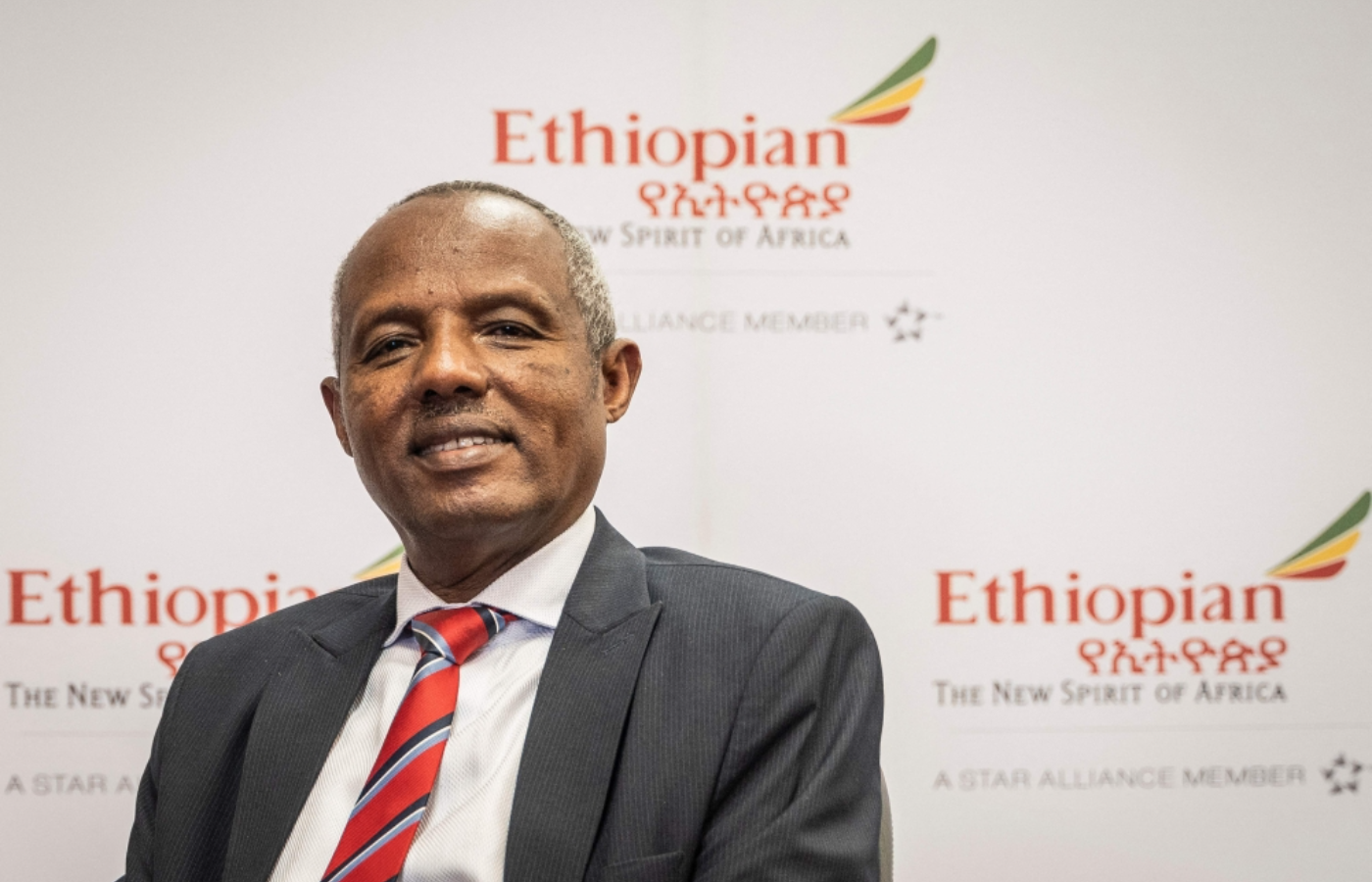
Chief Executive Officer Mesfin Tassew indicated that the airline is currently recording annual passenger growth of 12 to 15 percent, below its potential. He noted that under the current circumstances, growth could not exceed 15 percent due to the aircraft shortage and suggested that without this constraint, the airline could have expanded at a faster pace.
The supply bottleneck affects mainly wide-body aircraft, which are essential for long-haul international routes. These jets allow airlines to carry more passengers and cargo per flight, increasing revenue potential on high-demand routes. Their larger fuselage and multiple aisles also enhance passenger comfort, making them central to maintaining competitiveness in global aviation markets.
Ethiopian Airlines is taking steps to expand its fleet, including agreements to acquire up to 20 Boeing 777X jets and multiple wide-body aircraft from Airbus. These moves are part of the airline’s broader Vision 2035 strategy, which aims to nearly double fleet size and increase passenger traffic by 2035.
Operational challenges are further compounded by global supply chain disruptions. Some domestic and international jets have been grounded for extended periods due to delays in engine components, affecting overall capacity and maintenance schedules.
The airline is also investing in infrastructure to support long-term growth. A new international airport near Bishoftu, 45 kilometres southeast of Addis Ababa, is under development with an estimated cost of 10 billion US dollars and a planned capacity of 100 million passengers annually. The project has received funding commitments from the African Development Bank and Ethiopian Airlines itself.




