Ethiopia’s bold experiment with exchange rate liberalisation is yielding mixed results, as the Ethiopian Birr weakens and inflation pressures mount, according to a new report from the Ethiopian Economics Association (EEA).
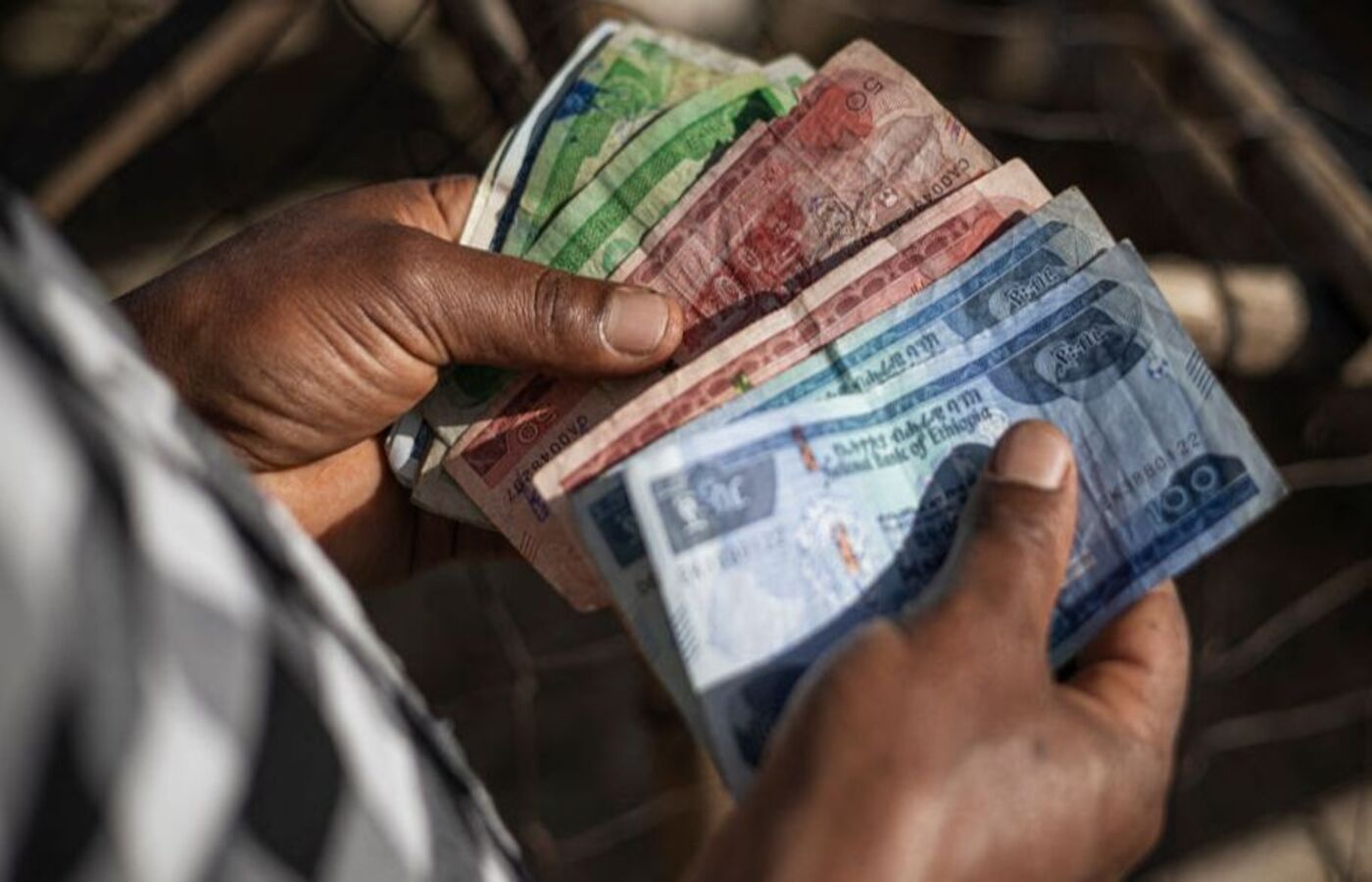
The shift to a floating exchange rate regime in July 2024 has seen the ETB slide 11.5 percent against the US dollar between mid-September and December, hitting 127.92 birr/USD by year-end.
While the move aims to align the currency with market forces, it has stoked inflationary fires and exposed structural frailties in east Africa’s second-most populous nation.
The EEA’s Quarterly Macroeconomic Updates, released in February, tracks the birr’s depreciation alongside a narrowing gap between official and parallel market rates—from 65 ETB in July to 14 birr by December.
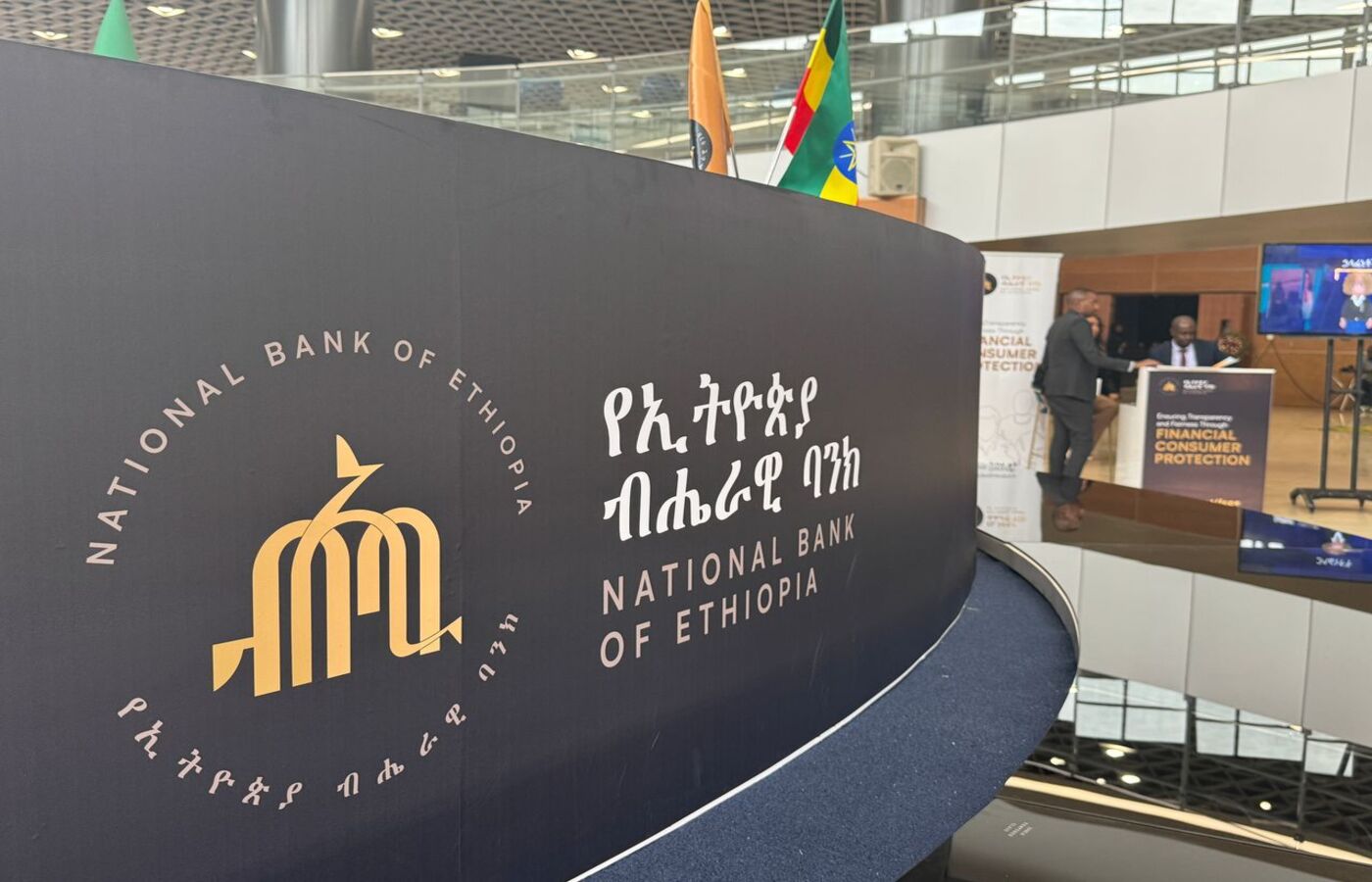
Policy shifts, including a National Bank of Ethiopia (NBE) cap on bank bid-ask spreads at two percent in October, have bolstered market efficiency.
Yet, volatility persists: a November ban on the Franco Valuta system, an informal forex workaround for importers, triggered a 3.7 percent drop in the birr’s value that month, with subsequent analysis suggesting only a fleeting stabilisation.
For investors, the currency’s trajectory signals both risk and opportunity. A weaker ETB could enhance export competitiveness—coffee and sesame are key earners—but it inflates the cost of imports critical to Ethiopia’s 28.9 billion US dollars external debt and consumer staples like fuel and wheat.
“The depreciation is a double-edged sword,” notes an expert. “It’s necessary for long-term adjustment, but short-term shocks are testing resilience.”
Inflation, meanwhile, remains a thornier issue. Headline rates hit 2.4 percent month-to-month in September 2024, with food inflation—spiking at 5.59 percent for vegetables—outpacing non-food at 11.58 percentfor education.
Regional disparities are stark: Benishangul-Gumuz and Amhara logged quarterly averages above 30 percent, driven by conflict-disrupted supply chains, while Harari held at 17.2 percent.
The report ties this to exchange rate pass-through, with a correlation of 0.71 between non-food inflation and the birr/USD rate. Beyond a 100 birr/USD threshold, food price rises accelerate, portraying Ethiopia’s import reliance.
The NBE’s tight monetary stance since August 2023 has tempered demand-side pressures, but supply-side bottlenecks—poor infrastructure, low export diversity, and insecurity—keep inflation volatile.
The EEA urges a multi-pronged fix: bolster forex reserves via exports and remittances, streamline logistics, and diversify beyond commodities. “Without structural reform, stability will remain elusive,” warns the expert.