

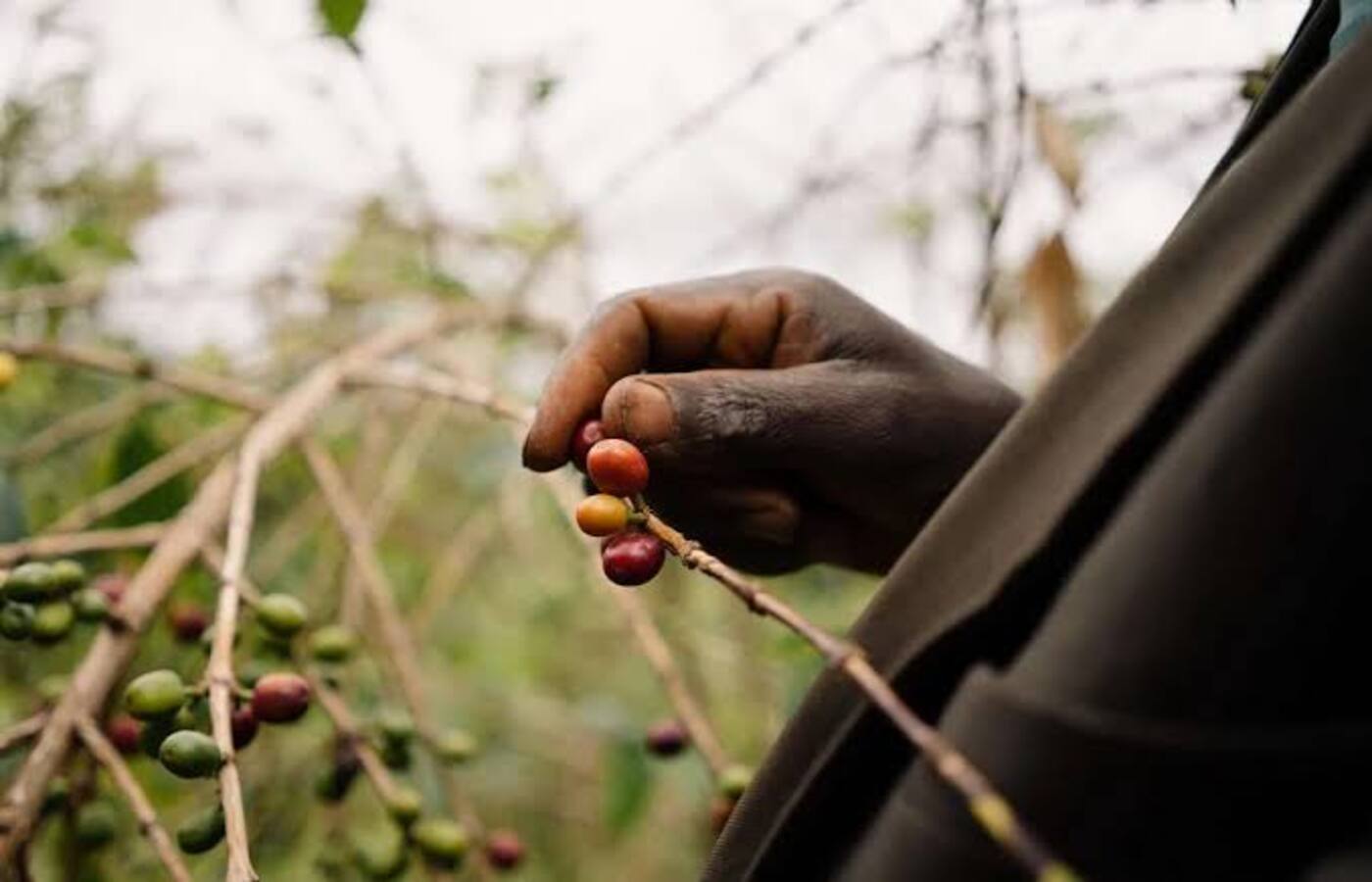
Ethiopia’s coffee fields, lush with the arabica beans that gave the world its morning ritual, are at a crossroads.
The United States, which consumes 100 billion US dollars worth of coffee annually, imposed a 10 percent tariff on most coffee imports starting 5 April 2025, part of President Donald Trump’s “Liberation Day” trade shake-up.
For Ethiopia, Africa’s top coffee producer and the world’s fifth-largest arabica exporter, this policy could reshape a sector that accounts for 30-35 percent of its export revenue.
With the US absorbing roughly 20 percent of Ethiopia’s coffee exports, the stakes are high for the 25 million people—nearly a fifth of the population—tied to the industry.
A Fragile Boom
Ethiopia’s coffee exports have shown resilience despite global headwinds. In the 2023/24 fiscal year, the country shipped 240,000 tonnes, earning 1.3 billion US dollars, with the US ranking as its third-largest market behind Saudi Arabia and Germany.
The Ethiopian Coffee and Tea Authority projects a 5.67 percent annual growth rate for the coffee market through 2030, driven by demand for Ethiopia’s floral Yirgacheffe and spicy Harar varieties.
Yet, production for 2024/25 is forecast at 8.35 million 60kg bags (501,000 tonnes), a modest one percent rise from the prior year, constrained by climate change and rising costs.
Global coffee prices offer a glimmer of hope.
Green bean prices hit 7.50 US dollars per pound in January 2025, a 213 percent surge from 2.40 US dollars in August 2024, fueled by supply shortages.
For Ethiopian farmers, producing a kilo of coffee at roughly 3.30 US dollars, this spike could boost incomes if demand holds. The 10 percent US tariff—lower than Vietnam’s 46 percent or Indonesia’s 32 percent—might tilt American buyers toward Ethiopia’s beans, which cost half the international rate per kilo after recent forex reforms.
US Consumers Feel the Heat
Across the Atlantic, the tariffs are brewing discontent. In Seattle, a café hub, a medium latte now costs 50 cents more, with some outlets reporting a 25 percent price hike to cover pricier Colombian and Brazilian beans.
Foot traffic is thinning as customers brew at home or skip extras like oat milk. The National Coffee Association warns that sustained price rises could dent the 100 billion US dollars US coffee market, where 62 percent of adults drink coffee daily. If demand falters, Ethiopia’s hoped-for export gains could vanish.
Risks on the Ground
Ethiopia’s tariff advantage is no panacea. Its arabica, prized for complexity, competes with robusta’s lower price and Latin America’s shorter shipping routes.
Smallholder farmers, who produce 95 percent of Ethiopia’s coffee, often earn just 10-20 percent of the retail price, with exporters and roasters pocketing the rest.
The World Bank has championed techniques like coffee stumping—pruning trees to boost yields—which tripled output for some Oromia farmers.
Yet, it cautions: “Climate change and market volatility threaten long-term gains. Ethiopia must diversify and add value locally to secure its coffee economy.” Rising temperatures and erratic rains already shrink suitable land, with lowland areas like southwest Ethiopia projected to lose 30-60 percent of coffee viability by 2050.
A Temporary Reprieve
A 90-day tariff pause, effective until 8 July 2025, caps rates at 10 percent for most countries, delaying steeper duties like Vietnam’s 46 percent. This window could let Ethiopia lock in US contracts, but the future is murky.
In Ethiopia, where coffee is culture and lifeline, the tariff gamble tests an industry steeped in tradition yet battered by modern pressures. Cafés in New York and London may tweak their menus, but in Ethiopia, farmers wait to see if global shifts will lift their fortunes—or leave them brewing uncertainty.




