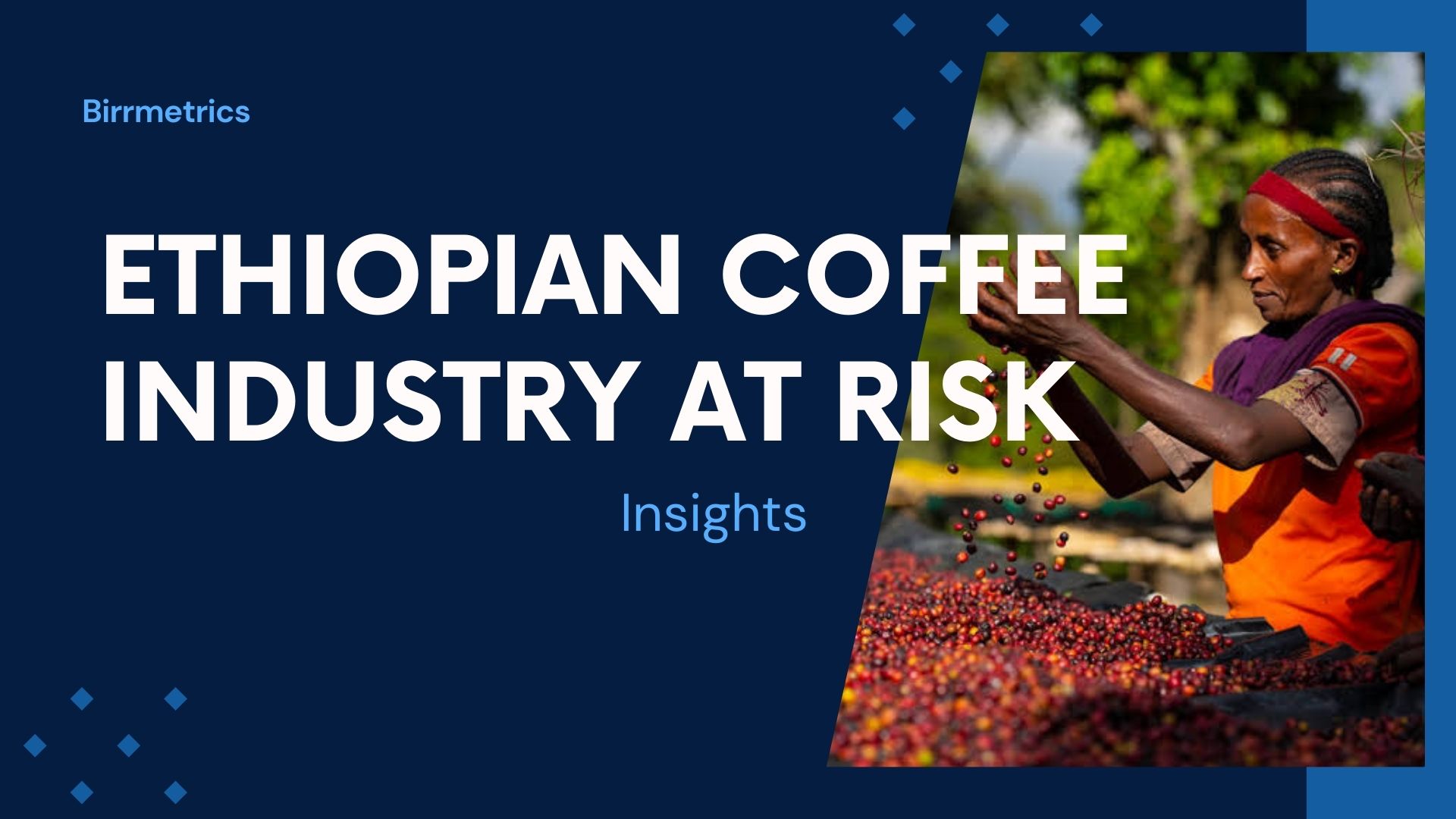
The impending implementation of the European Union Deforestation Regulation (EUDR) is already having unintended consequences for coffee importers and small-scale farmers in Ethiopia and other countries in Africa. The EUDR aims to combat climate change by banning the sale of goods linked to deforestation.
However, compliance with the regulation is proving costly and challenging for importers, leading to a drying-up of orders and potential long-term effects on global commodities markets. This article examines the impacts of the EUDR on coffee imports, the challenges faced by importers and small-scale farmers, and the potential consequences for forest conservation efforts.
Impact on Coffee Imports and Small-Scale Farmers
Importers of coffee to the European Union, including major companies like JDE Peets and Dallmayr, are already scaling back purchases from small farmers in Africa due to the anticipated challenges of complying with the EUDR. Ethiopia, where over 16 millions of farming families rely on coffee, has experienced a significant decline in orders. German roaster Dallmayr has already expressed concerns about the future availability of Ethiopian coffee, as compliance requirements for the EUDR necessitate sourcing EUDR-compliant beans even before the law's implementing acts are finalized.
The potential exclusion of smaller producing countries from supply chains due to compliance challenges is a cause for concern.
Coffee traders fear that this could increase small-scale farmer poverty and raise prices for EU consumers. Furthermore, it may undermine the EUDR's intended impact on forest conservation. For instance, Coffee, which constitutes a substantial portion of Ethiopia's export earnings, is important for the livelihoods of farmers and the country's economy, contributing over 1.4 billion dollars in export proceeds yearly. The shift of roasters to larger, wealthier Brazilian farmers highlights the potential consequences for small-scale farmers in developing countries.
Challenges of Compliance and Supply Chain Traceability
The EUDR requires importers to trace their supply chains digitally, down to the specific plot where raw materials were grown. This poses considerable challenges, particularly for commodities sourced from remote regions with patchy internet coverage. Traders and industry experts also highlight the difficulties in obtaining accurate data on farm ownership due to land rights disputes, weak law enforcement, and local conflicts. The burden of compliance is not only on importers but also on millions of small-scale farmers who lack awareness of the EUDR and struggle to collect the required data within the given timeframe.
Potential Consequences for Forest Conservation
The EUDR's effectiveness in forest conservation may be compromised if major companies resort to redirecting raw materials from countries with compliance challenges to non-EU markets. Segregated supply chains, where non-compliant goods are still grown on deforested land but not for EU consumption, could diminish the intended impact of the regulation. This raises concerns about the long-term efficacy of the EUDR in combating deforestation and addressing climate change.
Additionally, the unintended consequences of the EUDR could result in the loss of cultural and biodiversity heritage associated with commodity production. Traditional farming practices, indigenous knowledge, and unique varieties of crops could be threatened if small-scale farmers are unable to comply with the regulation and sustain their agricultural practices. This loss extends beyond economic impacts and has implications for the preservation of cultural identities and biological diversity.
Potential Solutions and Recommendations
To mitigate the unintended impacts of the EUDR, the European Commission has initiated several measures to assist producing countries and smallholders in compliance. Financial support has been pledged to help developing countries meet the regulation's requirements and tap into the growing global demand for sustainably sourced products. However, there is a need for further cooperation and support to ensure that small-scale farmers can adapt to the new regulations effectively.
In the case of major cocoa-producing countries like Ivory Coast, where traceability is challenging, finding viable solutions becomes crucial. Balancing the need for forest conservation with the socio-economic well-being of local communities is a complex task. Reclassifying heavily degraded areas as agricultural land and promoting smallholder-owned agroforestry holdings could be a potential approach. Collaboration between the EU and producing countries is essential to develop sustainable strategies that preserve forests while safeguarding the livelihoods of those dependent on commodity production.
To address the challenges faced by developing countries like Ethiopia in meeting the requirements of the EUDR, it is essential to extend the implementation timeline indefinitely. This extension would provide more time for developing countries to build the necessary infrastructure, improve traceability systems, and enhance the capacity of small-scale farmers to comply with the regulation.
By extending the implementation period indefinitely, the European Union can demonstrate its commitment to supporting developing countries in their efforts to meet the EUDR requirements. This extension should be accompanied by continued financial support and technical assistance to ensure that these countries have the resources and knowledge needed to achieve compliance.
Additionally, a phased approach could be considered, allowing for a gradual transition towards full compliance. This approach would take into account the specific challenges faced by developing countries and provide them with a realistic and achievable timeline to meet the requirements of the EUDR. It would also enable these countries to address systemic issues such as land rights disputes, weak law enforcement, and local conflicts that hinder compliance efforts.
Furthermore, the European Union should engage in ongoing dialogue and collaboration with developing countries to understand their unique circumstances and challenges. This collaboration should involve sharing best practices, exchanging knowledge, and co-developing solutions that align with the goals of forest conservation and sustainable commodity production.
In conclusion, extending the implementation of the EUDR indefinitely, accompanied by continued support, a phased approach, and collaborative efforts, can help ensure that developing countries like Ethiopia and Ivory Coast can meet the requirements of the regulation. This approach recognizes the complexities and challenges faced by these countries and promotes a sustainable and inclusive approach to forest conservation and commodity trade.