

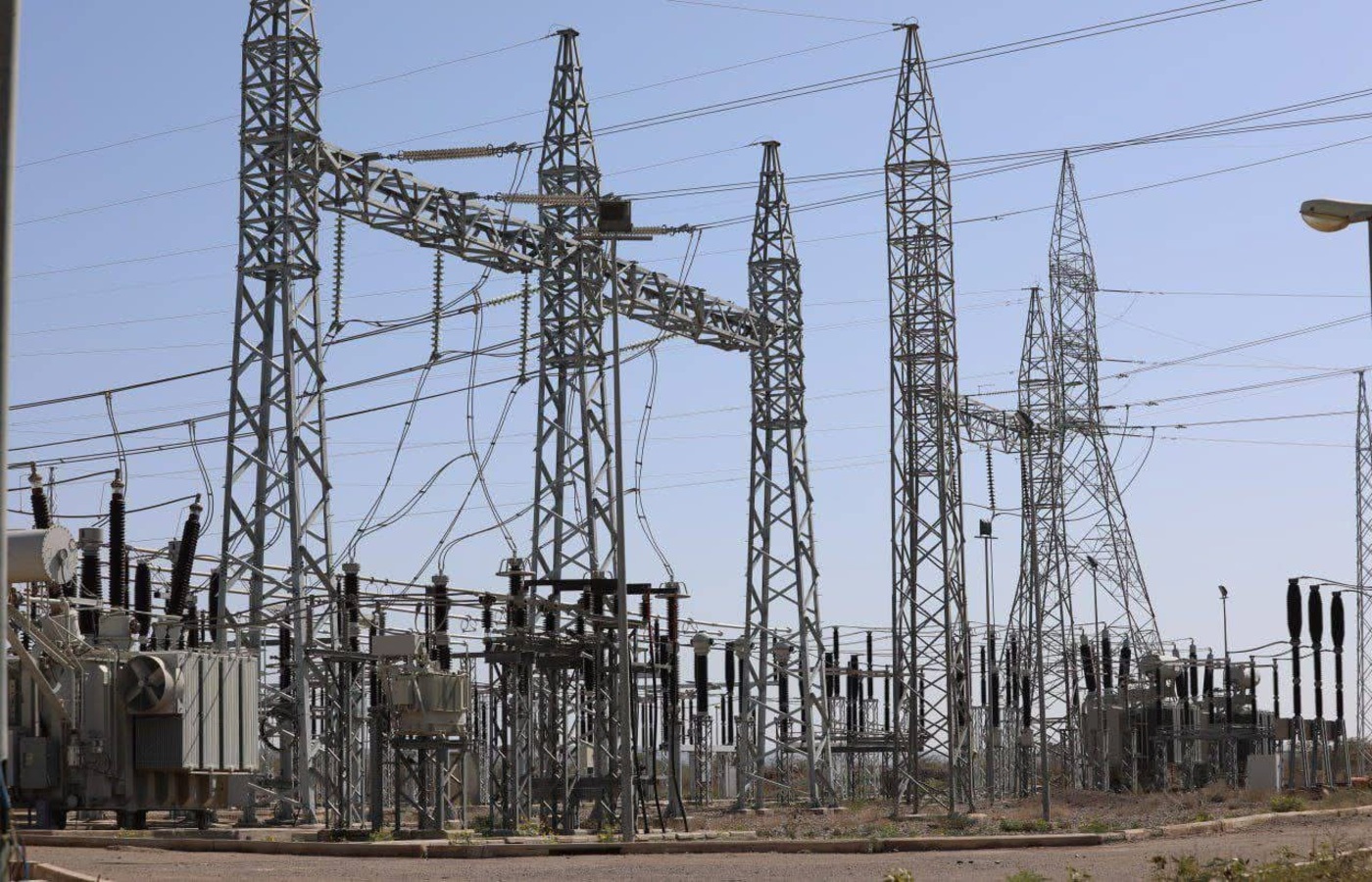
Ethiopia's state power generator narrowed its losses in 2024, but mounting finance costs and currency pressures continue to strain the utility as it pushes ahead with ambitious hydroelectric projects.
Ethiopian Electric Power reported a 10.1 billion birr (82 million US dollars) loss for the year ended July 7, an improvement from the previous year's 24.8 billion birr loss. Revenue rose 21 percent to 27.1 billion birr, buoyed by domestic power sales and exports to neighboring countries.
But the company's finance costs remained stubbornly high at 25.2 billion birr, highlighting the burden of servicing its massive debt load.
The audited financial statements for the year ending July 7, 2024, reveal that rising finance costs were driven primarily by mounting interest on domestic and foreign loans, coupled with significant foreign exchange losses.
The company’s total interest expense on domestic loans alone reached 11.2 billion birr, while foreign loans added another 2.3 billion birr.
With much of Ethiopian Electric Power’s debt denominated in foreign currencies, the depreciation of the Ethiopian Birr has also significantly increased the cost of servicing external loans, further straining the company’s financial position. Foreign exchange losses hit nine billion birr during the last fiscal year.
"The numbers reveal the precarious position of Ethiopia's power sector," says an energy expert. "While operational improvements are visible, the debt trap remains a serious concern."
The utility, which is building Africa's largest hydroelectric dam, faces a delicate balancing act between funding infrastructure expansion and maintaining financial stability. Its transmission losses stand at 17 percent, well above international standards, eating into potential revenues.
Power export deals with Sudan, Djibouti, Kenya and Tanzania offer some hope. The company expects cross-border sales to grow as new transmission lines come online, potentially providing much-needed foreign currency earnings.
But with interest payments consuming nearly all of its revenue, pressure is mounting for dramatic reforms. After years of resistance, Ethiopian officials have recently signaled openness to private investment in the power sector – a move that analysts say could help ease the utility's debt burden and improve operational efficiency.




