

Ethiopia’s buy now, pay later (BNPL) market is projected to approach 58.84 million US dollars by 2034, as digital payments deepen and consumer appetite for instalment-based purchasing gathers pace.
The market is expected to expand at a compound annual growth rate of 19.8 percent between 2026 and 2034, rising from 11.58 million US dollars in 2025, according to a report by IMARC Group, a market research and consulting firm.
The projection rests on a swift shift in how Ethiopians transact. Mobile money accounts have climbed from fewer than one million in 2020 to more than 128 million by early 2025, laying the groundwork for digital credit to scale. Policy momentum is building under the National Bank of Ethiopia’s Phase Two National Digital Payments Strategy for 2025 to 2029, alongside gradual liberalisation of the financial sector that is opening space for new lending models.
E-commerce is another driver. The report estimates the market at 29.78 billion US dollars, expanding at an annual rate of 25.77 percent, creating demand for flexible payment options among a young and increasingly connected population.
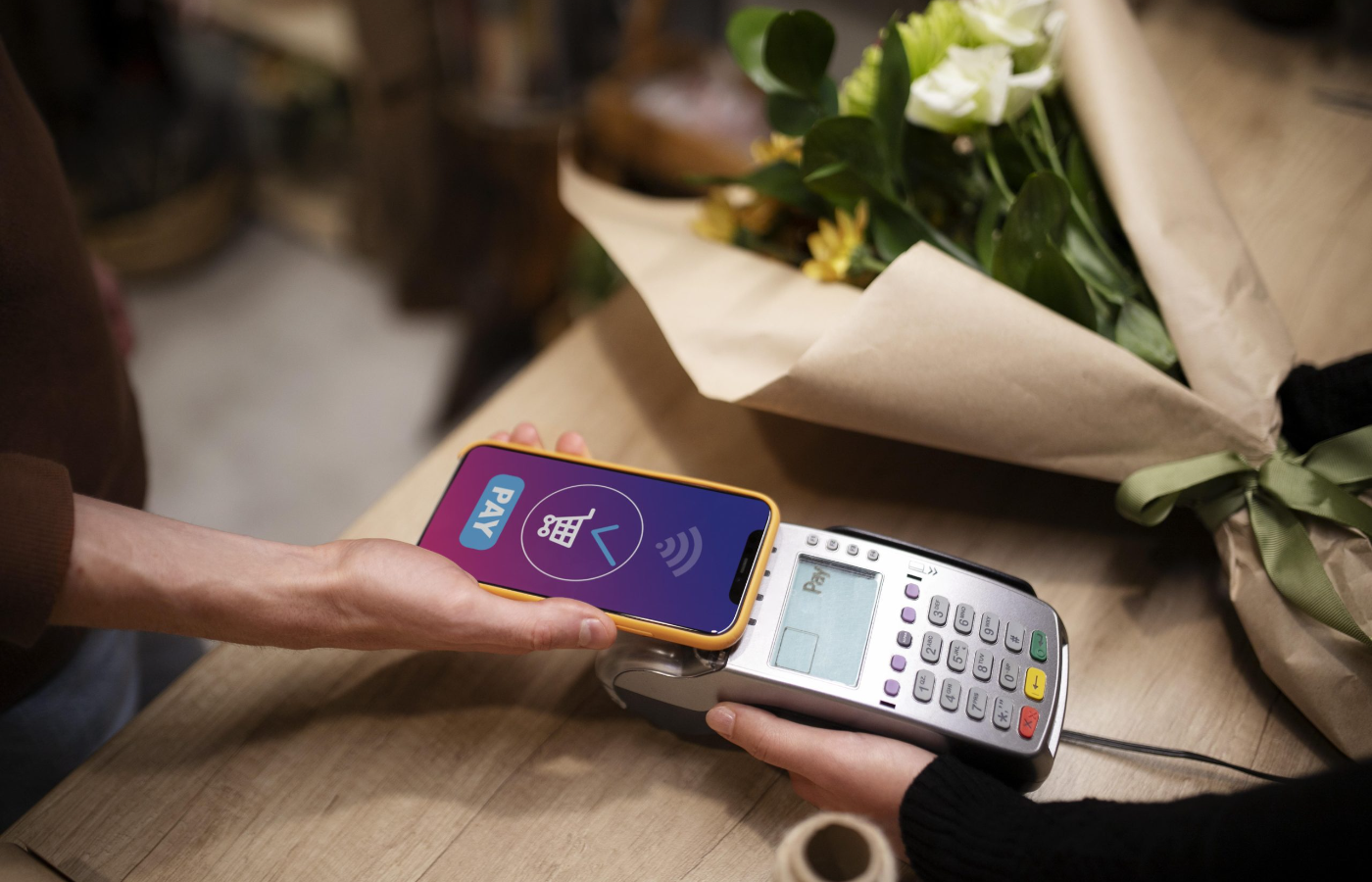
“Point-of-sale BNPL adoption at physical retail locations is an emerging growth frontier, as QR code-based payment systems and POS terminal networks expand across Ethiopian urban centres,” the report said. “Merchants are recognising that offering instalment payment options at checkout increases average transaction values and customer conversion rates, particularly for higher-value purchases.”
Online channels account for 58.7 percent of BNPL usage, reflecting the close link between instalment-based credit and digital commerce. Large enterprises hold a 62.4 percent share, with established retailers, consumer electronics chains and healthcare providers leading adoption, supported by stronger technical capacity and partnerships with fintech providers.
“These enterprises have the technical infrastructure, customer volumes, and merchant partnerships with fintech providers needed to offer structured instalment plans, while SME adoption is expected to accelerate as digital payment platforms simplify BNPL integration for smaller merchants,” the report noted.
The study also points to cross-border models linked to remittance flows as a potential niche. Aligning repayment schedules with diaspora inflows could expand purchasing power for households with irregular but predictable income streams.




