


The Ethiopian Investment Commission has warned that a shortage of skilled local professionals is constraining foreign investors, despite a 10 per cent limit on expatriate hiring.
Officials told reporters on Monday that fast-growing sectors such as technology, artificial intelligence, crypto mining, and AI-driven machinery are struggling to find qualified workers, raising concerns that the gap between local talent and investor demand could limit the pace of new projects, even as Ethiopia continues to lure foreign capital through tax incentives and relaxed ownership rules.
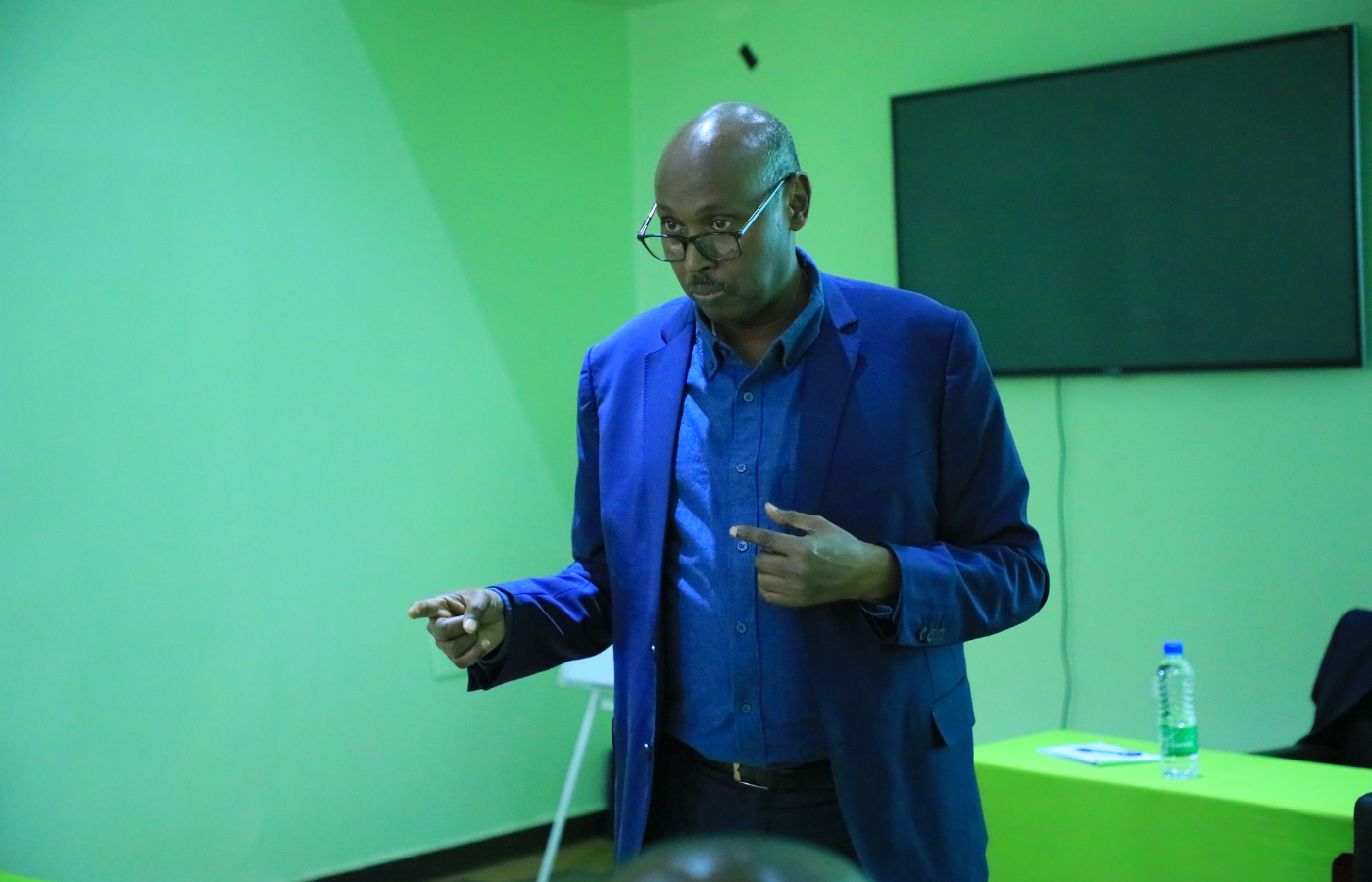
“The gap reflects weaknesses in our education system,” said Mesay Woldesemayat, the EIC’s director for investment treaties and legal affairs. “Training centres are not producing graduates fast enough to meet the needs of new investment.”
Under current regulations, foreign investors must demonstrate skill transfer and should contribute to job creation, with expatriate hiring capped at 10 percent for the first five years. “In certain cases, the quota may be extended to 15 percent,” said Ahmednur Yusuf, adviser to the commissioner.
The commission works with several government bodies, including the Ministry of Labour and Skills, to design and implement job-creation initiatives. Officials noted progress in manufacturing and textiles but acknowledged persistent gaps. “There used to be no technicians capable of installing machinery; that has improved. The textile sector has also advanced, though gaps remain. In some areas, regulation is still a challenge,” Mesay said.
The EIC also highlighted the absence of standards to measure knowledge transfer and ongoing difficulties in coordinating immigration services for investors. “We have skilled young people. The challenge is aligning their potential with policy,” Mesay added.
Ethiopia continues to offer a broad range of incentives to attract both local and foreign investors. Tax exemptions range from 1 to 15 years depending on sector and location. Exporters selling at least 60 percent of output outside special economic zones receive a two-year exemption; those exporting 80 percent from within SEZs qualify for the same. Firms operating outside major cities benefit from a three-year 30 percent reduction, while selected new ventures, tourist destinations, five-star hotels, lodges, and resorts receive five-year relief.
Capital requirements remain a key criterion for foreign participation. Investors must bring a minimum of 200,000 US dollar for wholly foreign-owned ventures, while joint ventures with local partners require at least 150,000 US dollar. Property ownership is allowed only for investors holding a minimum 150,000 US dollar equity stake.
The EIC recently reported that Ethiopia attracted four billion US dollar in foreign direct investment during the 2024/25 fiscal year, driven by rising permits and growing confidence in economic reforms. A total of 544 new and expanded investment licences were issued—308 to foreign investors, 109 to joint ventures, and 98 to domestic firms—across manufacturing, agriculture, ICT, and the newly opened import-export trade, which saw 61 new permits.
Investments within SEZs generated 123 million US dollar in export earnings, while projects outside zones contributed more than 543 million US dollar. Local production initiatives substituted over 1 billion US dollar in imports, supporting the trade balance and strengthening domestic industrial capacity.




