

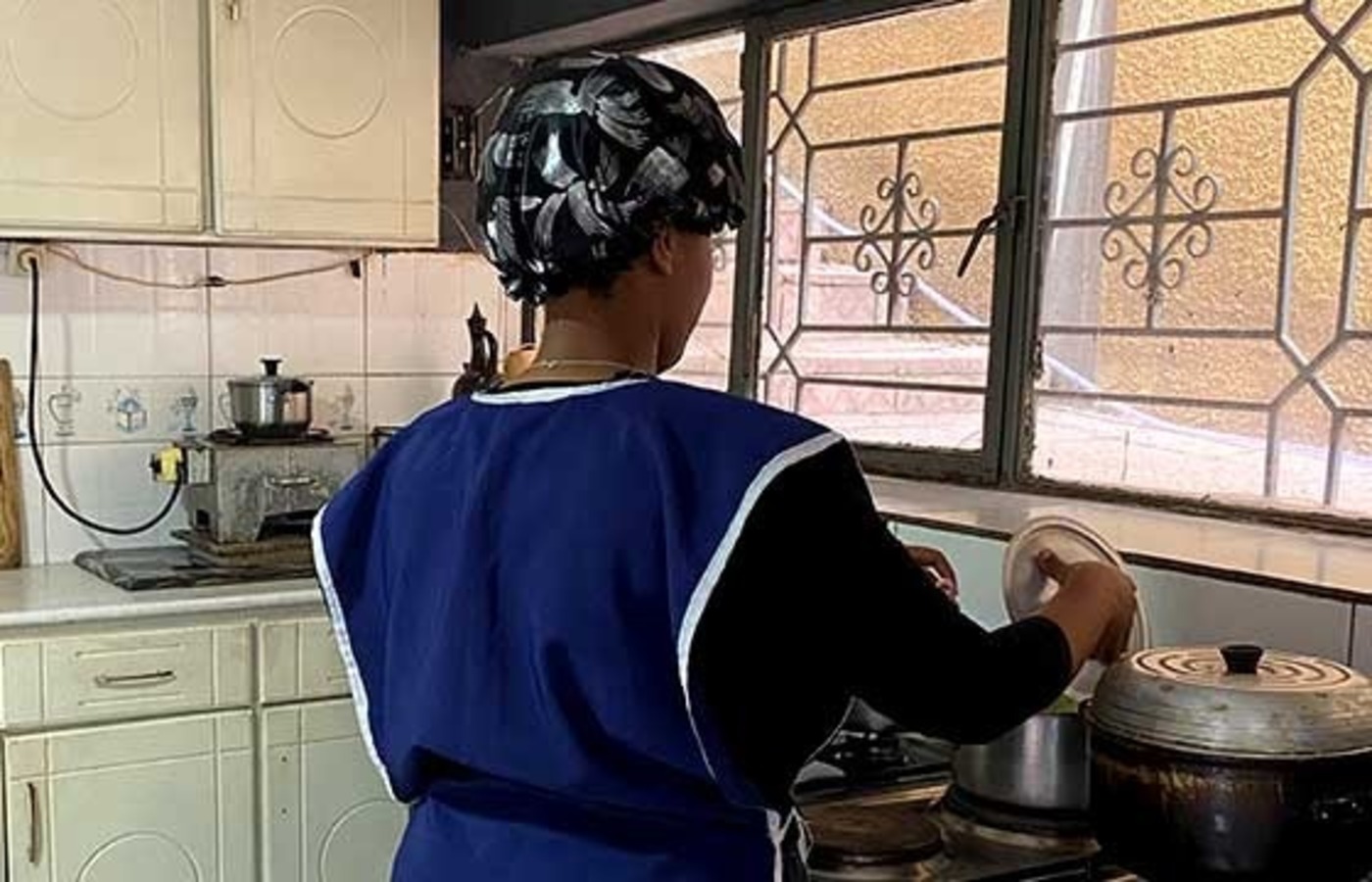
An Ethiopian civil society organisation is advocating for the introduction of a minimum wage and stronger legal protections for domestic workers, highlighting regulatory gaps in one of the country’s most informal labour sectors.
The Forum for Social Studies (FSS), an independent policy research group based in Addis Ababa, has developed a model legal framework aimed at extending labour protections to domestic workers, who are largely excluded from existing labour codes. The proposed framework was drafted in consultation with various stakeholders and seeks to address issues related to low pay, irregular working conditions, and the absence of formal recognition.
Key provisions of the proposal include the establishment of a legally mandated minimum wage and an eight-hour working day. According to FSS, these measures are intended to provide basic labour standards for a workforce that operates mainly in private households.
“Without legal recognition and clear standards, domestic workers are often denied basic rights,” said Professor Mussie Mezgebe, a labour law expert involved in the initiative. He noted that the lack of statutory wage protections leaves many workers earning below subsistence levels.
The initiative coincides with broader policy discussions on labour reform in Ethiopia, where informal employment remains widespread. The International Labour Organization estimates that over 80 percent of employment in the country falls within the informal sector, with domestic work representing a considerable portion—largely carried out by women.
Participants in the Forum’s consultations pointed out that current legal frameworks offer limited protection or recourse for domestic workers who face unfair treatment. The proposed model law aims to formalise employment terms, establish mechanisms for dispute resolution, and introduce oversight provisions.
FSS stated that the draft framework is intended to serve as a starting point for legislative engagement with government institutions.




