

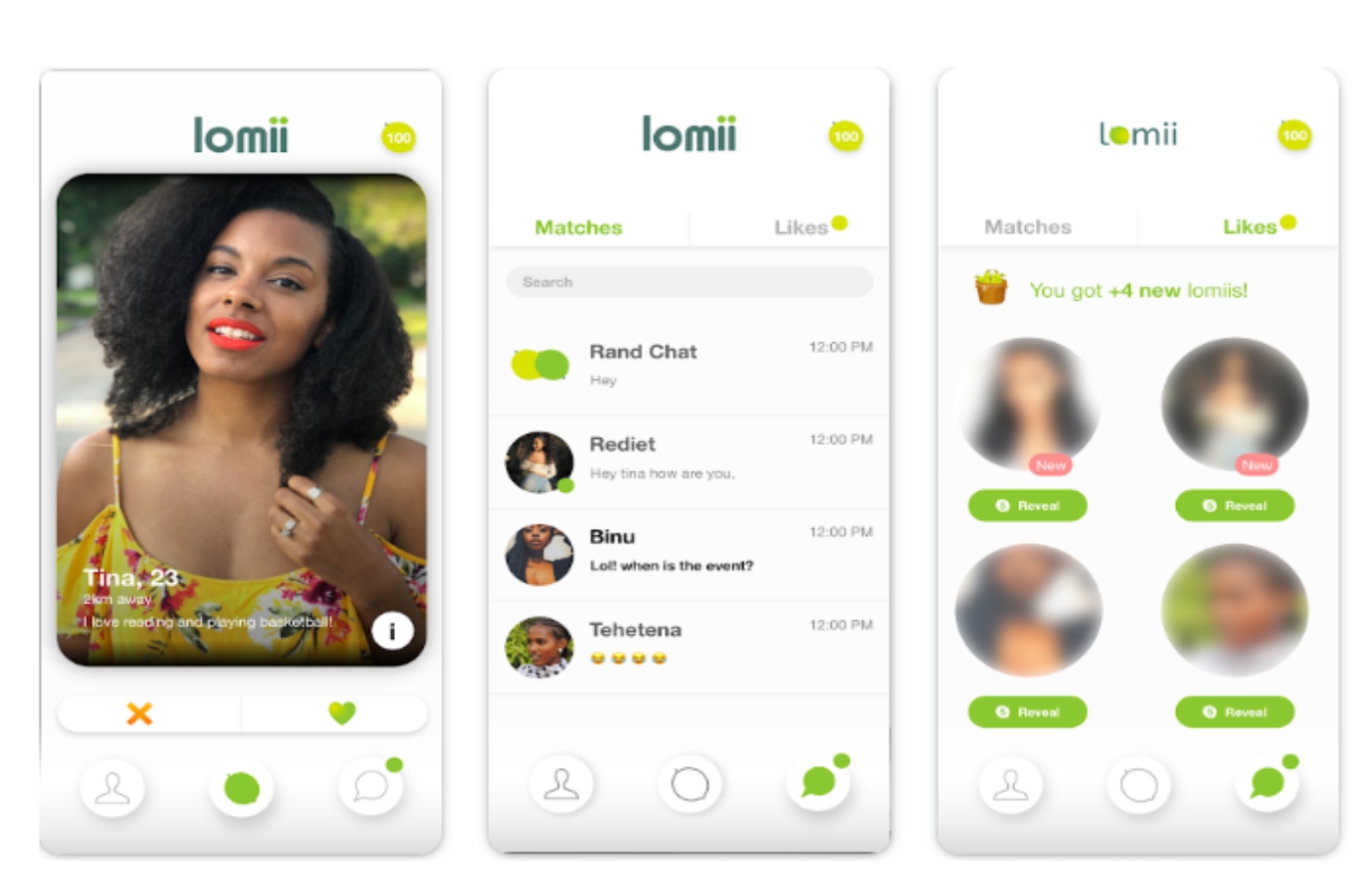
- How Two Friends Created Ethiopia's Premier Dating App
By Yared Seyoum
It was early 2020 in Addis Ababa, Ethiopia. Bereket Tafesse was sitting at home during one of the many lockdowns imposed due to the Covid-19 pandemic. Like many around the world, he was confined to his home with little to do each day besides work, exercise, and check social media.
Bereket's friend Ismael Kedir called him one afternoon. As they chatted more, Bereket and Ismael started dreaming up ideas for projects they could work on from home to pass the time. Bereket mentioned that he had noticed many more people using dating apps while confined at home with nowhere to meet potential partners in real life.
"You know, maybe there's an opportunity there," said Bereket thoughtfully. "All these dating apps like Tinder are focused on international markets. But what about something tailored specifically for Ethiopians here at home? Something simple to use that doesn't require international payment methods?"
Ismael's eyes lit up. "Now that's an idea! We know there's a demand, but nothing really serves the local market. What if we created an app just for connecting singles here in Ethiopia?"
The more they discussed it, the more excited Bereket and Ismael became about the potential. They had found the perfect project to dive into during lockdown that could also become a real business if successful. From that first phone call, Lomi was born.
Over the next few weeks, Bereket and Ismael spent all their free time conceptualizing what their dating app would look like. They poured over competitive analyses of existing apps around the world and identified gaps in the local Ethiopian market.
"Most dating apps just see people as another number. We want Lomi to focus on fostering meaningful relationships that lead to marriage and lasting partnerships. That's such an important part of Ethiopian culture that's missing from other platforms," said Bereket passionately.
They decided their mission would be to create a dating experience tailored specifically to local values and customs—an app where users felt respected, safety was a top priority, and relationships were built on substance, not just physical attraction. The thought of cultivating real connections that could result in marriages and families down the line really excited them. Bereket and Ismael saw Lomi not just as a business but as a way to positively impact the community.
Day by day, their shared vision came into clearer focus: an app that was simple and affordable for all, prioritized user safety, matched people based on shared interests rather than distance, and ultimately brought more couples together off the app and into committed relationships. With a problem identified and a mission set, it was time for Bereket and Ismael to build the technology to bring their vision to life.
As developers, the technical side was where Bereket and Ismael really shined. They got to work designing the architecture, data structures, and interface workflows for Lomi.
Since it was a two-person team working nights and weekends around day jobs, they decided to launch a minimum viable product (MVP) quickly to test key assumptions rather than a fully polished app. The focus would be on the core matching and chat features first before building out additional elements. "Let's keep it super streamlined. Profile, photos, matches, chat—that's all people really need at this stage," said Bereket as they mapped out features.
Within a few weeks, they had a basic matching algorithm handling preferences and a simple chat interface built. User profiles consisted of just photos, names, ages, and interests. The design was clean and intuitive for any level of tech-savviness.
Testing it themselves, Bereket and Ismael were surprised by how natural the matching process felt even with minimal choices. They tweaked the algorithms based on their own matching patterns. Soon, real users would provide the true test. The launch was set for early 2022 once marketing was ready. Bereket and Ismael breathed a sigh of relief—after so many late nights, their dream was ready for the world. Now it was up to the people of Ethiopia to decide if Lomi could take off.
The marketing plan for Lomi's launch centered around social media ads targeting young singles in Addis Ababa and other major cities. Bereket and Ismael poured their marketing budget into getting early adopters to test the waters. Within days of going live, they saw explosive growth as word of mouth spread the app among friends and communities. More profiles, matches, and conversations occurred than they ever imagined for a brand-new startup.
"It's working even better than our most optimistic projections," said Bereket, recounting the analytics. "People are really connecting and sharing their experiences on the platform."
Yet with success came growing pains. As more users joined, the limited server and database resources began bottlenecking under heavy traffic. Profiles took ages to load, matches weren't syncing properly, and chat often crashed.
"The infrastructure simply can't handle this scale yet," observed Ismael worriedly. "If we don't improve performance fast, we risk losing these users who came looking for a smooth experience."
Scrambling to scale up, Bereket started the expensive process of migrating Lomi to a better infrastructure with much larger and automated capabilities. It took several rounds of optimizations, but slowly things began improving for users again.
They breathed a sigh of relief, knowing they had dodged what could have been a disaster for the budding startup. The launch taught Bereket and Ismael many hard lessons about the realities of rapid growth. From then on, scaling was a constant consideration in all technical decisions.
Lomi was catching on, but the journey was only just beginning. They had proven there was demand—now it was time to evolve the experience and unlock more value for users and the business over the long run.
Over the next two years, Bereket and Ismael poured all their efforts into continuously enhancing Lomi based on feedback. They expanded profile questions, added new match filters, and built out in-depth profiles to foster deeper connections between users.
Advanced algorithms analyzed commonalities between profiles in more dimensions, like location, interests, values, and intentions, to surface "best fits" in a way no other app in Ethiopia provided.
Through these enhancements over two years of optimizing, Lomi became the most feature-rich and culturally aligned dating experience in Ethiopia. Success snowballed as each optimization brought in new users organically through referrals
Lomi was fast realizing their vision of changing how single Ethiopians met their life partners in a healthy, culturally suited manner tailored for the local dating landscape. Now the real test began—fulfilling their mission at scale.
By mid-2024, Lomi had amassed over 20,000 monthly active users across multiple cities, with over 30,000 matches so far. For Bereket and Ismael, the rapid growth and success of the app was deeply fulfilling. It validated their vision of creating an online space specifically catered to fostering meaningful relationships among Ethiopians.




