

Gold prices in parts of Ethiopia have fallen to as low as 19,000 birr per gram, marking a retreat from last year’s highs when it climbed to around 25,000 birr per gram during a global bull run.
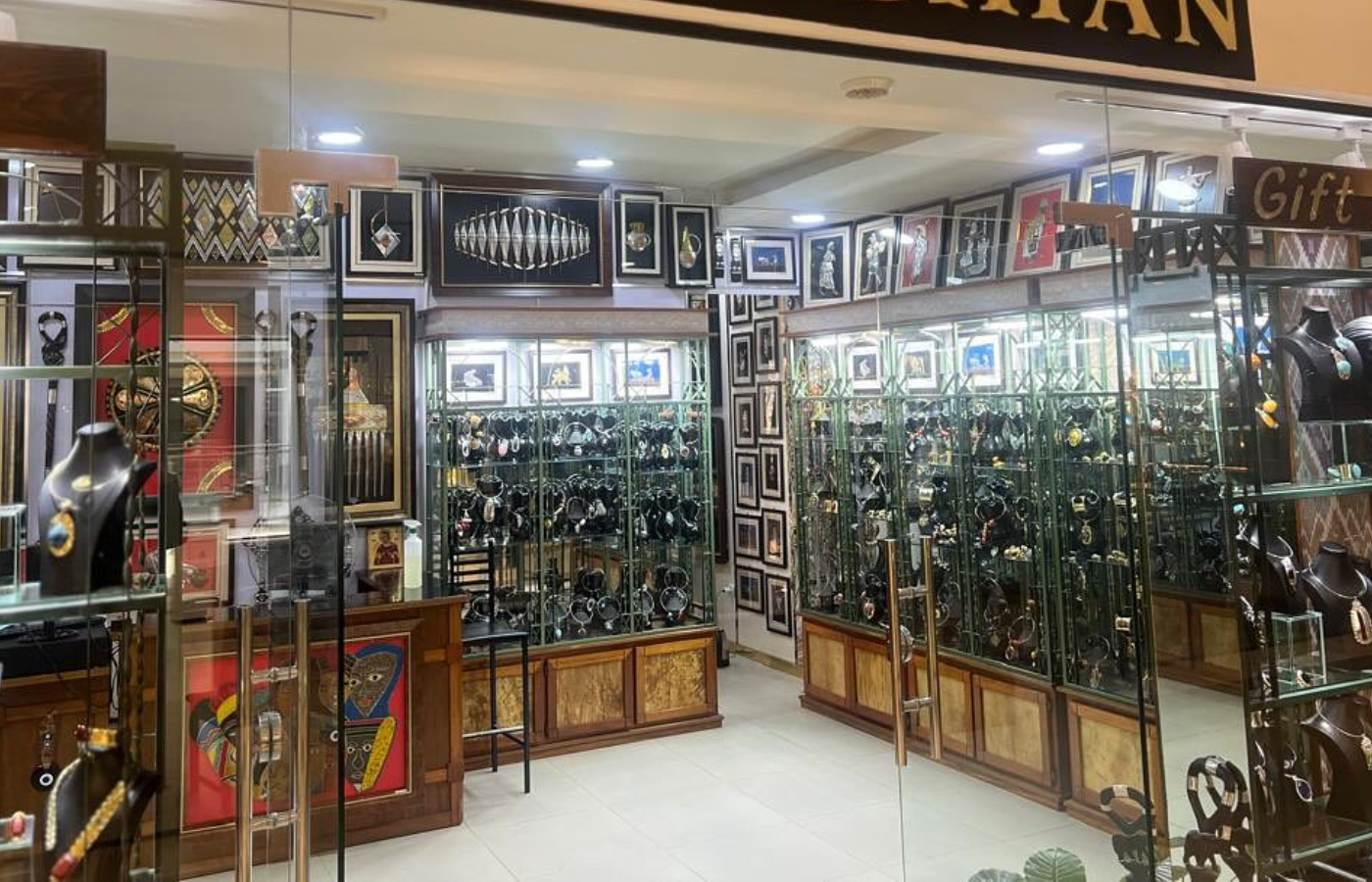
Retail prices, however, continue to vary widely across Addis Ababa. In the Piyassa area near the Adwa Museum, gold trades between 19,000 birr and 23,000 birr per gram. Around 4 Killo, close to the headquarters of Berhanena Selam Printing Press, prices range from 20,000 birr to 22,000 birr. At Ambassador Mall, nearby, gold is sold for as much as 27,000 birr per gram. Dealers cite differences in sourcing, purity standards, and customer profiles for the price gaps.
Broader retail benchmarks suggest firmer pricing than some street-level quotes. International-linked price trackers show 24-karat gold retailing at around 22,900–23,100 birr per gram, while 22-karat gold is quoted at roughly 21,100–21,200 birr per gram. These figures reflect global spot prices above 4,500 US dollars per ounce, converted into birr and adjusted for local premiums.
The National Bank of Ethiopia (NBE) currently purchases 24-karat gold at about 22,880 birr per gram, while 21-karat gold — the standard used by most retailers — is bought at around 19,470 birr per gram. The central bank’s rates apply only to purchases from miners and suppliers and are typically lower than jewellery market prices, which include fabrication costs, taxes, and margins.
In October 2025, Ethiopia’s gold prices had surged nearly 100 percent year-on-year, driven by a global rally that pushed spot gold above 4,300 US dollars per ounce, alongside sharp depreciation of the birr following the country’s shift to a floating exchange rate. At the time, the birr had weakened to around 148 per US dollar, amplifying local price pressures.
Over the past year, both gold prices in birr and the USD/ETB exchange rate have continued to trend upward. The birr has depreciated to around 155–156 per US dollar at official rates, while parallel market rates remain higher. This currency weakness has amplified the impact of rising global gold prices on the domestic market.
While some local outlets now report lower prices, recent international-linked retail data show that gold has risen over the past month, with 24-karat prices climbing from late-December levels to above 22,400 birr per gram in early January. Daily fluctuations remain modest, but the broader direction has remained upward.
An industry expert said Ethiopia’s gold market does not always move in step with global trends.
“In Ethiopia, the birr’s value, local supply, and cash liquidity rarely move in sync,” he said. “Retailers adjust prices based on their own stock, client demand, and currency expectations.”
The recent softening in some local prices has been linked to the NBE’s resumption of foreign exchange auctions, which have improved access to dollars at official rates and eased pressure on the birr.
“With more foreign currency available through official channels, some retailers have less incentive to price gold aggressively as a hedge against currency risk,” the expert said.
The NBE sets daily gold purchasing rates mainly to acquire gold from artisanal miners, commercial producers, and other suppliers. The rates are based on the international spot gold price, adjusted for purity, and converted into birr using the previous day’s average interbank exchange rate.
Before the July 2024 foreign exchange market liberalisation, the central bank added premiums of up to 67 percent to discourage smuggling and attract formal sales. Those premiums were removed after the reform, aligning official prices more closely with market exchange rates.
Despite mixed signals in the retail market, gold remains Ethiopia’s top export earner. In the first quarter of the current fiscal year, gold generated 1.21 billion US dollars, nearly 50 percent of total export revenues, compared with 763 million US dollars from coffee.
Formal gold deliveries have also risen sharply since the FX reform. In the 2024/25 fiscal year, about 37 tonnes were supplied through official channels, generating more than 2.1 billion US dollars in export revenue.
Analysts, however, warn that the mining sector remains narrowly focused on gold, with limited progress on other mineral projects such as potash and copper.
“Ethiopia has been slow to bring other mineral projects online, which would help diversify export earnings,” said Ian Harris, a mining consultant.
Tigray remains Ethiopia’s main hub for gold exploration and commercial mining, with more than 90 licensed operators. Before the conflict, the region supplied about 26 quintals of gold annually to the NBE. Since the outbreak of fighting, a portion of output has reportedly bypassed official channels.
Some international and regional reports allege that armed groups and local power brokers control parts of the illicit gold trade, with smuggling routes running through Sudan to Gulf markets, including the United Arab Emirates.




