

Ethiopia is preparing legal action against university lecturers who fail to honour agreements requiring them to serve their institutions after completing PhD studies funded or supported by the public system.
The Ministry of Education says some academics who benefited from state-backed doctoral training programmes have not fulfilled their contractual obligation to return and serve at their respective universities for a set period.
Officials indicate that the matter is being reviewed with a view to enforcing existing service bond arrangements, which are designed to ensure that public investment in staff development translates into teaching and research capacity within higher education institutions.
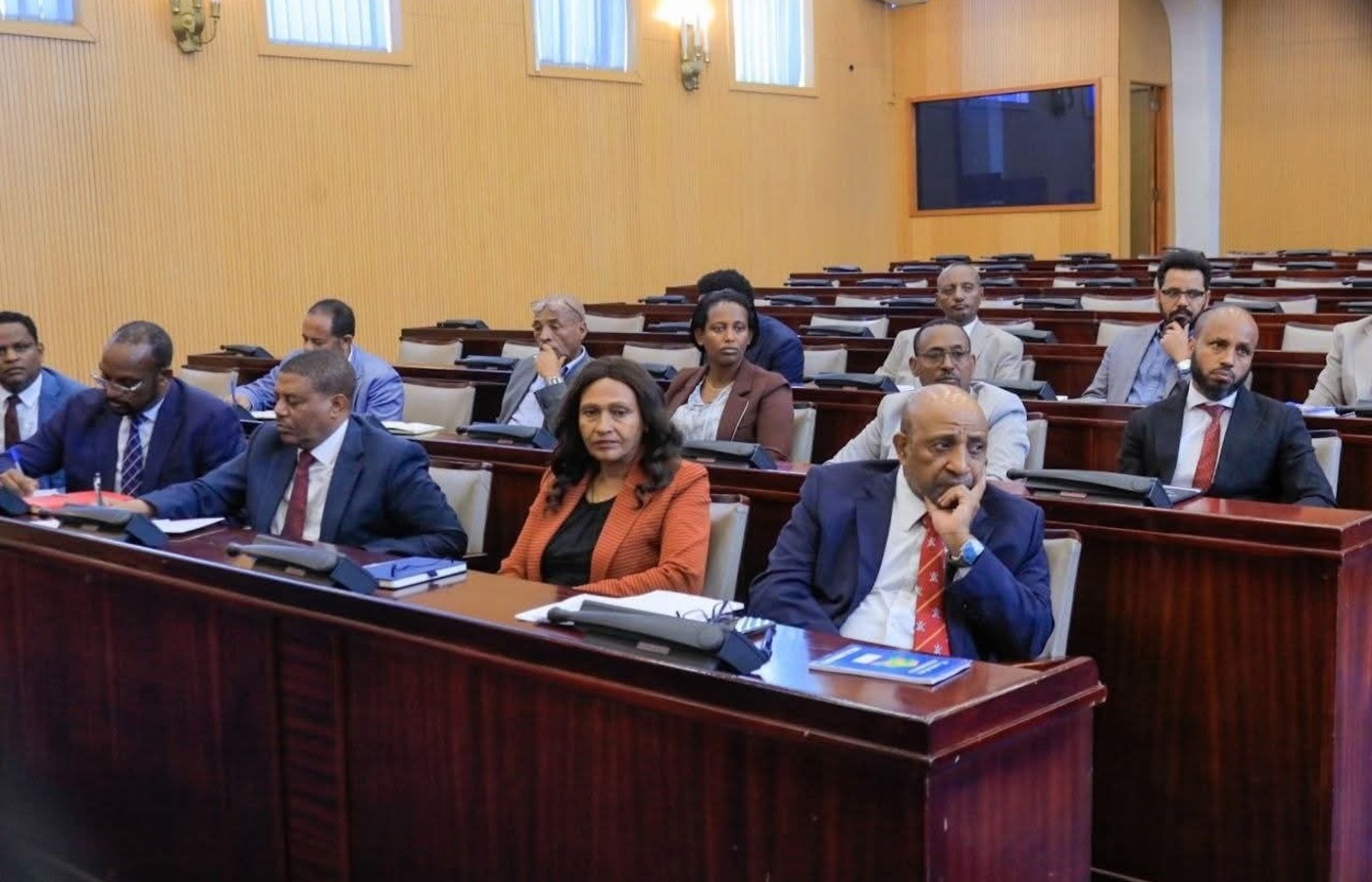
State Minister of Education Kora Tushune told lawmakers during the ministry’s nine-month performance report to the House of the Peoples’ Representatives Standing Committee on Human Resources, Employment and Technology Affairs that the government will take university lecturers who fail to meet post-PhD service obligations to court, as it moves to tighten enforcement of existing training agreements.
He said the measure will be paired with a policy under development aimed at improving incentives for academic staff, with the goal of improving retention in public universities.
He said the initiative is intended to strengthen academic commitment and improve delivery in public universities, where concerns over staff retention and programme efficiency have persisted.
He also pointed to delays in postgraduate education, saying many universities are not completing master’s and PhD programmes within the intended timelines. He noted that master’s degrees, which are expected to take two years, often extend to an average of three years, while PhD programmes designed to take two years can stretch up to six years, according to the ministry’s assessment.
“This is mainly due to inadequate research funding,” he said.
In response, the ministry is revising the costing structure of graduate programmes, as lawmakers have warned that limited financing continues to constrain postgraduate training and research output. It also plans to structure research more thematically across universities, aligned with institutional priorities, with postgraduate programmes to begin only once funding has been secured.
Most lecturers who breach the contract, according to the state minister, are drawn from universities in peripheral regions of Ethiopia, where teachers have reportedly cited limited opportunities to supplement their income compared with those in institutions located in more urban centres.
Academic staff remain among the lowest-paid professionals in the public sector, often contending with rising living costs, limited housing support, and weak career incentives. Even after the government raised the entry-level monthly salary for degree holders from 6,940 birr to 11,500 birr, while the minimum civil service salary increased from 4,760 birr to 6,000 birr for all civil servants last year, many lecturers say the income still falls short of basic living expenses, a strain that has, in some cases, fed into contract breaches, particularly in universities outside major urban centres.
The agreements typically require lecturers who receive sponsorship for advanced studies to remain in service at their home universities after graduation for a period equivalent to the duration of their study.
Megersa Dheresa, a lecturer at a public institution, said the core challenge is not the obligation itself but the widening gap between academic salaries and the cost of living.
“The duration is not the issue if pay were adequate,” he told Birrmetrics.




