

The International Finance Corporation (IFC) has invested 6.9 billion US dollars in development projects in Ethiopia over the past five years, positioning the country as one of its more active frontier markets in Africa as economic reforms begin to open key sectors to private capital.
The IFC, the private sector arm of the World Bank Group, typically commits tens of billions of US dollars globally each year, placing Ethiopia’s share as a significant allocation within its African portfolio.
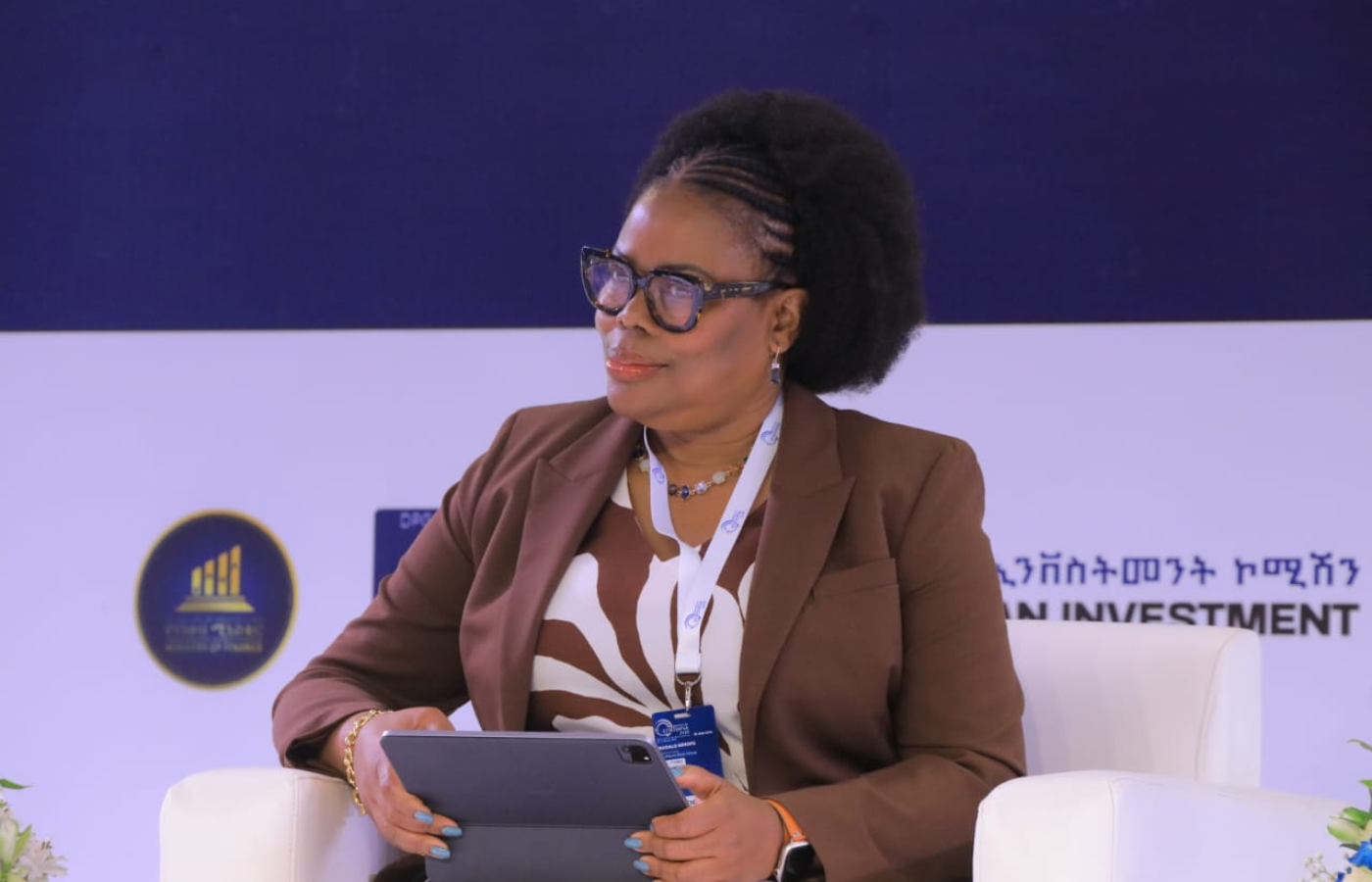
Speaking at the Invest Ethiopia 2026 forum in Addis Ababa, Madalo Minofu, IFC country manager for Ethiopia, Zimbabwe and Malawi, said the scale of investment reflects improvements in the policy and regulatory environment and a growing willingness by authorities to engage the private sector.
“Ethiopia is one of the few governments where you actually hear officials stating they are open to private sector growth and willing to collaborate with us,” Minofu said.
The investment drive comes as Ethiopia gradually liberalises sectors including telecom, logistics and financial services, part of a broader reform agenda supported by institutions such as the International Monetary Fund. The entry of Safaricom Ethiopia following telecom sector liberalisation stands as one of the largest recent foreign investments, signalling a shift in the investment climate.
Minofu said the IFC is increasingly focusing on infrastructure, particularly digital and telecom networks, to support sustainable job creation. The institution is also preparing to expand its investments in renewable energy, an area seen as critical to easing power constraints and supporting industrial growth.
Alongside sector financing, the IFC is deepening engagement with Ethiopia’s financial system. Ethiopis Tefera, the corporation’s Vice President and General Counsel, has recently held discussions with both state-owned and private financial institutions to expand access to finance for small and medium-sized enterprises and support the development of the country's nascent capital market.
Minofu said the IFC is working with financial institutions to broaden lending across sectors, with a focus on SMEs while also supporting larger corporates. “We see the capital market as key to mobilising sufficient local currency financing that these businesses need,” she said.
Access to credit remains constrained in Ethiopia’s bank-dominated financial system, where limited competition continue to weigh on private sector expansion.
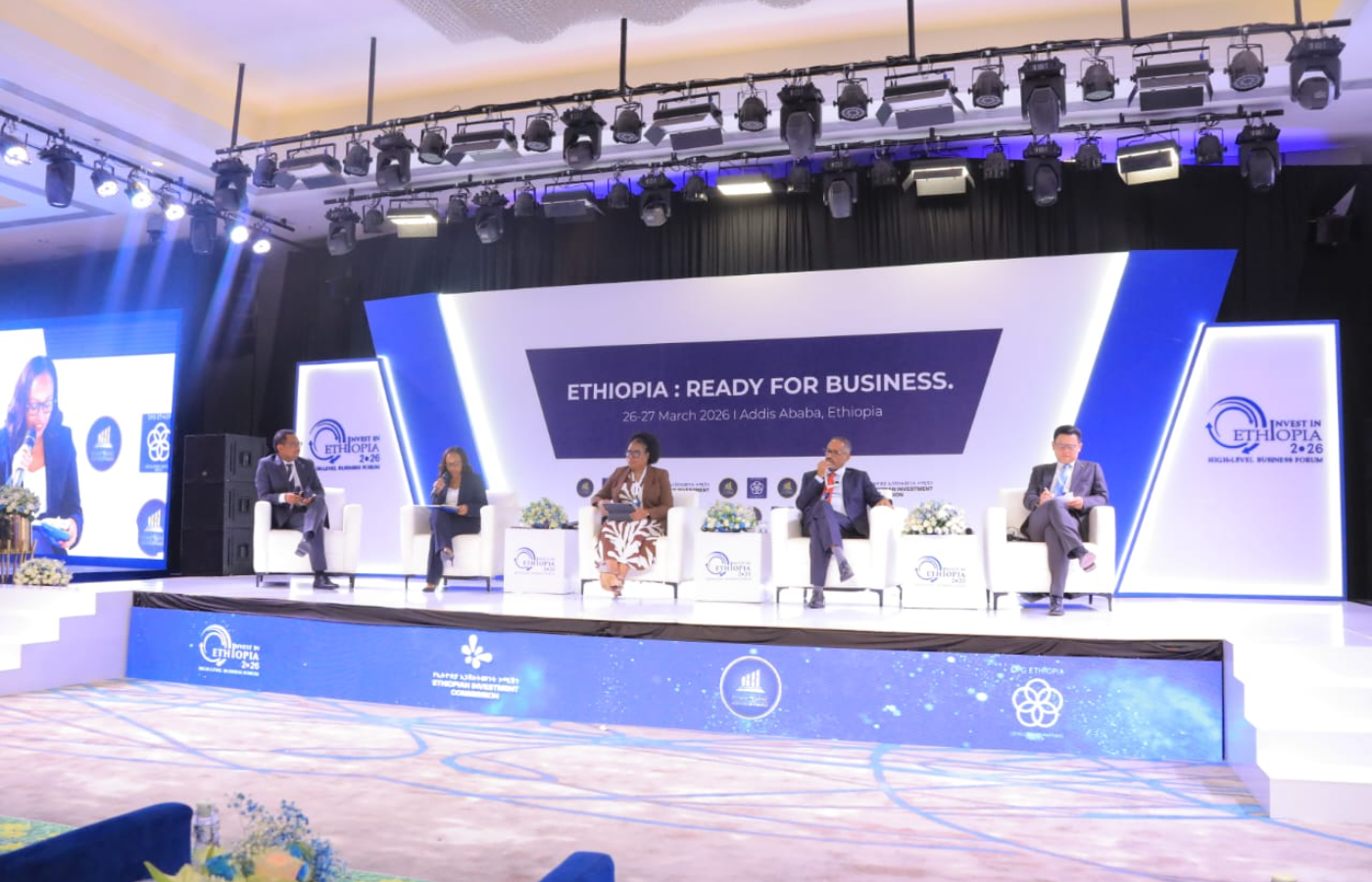
She said this during a panel discussion at the Invest Ethiopia 2026 in Addis Ababa, which examined how ongoing reforms are making the country more attractive to investors, before an audience of more than 800 participants from 76 countries.
Jemal Ahmed, chief executive of MIDROC Investment Group, said the reforms, particularly the liberalisation of the local currency regime, enabled the group to generate last year’s profit within seven months.
Still, investors including Jemal Ahmed say the momentum is not without friction, pointing to visa bottlenecks that continue to complicate operations, especially for those in the hospitality business.




