

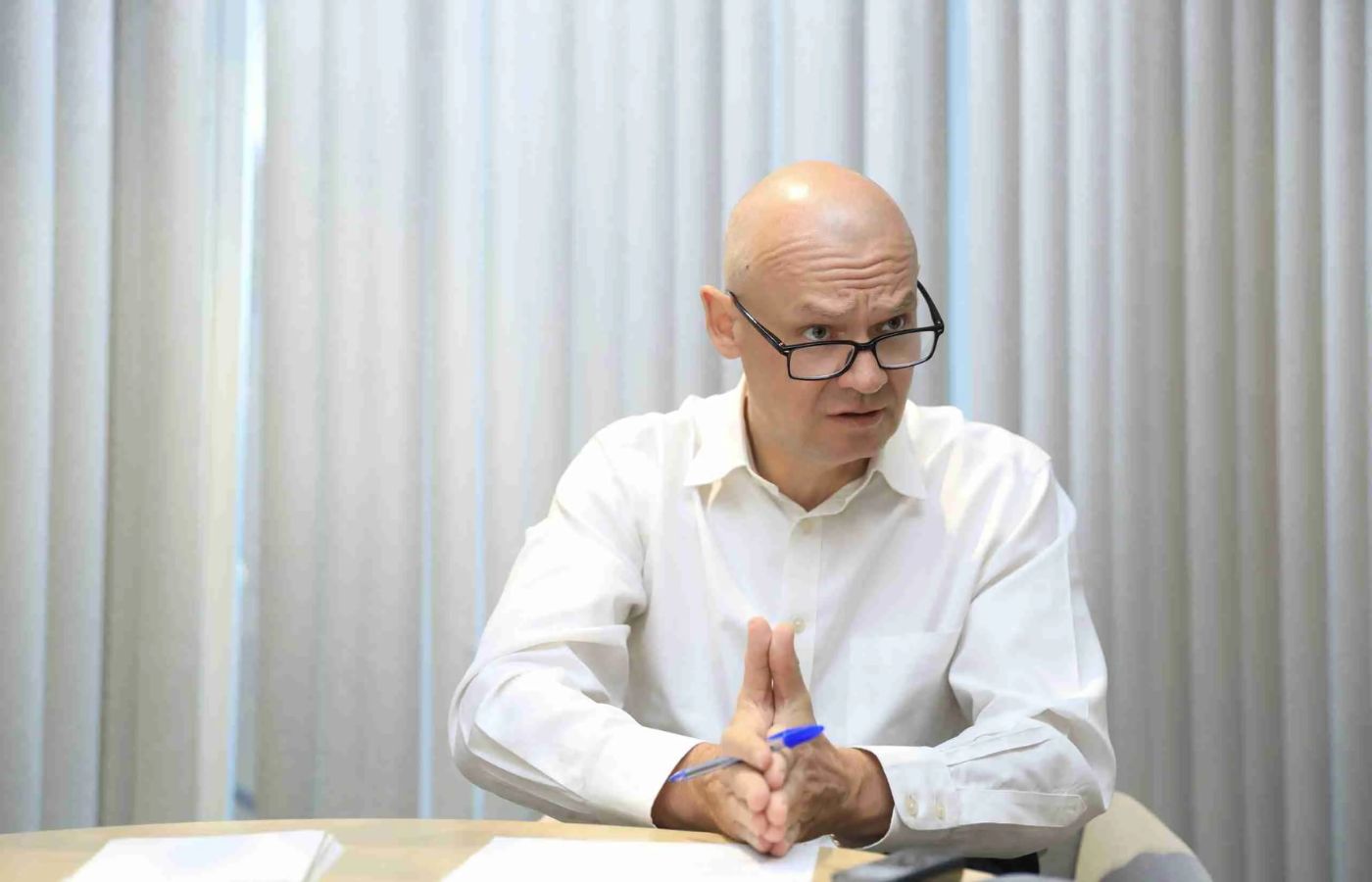
The International Monetary Fund has replaced Tobias Rasmussen with Kyungsuk Lee as its Resident Representative in Ethiopia, marking a change of the Fund’s senior representative in the country as Addis Ababa continues to implement an IMF-backed economic reform programme.
Lee took up the post on August 10, the same day Rasmussen’s tenure ended, Kwabena Akuamoah-Boateng, the IMF’s Senior Communications Officer for Africa, told Birrmetrics. The appointment is part of the IMF’s regular rotation of Resident Representatives, he said.
Lee arrives with experience of one of the central issues in Ethiopia’s reform programme. In July 2025, he co-authored an IMF Selected Issues paper examining why a premium persisted between the official and parallel foreign-exchange markets after the country’s exchange-rate reform.
The paper, prepared by the IMF’s African Department, identified remaining current-account restrictions, a relatively closed capital and financial account, and an underdeveloped financial market with limited hedging instruments as factors contributing to the persistence of the parallel-market premium.
Lee co-authored the study with Bryan Gurhy and Sandhya Rajyam Garimella. It was based on information available as of June 16, 2025, and published by the IMF on July 30 that year.
His appointment therefore places an economist with recent direct exposure to Ethiopia’s foreign-exchange reforms at the centre of the Fund’s engagement with the government as the programme moves into another phase.
Rasmussen’s tenure spanned some of the most consequential economic reforms undertaken by Ethiopia in recent years. He was the IMF’s Resident Representative when the National Bank of Ethiopia shifted to a more market-based foreign-exchange regime in July 2024, a move that formed a central part of the government’s reform programme.
The IMF approved a three-year, SDR 2.556 billion Extended Credit Facility arrangement for Ethiopia in July 2024. The programme supports reforms covering the exchange-rate system, monetary policy, foreign-exchange market and financial sector.
Rasmussen also served as a key public interlocutor on the programme, commenting on foreign-exchange market developments, monetary policy and efforts to rebuild international reserves.
The change comes as Ethiopia seeks to consolidate the reforms introduced since 2024 while addressing persistent weaknesses in its foreign-exchange market and financial system.




