

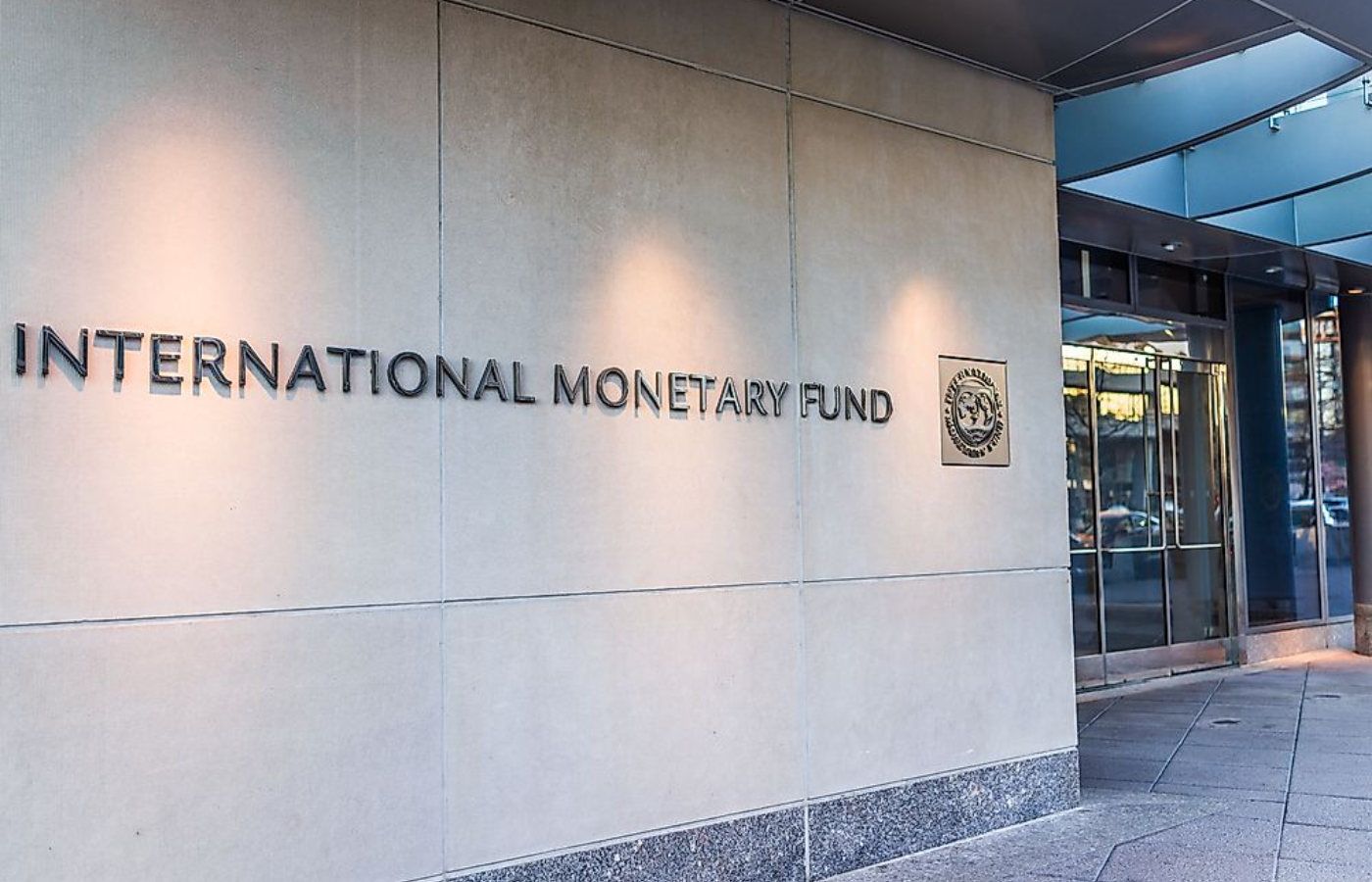
Ethiopia is losing a substantial share of its potential revenue due to wide-ranging and poorly targeted tax exemptions, according to a new report by the International Monetary Fund (IMF) that warns of growing fiscal risks from tax incentives across Sub-Saharan Africa.
The IMF’s Tax Expenditures in Sub-Saharan Africa report, released on Wednesday, found that tax breaks such as exemptions, deductions, and preferential rates are costing African governments between 0.1 percent and nearly 13 percent of gross domestic product in forgone revenue. Ethiopia is listed among countries with the widest gaps between potential and actual tax collection, largely attributed to extensive incentive schemes and limited transparency.
The report notes that many African governments, including Ethiopia, continue to grant investment incentives and sector-specific exemptions without clear performance reviews or public disclosure. Such measures, while intended to attract investment or support key industries, have “persisted well beyond their intended duration” and are now undermining fiscal recovery efforts.
Ethiopia’s tax gap exceeds five percentage points of GDP, one of the largest in the region, according to IMF data drawn from the World Revenue Longitudinal Database. The Fund said this shortfall reflects both policy design flaws and weak administrative capacity in monitoring and evaluating tax expenditures.
The warning comes amid a global funding squeeze and declining aid flows, which have intensified fiscal pressures in Sub-Saharan Africa. Interest rate spreads have risen sharply, grant support has declined faster than in other regions, and Official Development Assistance is projected to drop 9–17 percent in 2025, translating into a 4.2 billion US dollars loss for the region. Compounding the challenge, trade volatility, slower capital inflows, and commodity price swings have increased debt burdens and constrained fiscal space, forcing countries to rely more heavily on domestic borrowing.
The report highlights that roughly one-third of Sub-Saharan African countries have no published estimates of revenue forgone through tax incentives. Among those that do, about half have yet to integrate such data into national budget processes, limiting transparency and accountability.
The IMF urged governments to institutionalise tax expenditure reporting, establish benchmark systems to evaluate the cost of incentives, and publish annual expenditure reviews. It cited South Africa, Senegal, and Benin as examples of countries that have made progress in routinely disclosing the fiscal impact of their tax incentives.
“Reining in untargeted tax breaks could help broaden the tax base, strengthen fiscal discipline, and create more space for pro-poor spending,” the report said.




