

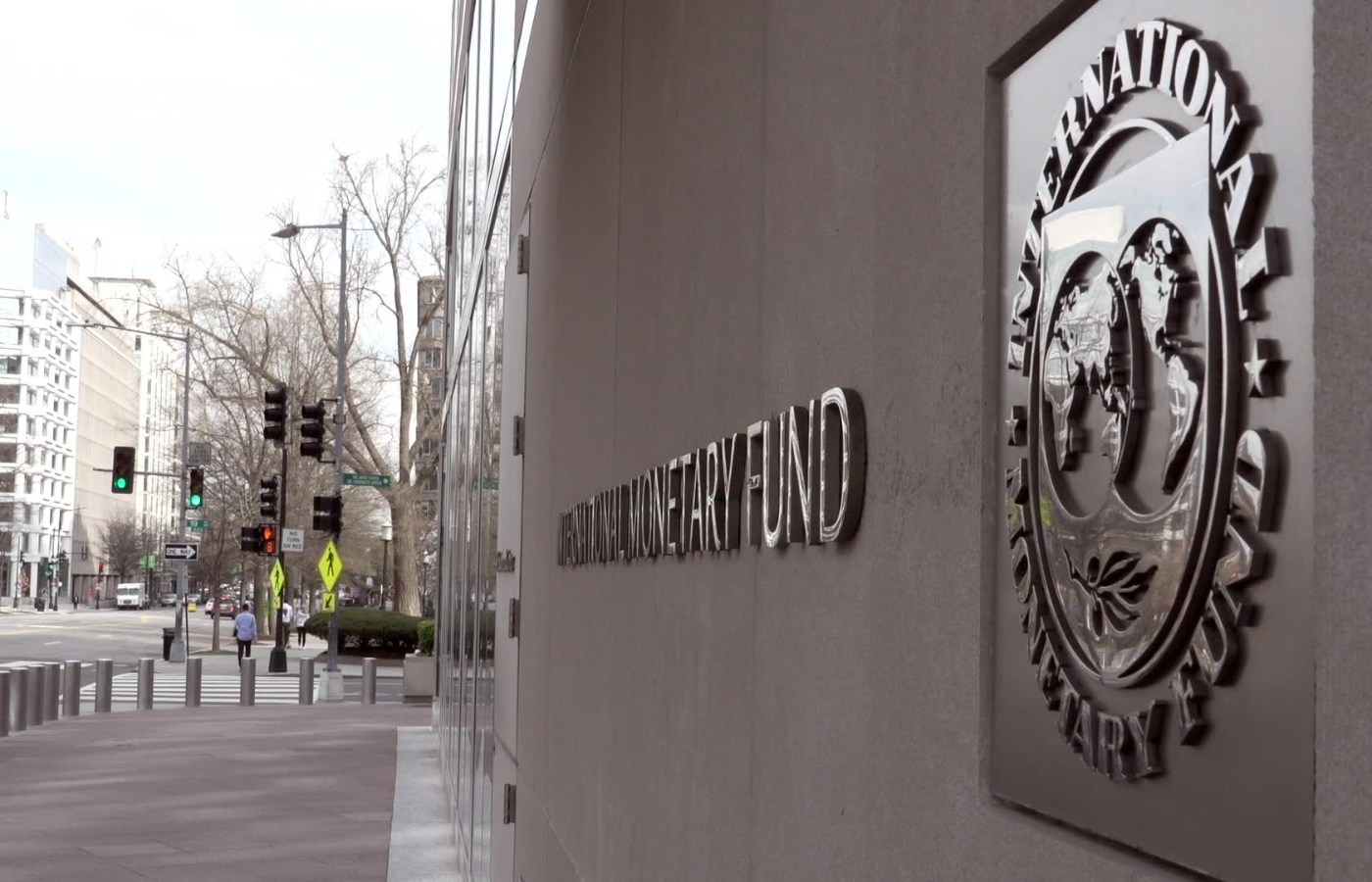
The International Monetary Fund projects Ethiopia’s economy will expand by 7.2 percent in 2025, placing the country among sub-Saharan Africa’s fastest-growing economies. Growth is expected to ease slightly to 7.1 percent in 2026. Ethiopia shares the top position in 2025 with Guinea, followed by Rwanda at 7.1 percent and Benin at 7 percent. South Sudan stands out with a projected 24.3 percent expansion, driven by its oil sector.
The IMF highlighted the importance of fiscal reforms and effective debt management in supporting Ethiopia’s growth. Abebe Aemro Selassie, Director of the IMF’s African Department, said stronger revenue mobilisation and improved debt policies are key to sustaining momentum and building resilience amid regional fiscal pressures.
Across sub-Saharan Africa, growth is projected to hold at 4.1 percent this year, rising modestly to 4.4 percent in 2026. While fast-growing economies such as Ethiopia, Rwanda, Côte d’Ivoire, and Uganda demonstrate resilience, resource-dependent and conflict-affected states continue to face persistent challenges, with limited gains in income per person. Commodity price volatility, high borrowing costs, and declining foreign aid are putting additional strain on government budgets and policy space.
Domestically, Ethiopia’s economy expanded by 8.8 percent in the previous fiscal year, supported by strong performances in industry, agriculture, mining, and construction, President Taye Atske Selassie told members of the House of Peoples’ Representatives early in October. The government has set a target of nine percent growth for the coming year.
Two weeks later, Prime Minister Abiy Ahmed outlined a long-term vision for Ethiopia, projecting the country to become Africa’s second-largest economy by 2032 and the continent’s leading economy by 2036. He highlighted a recent debt restructuring, noting that 4 to 5 billion US dollars had been renegotiated through extensive creditor negotiations.
Fiscal discipline remains a top priority. The Prime Minister highlighted that the government has not taken out a single short-term loan since coming to power. “We currently have no problem paying our debt,” he said, adding that discussions with creditors, particularly Eurobond holders, are ongoing, with Ethiopia’s rapid growth providing confidence in its repayment capacity.




